
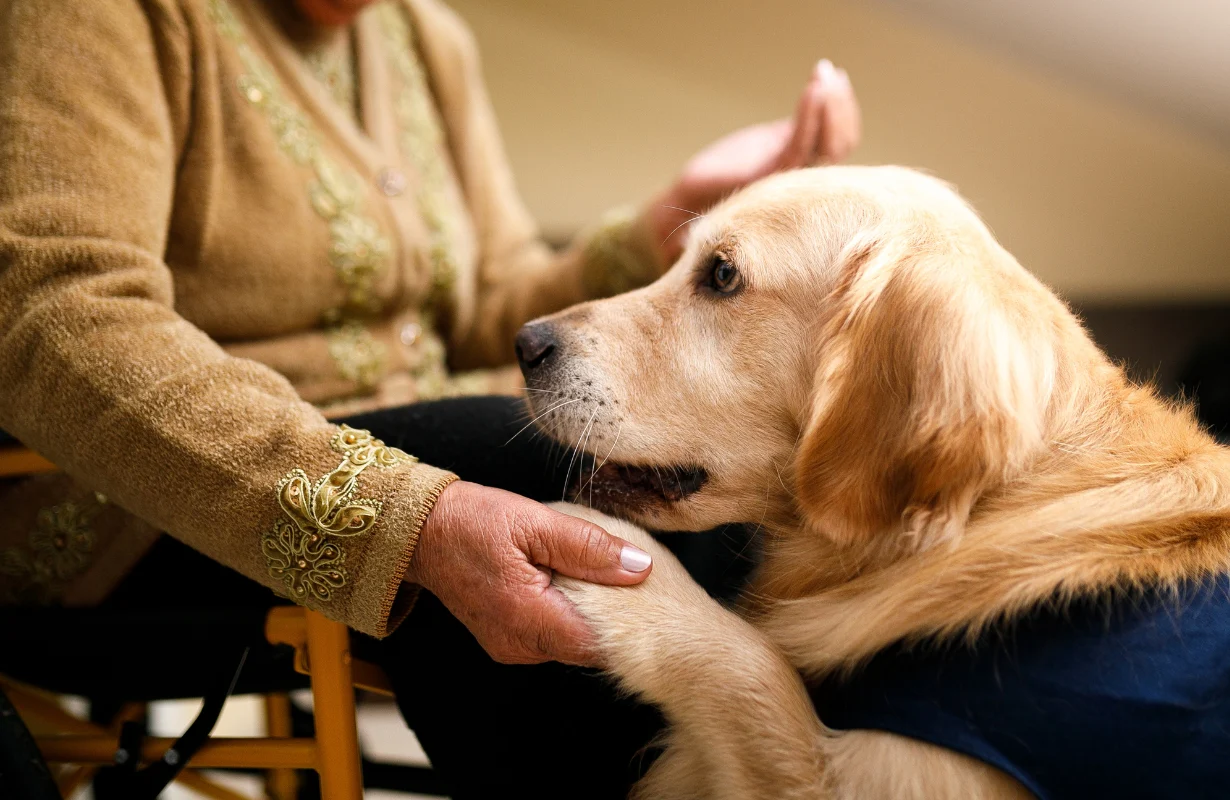
As our beloved dogs grow older, their needs begin to change—often subtly at first, and then more noticeably as time goes on. Senior dog care isn’t just about addressing age-related health issues; it’s about enhancing your dog’s quality of life, ensuring comfort, and nurturing the deep bond you’ve built over the years. Whether your dog is entering their golden years or already well into them, understanding how to properly support an aging pet can make their life richer, calmer, and healthier.
- When Is a Dog Considered a Senior?
- Common Signs of Aging in Dogs
- The Importance of Proper Senior Dog Nutrition
- Exercise for Senior Dogs: Keeping Them Mobile and Happy
- Routine Veterinary Care for Senior Dogs
- Managing Pain in Senior Dogs
- Creating a Comfortable Home Environment
- Mental and Emotional Well-Being in Senior Dogs
- Grooming and Hygiene for Senior Dogs
- End-of-Life Care: Supporting Your Dog with Love and Dignity
- Conclusion: Loving Your Senior Dog Through Every Stage
In this comprehensive guide, we’ll explore everything you need to know about caring for a senior dog: from nutrition and exercise to mental health and veterinarian care.
When Is a Dog Considered a Senior?
A dog is generally considered “senior” around the age of 7, though this varies by breed and size. Small breeds often live longer and may not reach senior status until about 10–12 years, while large and giant breeds may be considered seniors as early as 5–6 years.
Recognizing this change in life stage is the first step in providing appropriate elderly dog care. During these years, your dog’s metabolism slows, joints may stiffen, and senses can weaken. Being proactive helps you prevent discomfort and detect health issues early.
Common Signs of Aging in Dogs
Not all dogs show the same aging symptoms, but common signs include:
✔ Slower movement or stiffness
Arthritis or general joint wear and tear can make your senior dog move more carefully.
✔ Cloudy eyes or decreased vision
Age-related eye conditions like cataracts may develop.
✔ Hearing loss
If your dog doesn’t respond to commands as quickly, their hearing may be diminishing.
✔ Changes in appetite or weight
Senior dog nutrition needs often shift due to metabolic and dental changes.
✔ Increased thirst or urination
This can indicate diabetes, kidney issues, or hormonal imbalances.
✔ Behavioral changes
Confusion, anxiety, or restlessness may appear—sometimes symptoms of canine cognitive dysfunction.
Understanding these signs helps you adapt your senior dog care routine and address problems before they escalate.
The Importance of Proper Senior Dog Nutrition

Diet is one of the biggest factors in supporting your dog’s health as they age. A proper senior dog diet can:
- Maintain a healthy weight
- Support joint and bone health
- Improve digestion
- Enhance energy levels
- Support brain function
Essential Nutritional Needs for Senior Dog Care
1. High-quality protein
Older dogs need adequate protein to maintain muscle mass, despite outdated myths that seniors require low-protein diets.
2. Joint-supporting nutrients
Look for foods containing glucosamine, chondroitin, and omega-3 fatty acids.
3. Easy-to-digest ingredients
Senior dogs often benefit from foods with gentle grains like rice or oats, or easily digestible proteins.
4. Added antioxidants
These help support immune health and cognitive function.
5. Controlled calories
Many senior dogs become less active, so weight management becomes essential.
If your dog has medical conditions such as kidney disease or diabetes, your veterinarian may recommend a specialized diet. Always consult a vet before making significant diet changes.
Exercise for Senior Dogs: Keeping Them Mobile and Happy
While your aging dog may not run like they used to, senior dog exercise is essential to maintain mobility, prevent obesity, and support mental well-being. The key is to adjust the intensity and duration to match your dog’s comfort level.
Best Types of Exercise for Senior Dogs
Gentle Walks
Shorter, more frequent walks are perfect for joint health and mental stimulation.
Swimming
This is a low-impact exercise great for arthritis or joint pain.
Puzzle toys and mental games
Brain-stimulating activities help reduce cognitive decline.
Short play sessions
Fetch, soft toys, or gentle tug-of-war can still be enjoyable.
Signs Your Senior Dog Is Overexerted
- Excessive panting
- Lagging behind
- Limping
- Sudden fatigue
Always monitor your dog closely and give them plenty of breaks. Senior dog care means balancing activity with comfort.
Routine Veterinary Care for Senior Dogs
Senior dogs typically need more frequent vet visits, ideally every six months. Early detection can add years of comfort to your dog’s life.
Essential Veterinary Checks
✔ Bloodwork to detect early signs of disease
✔ Dental exams (dental disease is common in older dogs)
✔ Weight checks
✔ Joint and mobility assessments
✔ Heart and lung evaluations
✔ Screening for tumors or lumps
Senior dogs are more likely to develop conditions such as kidney disease, arthritis, diabetes, heart disease, and thyroid imbalances. Regular vet care is the backbone of elderly dog health maintenance.
Managing Pain in Senior Dogs
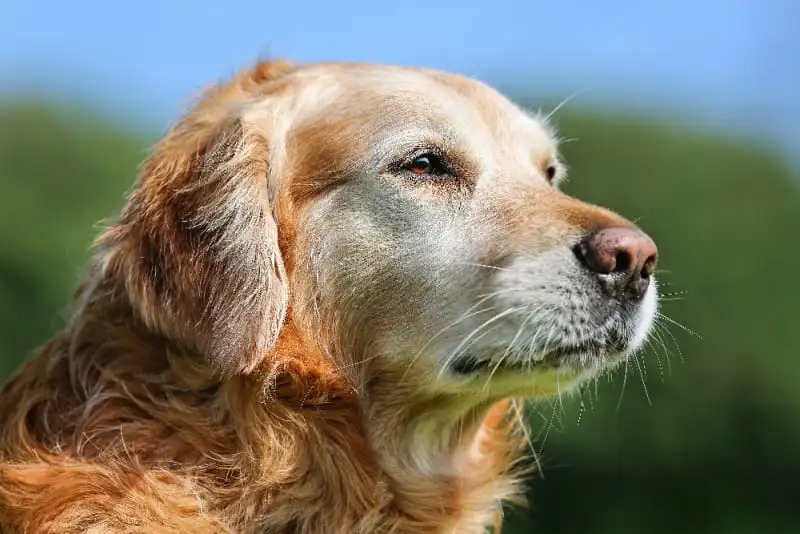
Pain in dogs often goes unnoticed because dogs instinctively hide weakness. But untreated pain can severely impact their quality of life.
Common Signs of Pain in Older Dogs
- Limping or slow movements
- Difficulty standing up
- Refusing to climb stairs
- Whimpering or irritability
- Restlessness
Pain Management Options
- Vet-prescribed pain medications
- Anti-inflammatory treatments
- Supplements (glucosamine, fish oil, MSM)
- Physical therapy
- Acupuncture or cold-laser therapy
Orthopedic dog beds
Always consult a vet before giving your dog any medication.
Creating a Comfortable Home Environment
Your senior dog may need adjustments around the home to stay comfortable and prevent accidents.
Helpful Modifications Include:
- Orthopedic or memory-foam beds for pressure relief
- Non-slip rugs to prevent slipping
- Ramps or steps for climbing onto couches or cars
- Warm sleeping areas, as seniors are more sensitive to cold
- Elevated food bowls for easier eating
These simple changes can significantly improve your senior dog’s comfort.
Mental and Emotional Well-Being in Senior Dogs
Older dogs can experience cognitive decline, similar to dementia in humans—known as Canine Cognitive Dysfunction (CCD).
Signs of Cognitive Decline
- Disorientation
- Increased nighttime waking
- Forgetting trained behaviors
- Pacing or staring at walls
- Anxiety or restlessness
Supporting Mental Health
- Daily interactive play
- New but gentle activities
- Regular schedules and routines
- Comfort and reassurance
- Brain-boosting foods and supplements
Your presence and affection are more important to your aging dog than ever.
Grooming and Hygiene for Senior Dogs
As dogs age, grooming becomes essential for monitoring health changes.
Senior Dog Grooming Tips
- Brush regularly to spot lumps, bumps, or skin changes.
- Trim nails more often (older dogs walk less, so nails grow longer).
- Keep the coat clean to avoid mats and skin irritation.
- Monitor ears for infections.
- Maintain dental hygiene—brush teeth or use vet-approved chews.
Good grooming promotes both hygiene and bonding.
End-of-Life Care: Supporting Your Dog with Love and Dignity
Although difficult to think about, preparing for your dog’s later stages ensures they experience comfort, love, and dignity.
Options for Compassionate Care
- Palliative care
- Pain management
- Quality-of-life assessments
- In-home euthanasia if needed
Discussing these options with your vet can help you make informed and compassionate decisions.
Conclusion: Loving Your Senior Dog Through Every Stage
Caring for a senior dog is both a responsibility and a privilege. These gentle souls have given us years of loyalty, joy, and companionship—and they depend on us to help them navigate their golden years with comfort and grace. With the right senior dog care, including proper nutrition, exercise, vet checkups, mental stimulation, and a safe home environment, your older dog can continue to live a happy, fulfilling life.
For more tips on dog care and gear, check out:
- The Ultimate Guide to Dog Collars
- Best Dog Collars for Different Breeds and Sizes
- Top 10 Smart Dog Collars in 2025
- How to Clean Dog Collars
- How to Keep Dogs Warm in Winter
Every dog deserves the best chapter in their final years, and with patience, love, and understanding, you can make those years some of their most meaningful.
Last Updated on December 2, 2025 by furryadminblog
