
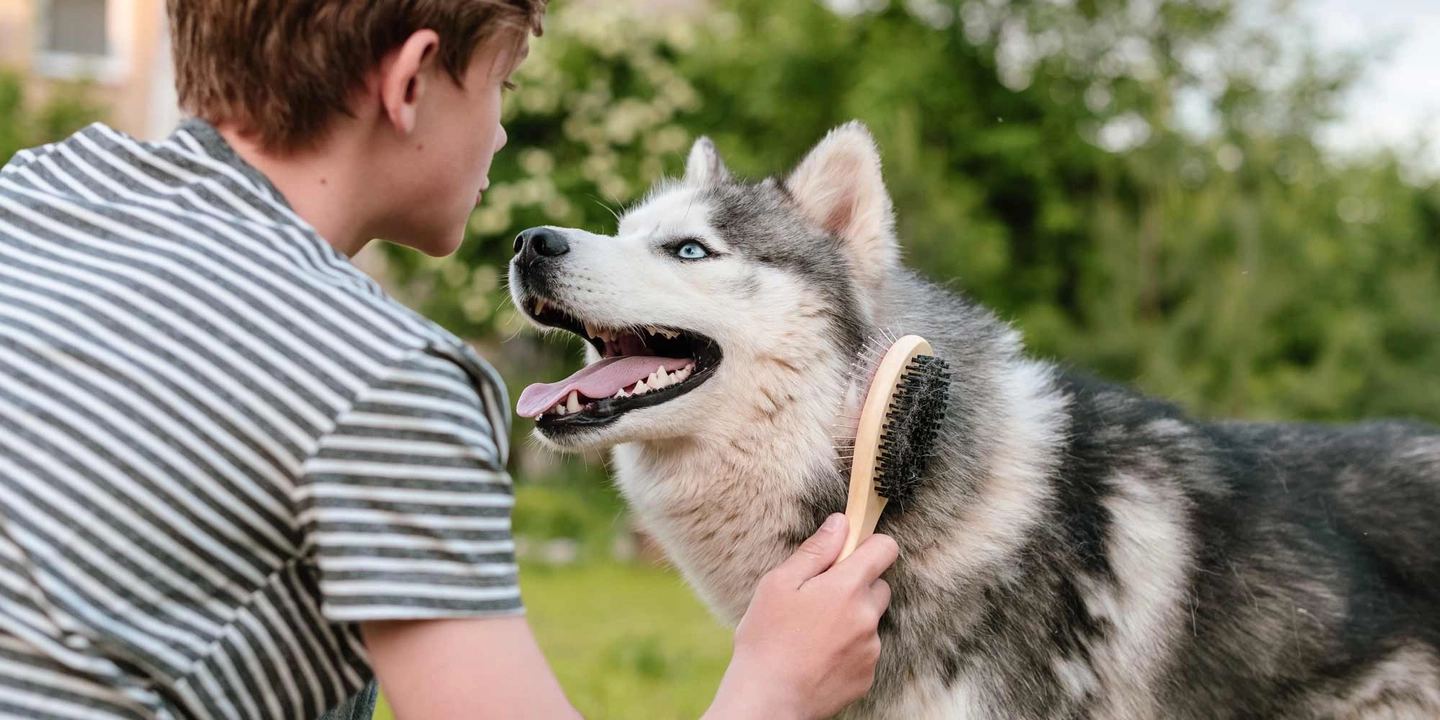
Dog hair on your sofa. Dog hair on your clothes. Dog hair somehow even on clean laundry.
If you’re a dog parent, this scene probably feels very familiar.
Shedding is one of the most common (and frustrating) challenges dog owners face. Many people search endlessly for how to control dog shedding, hoping for a magic solution that makes loose hair disappear overnight. While there’s no way to stop shedding completely, the good news is this: you can reduce it significantly with the right approach.
In this in-depth guide, we’ll walk through why dogs shed, what’s normal vs. excessive, and proven, expert-backed methods on how to stop dog shedding, improve coat health, and keep your home cleaner—without stress or guesswork.
Why Do Dogs Shed? Understanding the Basics
Before diving into dog shedding control tips, it’s important to understand why shedding happens in the first place.
Shedding is part of a dog’s natural hair growth cycle. Old or damaged hair falls out to make room for new growth. However, the amount of shedding varies widely depending on several factors.
Common Reasons Dogs Shed
- Natural hair growth cycle
- Seasonal changes (spring and fall shedding)
- Breed genetics
- Poor diet or nutritional deficiencies
- Dry skin or allergies
- Stress or anxiety
- Parasites or underlying health issues
Some shedding is healthy and unavoidable. The goal isn’t to eliminate shedding—it’s to control dog shedding so it stays at a manageable, healthy level.
Dog Breeds and Shedding: What to Expect
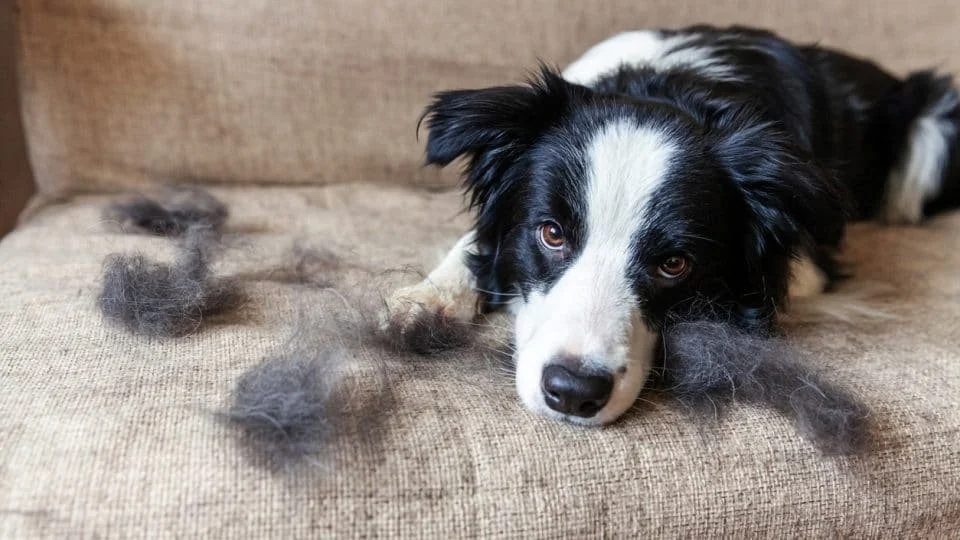
Not all dogs shed the same way. Coat type plays a huge role in how much hair ends up around your home.
Shedding Levels by Coat Type
| Coat Type | Examples | Shedding Level |
| Double-coated | Husky, Labrador, German Shepherd | High |
| Long-coated | Golden Retriever, Shih Tzu | Moderate to High |
| Short-coated | Pug, Beagle, Boxer | Moderate |
| Low-shedding | Poodle, Maltese | Low |
If you love fluffy dogs, shedding often comes with the territory. You may enjoy exploring breeds in this guide:
👉 Top 10 Fluffy Small Dog Breeds That Look Like Teddy Bears
How to Control Dog Shedding with Proper Grooming
1. Brushing: Your First Line of Defense
Regular brushing is one of the most effective dog shedding solutions available—and it costs almost nothing.
Brushing removes loose hair before it falls onto your furniture and spreads natural oils across the coat, keeping skin healthy.
How Often Should You Brush?
- Short coats: 2–3 times per week
- Medium to long coats: Daily
- Double coats: Daily during shedding seasons
Choose the Right Brush
- Slicker brush → Long or curly coats
- Deshedding tool → Double-coated breeds
- Rubber brush → Short-haired dogs
Consistency matters more than intensity. Gentle, regular brushing works better than aggressive sessions once in a while.
2. Bathing the Right Way (Not Too Much!)
Bathing helps loosen dead hair, but overbathing is a common mistake that actually increases shedding.
Best Bathing Practices
- Bathe every 3–4 weeks (unless vet recommends otherwise)
- Use mild, dog-specific shampoos
- Avoid human shampoos—they dry the skin
Look for shampoos with:
- Oatmeal
- Aloe vera
- Coconut oil
After bathing, brush your dog once dry to remove loosened hair.
How to Reduce Dog Shedding Through Nutrition
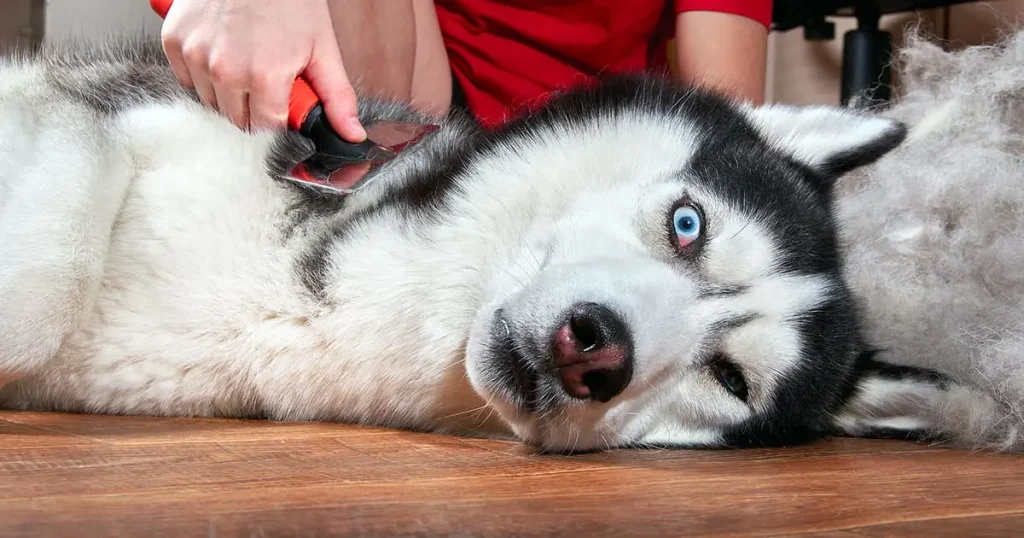
If grooming helps from the outside, nutrition fixes shedding from the inside. Many people overlook diet when searching for ways to stop dog shedding.
Key Nutrients for a Healthy Coat
- Omega-3 & Omega-6 fatty acids – reduce dryness and inflammation
- High-quality protein – supports hair growth
- Biotin and zinc – strengthen hair follicles
- Vitamin E – improves skin health
Foods That Support Coat Health
- Salmon or fish oil supplements
- Eggs (cooked)
- Sweet potatoes
- Flaxseed oil (vet-approved amounts)
Low-quality food with fillers often leads to dull coats and excessive hair fall. Upgrading food is one of the most impactful dog shedding control tips.
Hydration and Skin Health: A Hidden Factor
Dry skin sheds more. It’s that simple.
How to Keep Your Dog’s Skin Hydrated
- Always provide clean, fresh water
- Add wet food occasionally
- Use a humidifier in dry climates
- Avoid overly hot baths
Healthy skin holds hair better, naturally reducing shedding.
When Shedding Signals a Health Issue
Sometimes, excessive shedding isn’t normal—it’s a sign something else is going on.
Possible Medical Causes
- Allergies (food or environmental)
- Hormonal imbalances (thyroid issues)
- Fleas, ticks, or mites
- Bacterial or fungal skin infections
Red Flags to Watch For
- Bald patches
- Red or inflamed skin
- Constant scratching or licking
- Sudden increase in hair loss
If you notice these signs, consult a veterinarian promptly.
Stress and Anxiety: Emotional Triggers for Shedding
Dogs shed emotionally too. Stress triggers hormonal changes that can cause hair fall.
Common Stress Triggers
- Moving homes
- Loud noises (fireworks, construction)
- Lack of routine
- Separation anxiety
Dog Shedding Control Tips for Stress
- Maintain a consistent routine
- Provide daily exercise
- Use enrichment toys
- Create a calm resting space
A relaxed dog sheds less—it’s that simple.
Managing Dog Hair at Home (Realistic Solutions)
Even with excellent care, some shedding will still happen. The key is managing it smartly.
Practical Home Tips
- Use washable couch covers
- Vacuum regularly with pet-hair tools
- Wash dog bedding weekly
- Keep lint rollers handy
If you live in a smaller space, this guide may help:
👉 Best Fluffy Small Dog Breeds for Apartments & City Living
Benefits of Controlling Dog Shedding
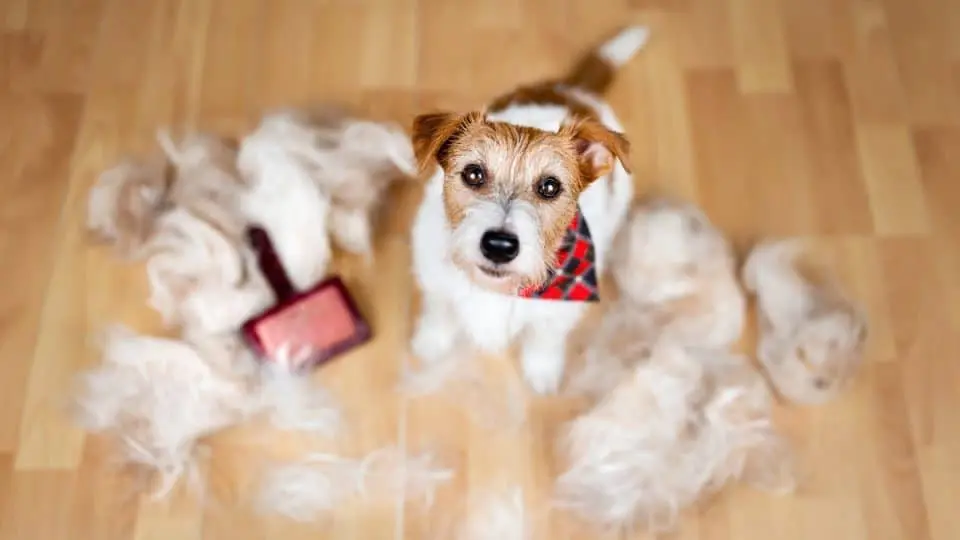
When you apply the right dog shedding solutions, the benefits go beyond a cleaner home.
Key Benefits
- Healthier, shinier coat
- Reduced skin irritation
- Less hair on clothes and furniture
- Improved bonding through grooming
- Early detection of skin problems
A well-maintained coat is a strong indicator of overall health.
Common Mistakes That Make Dog Shedding Worse
Avoid these frequent errors:
- Overbathing your dog
- Skipping regular brushing
- Using harsh shampoos
- Ignoring diet quality
- Assuming excessive shedding is “normal”
Small mistakes repeated over time lead to big shedding problems.
FAQ: Dog Shedding Control
Final Conclusion: How to Control Dog Shedding the Right Way
Understanding how to control dog shedding isn’t about chasing quick fixes. It’s about building healthy habits—proper grooming, good nutrition, stress management, and attentive care.
When you support your dog’s overall well-being, shedding naturally reduces, coats become shinier, and your bond grows stronger. A little consistency goes a long way—for both you and your furry companion.
Healthy dog, healthier coat, happier home.
Last Updated on January 29, 2026 by furryadminblog
