
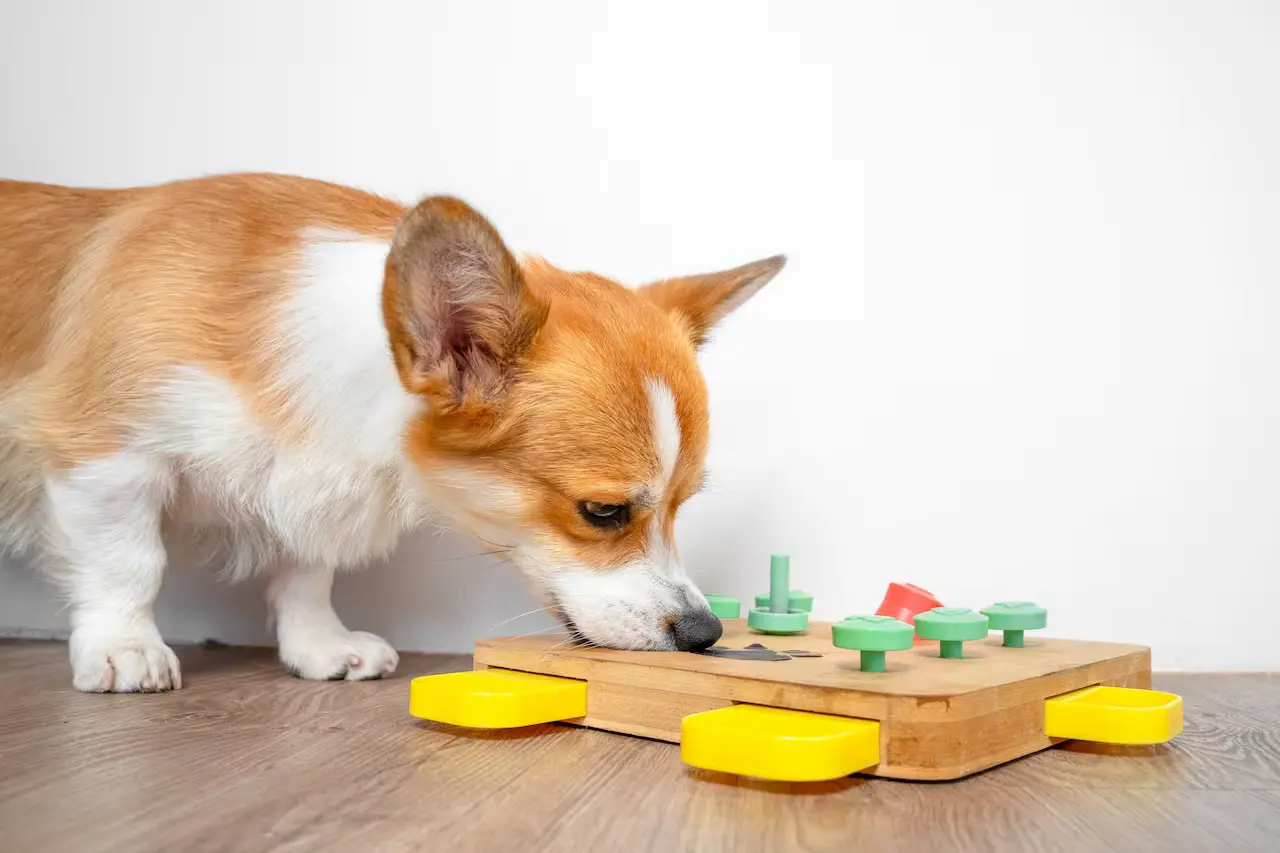
Why Mental Health Matters for Dogs
We often focus on our dog’s physical health—balanced meals, daily walks, regular vet visits. But what about their mental health? Just like humans, dogs experience boredom, anxiety, frustration, and even depression. When their minds aren’t stimulated, their behavior changes. They chew shoes, bark excessively, dig holes, or withdraw completely. These are not “bad dog” habits. They’re signs of an under-stimulated brain asking for engagement.
- Why Mental Health Matters for Dogs
- Understanding Canine Mental Health
- How Does Brain Training Improve Your Dog's Mental Health?
- Brain Training for Dogs: Core Techniques
- How to Keep Dogs Mentally Stimulated Every Day
- Dog Training Tips for Smart Dogs
- Common Mistakes in Brain Training
- When to Seek Professional Help
- Conclusion: How Does Brain Training Improve Your Dog's Mental Health?
- FAQs
Here’s the truth: physical exercise alone is not enough. A one-hour walk doesn’t replace mental engagement. Imagine running on a treadmill every day but never reading a book, solving a problem, or having a conversation. You’d feel restless too. Dogs are intelligent creatures. Many breeds were developed to herd, guard, hunt, or rescue. When we bring them into modern homes, their instinctual drive doesn’t disappear—it just waits for an outlet.
That’s where brain training for dogs becomes powerful. Mental workouts can tire a dog faster than physical exercise. Ten minutes of focused training can equal thirty minutes of walking in terms of mental fatigue. And the benefits go far beyond simple obedience.
In this guide, we’ll break down how does brain training improve your dog’s mental health, what methods work best for beginners, and practical ways to keep dogs mentally stimulated every single day. Whether you have a playful puppy or a senior companion, the right mental exercises can transform behavior, boost happiness, and deepen your bond.
Let’s explore what’s happening inside your dog’s mind—and how you can nurture it.
Understanding Canine Mental Health
When we talk about mental health in dogs, we’re referring to their emotional balance, cognitive sharpness, and behavioral stability. Dogs think, learn, remember, and solve problems. Their brains are wired for stimulation. Without it, they don’t just get bored—they become mentally unhealthy.
A mentally healthy dog is curious but calm. Alert but not anxious. Playful but not destructive. Achieving that balance requires intentional mental engagement.
What Is Mental Stimulation for Dogs?
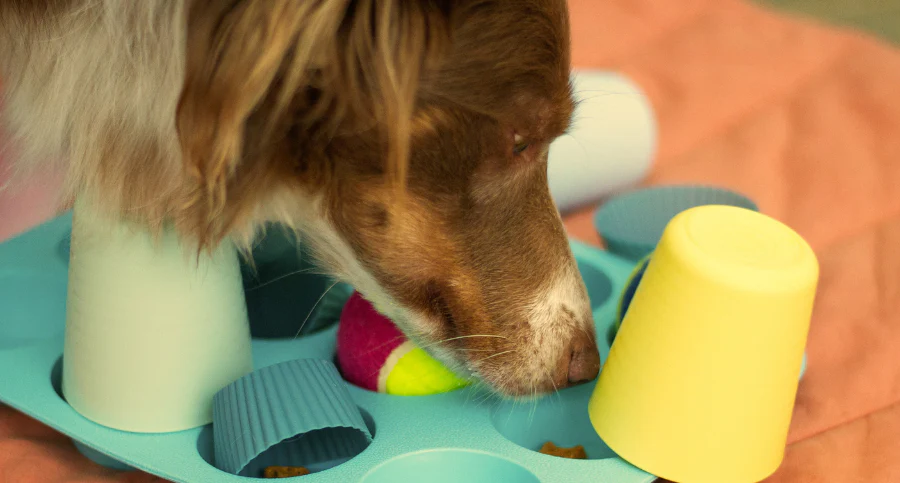
Mental stimulation is any activity that challenges your dog’s brain. It forces them to think, analyze, decide, and respond. Unlike repetitive physical activity, brain exercises activate different neural pathways. This strengthens cognitive function and improves emotional regulation.
Examples include:
- Learning new commands
- Solving puzzle toys
- Playing scent games
- Practicing impulse control
- Exploring new environments
When dogs engage in these activities, dopamine—the “feel-good” chemical—is released. This improves mood and reduces stress hormones like cortisol. Over time, consistent brain training builds resilience. Dogs become more adaptable and less reactive.
Signs Your Dog Needs Brain Training
Many owners mistake mental boredom for disobedience. Watch for these signs:
- Excessive barking without clear cause
- Chewing furniture or personal items
- Digging indoors or outdoors
- Restlessness at night
- Attention-seeking behavior
- Hyperactivity even after walks
These behaviors often signal a lack of cognitive challenge. The dog isn’t “bad.” The brain is simply underworked.
The Science Behind Brain Training for Dogs

Studies in canine cognition show that problem-solving tasks enhance neural plasticity—the brain’s ability to adapt and grow. When dogs learn new behaviors, new neural connections form. Repetition strengthens these pathways, making learning easier over time.
Mental stimulation also increases serotonin production, stabilizing mood. This explains why dogs that engage in structured training often display calmer behavior at home.
Understanding this foundation helps answer the central question: how does brain training improve your dog’s mental health? The improvements are biological, emotional, and behavioral—all interconnected.
How Does Brain Training Improve Your Dog’s Mental Health?
Brain training directly impacts emotional stability, behavioral control, and overall happiness. It works on multiple levels at once.
Reduces Anxiety and Stress
An anxious dog lives in a constant state of alertness. Brain training redirects that nervous energy into focused tasks. When dogs concentrate on learning or solving a problem, their stress response decreases.
Structured exercises provide predictability. Predictability builds security. Security reduces anxiety.
Training sessions also teach impulse control. For example, practicing “wait” or “stay” helps dogs regulate excitement. Over time, they become less reactive to triggers like doorbells, strangers, or loud noises.
Mental exercises also tire the brain. A tired brain is a calm brain.
Prevents Boredom and Destructive Behavior
Destructive chewing, digging, and excessive barking often stem from boredom. Dogs need purpose. Brain training gives them one.
When dogs use their problem-solving abilities, they experience satisfaction. That fulfillment reduces the urge to create their own “entertainment.”
Even high-energy breeds can settle more peacefully when their minds are engaged daily.
Boosts Confidence in Shy or Reactive Dogs
Learning new skills builds confidence. Each successful command reinforces capability. Shy dogs gradually become more secure because they understand expectations.
Confidence reduces fear-based reactions. Instead of panicking in new situations, trained dogs rely on learned behaviors.
Strengthens the Human-Dog Bond
Training is communication. Clear communication builds trust. When dogs understand us—and we understand them—the relationship deepens.
That connection is one of the most overlooked mental health benefits. A bonded dog feels safe.
Brain Training for Dogs: Core Techniques
Effective brain training doesn’t require expensive equipment. It requires consistency and creativity.
Puzzle Toys and Interactive Games
Puzzle toys are powerful mental workout tools. They require dogs to manipulate objects to access rewards. This stimulates problem-solving skills.
Start simple. Use treat-dispensing balls or sliding puzzles. Gradually increase difficulty.
The key is challenge without frustration. If the puzzle is too hard, stress increases. If it’s too easy, boredom returns.
Interactive games like hide-and-seek also stimulate the brain. Hide treats around the house and let your dog search. This taps into natural scent instincts.
Obedience Training with a Twist
Basic commands are just the beginning. Add variations. Change locations. Increase distractions.
Practice “sit” in the park instead of the living room. Ask for “stay” while guests are present.
New environments increase cognitive demand.
Scent Work and Nose Games
A dog’s nose is incredibly powerful. Scent games engage their strongest sense.
Scatter treats in grass. Create scent trails indoors. Introduce beginner scent kits.
This type of work is mentally exhausting—in a healthy way.
Trick Training for Smart Dogs
Teaching tricks is more than entertainment. It builds cognitive flexibility.
Spin, roll over, play dead—these tasks challenge memory and coordination.
For smart breeds especially, trick training prevents stagnation.
How to Keep Dogs Mentally Stimulated Every Day

Brain training works best when it becomes part of daily life—not just a weekend activity. Consistency is what transforms a curious pup into a mentally balanced companion. If you’re wondering how to keep dogs mentally stimulated without spending hours each day, the answer is simple: build small challenges into your routine.
Dogs thrive on structure. When their day includes predictable mental tasks, they feel secure and engaged. Even 15–20 minutes of intentional brain work can dramatically improve behavior.
Creating a Brain-Boosting Routine
Start by scheduling short sessions. Morning and evening are ideal because dogs naturally have higher energy during those times.
A simple daily routine might look like this:
- 5 minutes of obedience refreshers
- 10 minutes of puzzle toy play
- 5 minutes of scent work
- Mealtime using a slow feeder or food puzzle
Instead of serving food in a bowl, let your dog “earn” it. Scatter kibble around the room or use a snuffle mat. This transforms feeding time into a stimulating activity.
Rotating activities also prevents boredom. Dogs quickly master repetitive tasks, so introduce variety. Think of it like cross-training for the brain. One day focus on tricks. Another day emphasize scent work.
Consistency builds mental resilience. Over time, your dog begins to expect challenges—and that anticipation itself becomes enriching.
Indoor Mental Enrichment Ideas
Bad weather doesn’t mean boredom. Indoor brain games can be just as powerful as outdoor activities.
Here are practical ideas for beginners:
- Hide treats inside rolled towels
- Play “which hand” guessing games
- Teach a new trick every week
- Practice impulse control exercises
- Create DIY cardboard puzzles
You don’t need expensive tools. Creativity beats cost every time.
Mental stimulation indoors also improves house behavior. Dogs that think regularly are less likely to chew furniture or bark excessively. Their energy finds a healthy outlet.
Outdoor Activities That Challenge the Mind
Outdoor walks can become mental workouts if done intentionally. Instead of letting your dog wander aimlessly, introduce challenges.
Change walking routes. Pause and practice commands. Allow structured sniff breaks. Ask your dog to sit before crossing streets.
Try new environments like parks or trails. New smells and sights stimulate curiosity and cognitive processing.
Agility basics—like jumping over small obstacles or weaving through cones—add another layer of brain engagement.
Remember, the goal isn’t exhaustion. It’s stimulation.
Dog Training Tips for Smart Dogs
Some dogs are incredibly intelligent. Border Collies, Poodles, German Shepherds, and many mixed breeds crave advanced challenges. Without them, frustration builds quickly.
If you have a highly intelligent dog, standard training may not be enough.
Avoiding Overstimulation
More isn’t always better. Smart dogs can become overstimulated if training sessions are too long or intense.
Watch for signs like:
- Panting excessively
- Losing focus
- Becoming frustrated
- Refusing commands
Keep sessions short but engaging. End on a positive note.
Mental health improves when training feels rewarding—not overwhelming.
Using Positive Reinforcement Effectively
Positive reinforcement builds trust and enthusiasm. Reward desired behavior immediately. Timing matters.
Rewards can include:
- Small treats
- Verbal praise
- Toys
- Play sessions
Avoid punishment-based methods. They increase stress and damage confidence.
Brain training should feel like a game. When dogs enjoy learning, they become eager participants.
Tracking Progress and Celebrating Wins
Keep a simple training journal. Note new commands learned, improvements in behavior, and areas needing work.
Celebrating small wins boosts your motivation too. When you see progress—less barking, calmer greetings, better focus—you realize the power of consistent mental engagement.
Progress builds momentum.
Common Mistakes in Brain Training
Even with good intentions, mistakes can slow progress.
One common error is inconsistency. Training once a week won’t produce lasting results. Daily effort matters.
Another mistake is making tasks too difficult too quickly. Dogs need gradual challenges.
Skipping rewards is also problematic. Reinforcement strengthens neural pathways. Without it, learning fades.
Finally, ignoring your dog’s personality limits success. Every dog learns differently. Adapt methods based on temperament and energy levels.
Avoiding these mistakes ensures brain training remains effective and enjoyable.
When to Seek Professional Help

Sometimes behavioral issues run deeper. Severe anxiety, aggression, or compulsive behaviors may require professional guidance.
Certified trainers or canine behaviorists can design structured mental programs tailored to your dog.
If you’re serious about mastering advanced dog training tips for smart dogs, structured learning can make a massive difference. Comprehensive online programs now provide step-by-step guidance, advanced brain games, and proven behavioral techniques.
For those who want to turn passion into expertise—or even build income around dog training knowledge—professional-level affiliate courses can open new doors. A structured training program not only helps your dog but can also teach you how to guide other dog owners, recommend effective tools, and build authority in the pet niche.
If you’re ready to take your understanding of brain training further and explore opportunities in the growing pet education space, you can learn more through this comprehensive dog training resource here:
👉Explore the Dog Training Affiliate Program
Investing in deeper knowledge empowers both you and your dog.
Conclusion: How Does Brain Training Improve Your Dog’s Mental Health?
So, how does brain training improve your dog’s mental health? It reduces anxiety, prevents destructive behavior, builds confidence, strengthens your bond, and enhances emotional stability. Mental stimulation activates neural pathways, balances mood chemicals, and provides purpose.
Dogs are thinkers. They are problem-solvers. When we ignore that need, behavioral issues surface. But when we nurture it, we unlock a calmer, happier companion.
Brain training for dogs isn’t complicated. It’s consistent engagement. It’s structured play. It’s purposeful communication.
Start small. Stay consistent. Celebrate progress.
Your dog’s mental health deserves as much care as their physical health. When the mind thrives, everything else follows.
FAQs
Last Updated on February 23, 2026 by furryadminblog
