
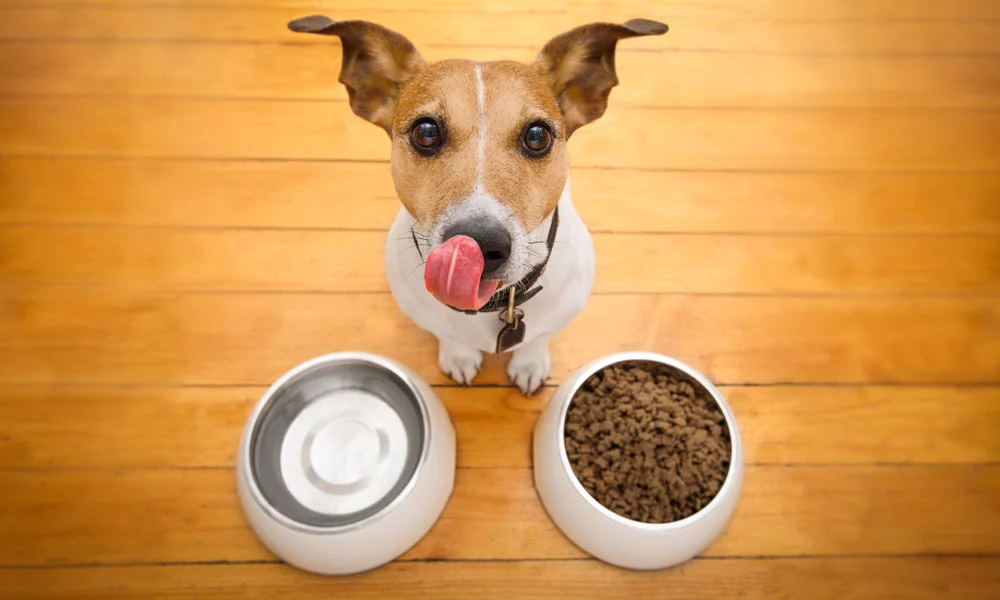
Choosing the right food for your pet can feel overwhelming. Walk into any pet store and you’ll see shelves packed with options—dry food, wet food, grain-free, high-protein, organic, breed-specific, and more. Every brand claims to be the best. So how do you actually choose healthy food for your pet?
- Why Pet Nutrition Matters
- Understand Your Pet’s Nutritional Needs
- How to Read Pet Food Labels
- Dry Food vs. Wet Food
- Key Nutrients to Look For
- Ingredients to Avoid
- Special Diets and Health Conditions
- Portion Control and Feeding Schedule
- How to Transition to a New Food
- Signs Your Pet Is Eating the Right Food
- Common Mistakes Pet Parents Make
- Conclusion
- FAQs
The truth is simple: the best food is the one that meets your pet’s specific nutritional needs. Dogs and cats aren’t all the same. Age, breed, activity level, and health conditions all matter. In this guide, we’ll break everything down so you can confidently pick the right food and keep your furry companion healthy and happy.
Why Pet Nutrition Matters
Food is more than just something that fills your pet’s bowl—it’s the foundation of their health. A balanced diet supports strong muscles, a healthy immune system, shiny fur, good digestion, and steady energy levels.
Poor-quality food, on the other hand, can lead to:
- Obesity
- Digestive issues
- Allergies
- Low energy
- Dull coat and skin problems
Just like humans feel better when eating nutritious meals, pets thrive on high-quality ingredients. Choosing the right food today can prevent costly health problems tomorrow.
Understand Your Pet’s Nutritional Needs

Before buying any food, consider your pet’s individual needs.
1. Species Matters: Dogs vs. Cats
Dogs are omnivores, meaning they can eat both plant and animal-based foods. Cats are obligate carnivores. They need animal protein and specific nutrients like taurine that come from meat. Never feed dog food to cats—it doesn’t provide the essential nutrients they require.
2. Age and Life Stage
Pets need different nutrients at different life stages:
- Puppies & Kittens: High protein and fat for growth
- Adult Pets: Balanced nutrition for maintenance
- Senior Pets: Fewer calories, joint support, easy digestion
Always choose food labeled for your pet’s life stage.
3. Breed and Size
Large breeds may need joint-support formulas. Small breeds often require calorie-dense food because of their fast metabolism. If your pet is prone to certain health issues, choose food that supports those concerns.
How to Read Pet Food Labels
Pet food packaging can be confusing. Knowing what to look for makes all the difference.
Check the Ingredient List
Ingredients are listed in order of weight. The first ingredient should ideally be a named animal protein like:
- Chicken
- Lamb
- Salmon
- Turkey
Avoid foods where “corn,” “wheat,” or vague terms like “meat by-products” are listed first.
Look for Guaranteed Analysis
This section shows the percentage of:
- Protein
- Fat
- Fiber
- Moisture
Higher protein is generally better, especially for active pets. Make sure fat levels are appropriate—not too high unless your pet is very active.
Be Cautious with Marketing Claims
Words like “premium” or “natural” don’t always mean better quality. Focus on the ingredient list and nutritional breakdown instead of flashy packaging.
Dry Food vs. Wet Food
Both dry and wet food have benefits.
Dry Food (Kibble)
Pros:
- Convenient and easy to store
- More affordable
- Supports dental health by reducing plaque
Cons:
- Lower moisture content
- Some brands contain fillers
Wet Food
Pros:
- Higher moisture (good for hydration)
- Often more palatable
- Easier to chew for seniors
Cons:
- More expensive
- Shorter shelf life after opening
You can also mix dry and wet food for balanced benefits. The best choice depends on your pet’s needs and preferences.
Key Nutrients to Look For

A healthy pet diet isn’t just about filling the bowl—it’s about providing the right balance of nutrients that support growth, energy, immunity, and overall well-being. Just like humans need protein, healthy fats, vitamins, and minerals to stay strong, pets require specific nutrients in the right proportions. When reading pet food labels, these are the essential components you should always look for:
1. Protein
Protein is the foundation of your pet’s diet. It helps build and repair muscles, supports healthy skin and coat, strengthens the immune system, and plays a major role in overall growth and development. For puppies and kittens, protein is especially important because their bodies are growing rapidly. Adult pets also need consistent protein intake to maintain lean muscle mass.
Animal-based proteins—such as chicken, turkey, lamb, beef, or fish—are considered high-quality sources because they contain complete amino acid profiles. Amino acids are the building blocks of protein, and some of them are essential, meaning pets must get them from food. Cats, in particular, rely heavily on animal protein since they are obligate carnivores.
When checking labels, look for a clearly named meat source as the first ingredient (for example, “chicken” instead of “meat meal”). This usually indicates a better-quality formula.
2. Healthy Fats
Fats are often misunderstood, but they are crucial for your pet’s health. They provide a concentrated source of energy and help absorb fat-soluble vitamins like A, D, E, and K. Healthy fats also support brain development, especially in young pets, and keep the skin hydrated and the coat shiny.
Omega-3 and omega-6 fatty acids are particularly important. Omega-3s (often found in fish oil or flaxseed) reduce inflammation and support joint and heart health. Omega-6s promote healthy skin and coat condition. A proper balance between these two fatty acids is key.
Good sources of healthy fats include chicken fat, salmon oil, and fish oil. Avoid foods that contain vague terms like “animal fat” without specifying the source.
3. Carbohydrates
Carbohydrates often get a bad reputation, but they can be a useful energy source—especially for dogs. While cats don’t require carbohydrates in large amounts, dogs can digest them well when they come from quality sources.
The key is choosing the right type of carbs. Whole grains like brown rice, oats, and barley provide fiber and steady energy. Vegetables such as sweet potatoes and peas also offer vitamins and antioxidants. These ingredients support digestion and gut health.
On the other hand, heavily processed fillers like corn, wheat, or soy (when used in excess) may provide little nutritional value. Always ensure carbohydrates complement protein rather than replace it as the main ingredient.
4. Vitamins and Minerals
Vitamins and minerals are essential for maintaining strong bones, healthy organs, and a robust immune system. Even though they are required in smaller amounts compared to protein or fat, they play a huge role in overall health.
For example:
- Calcium and phosphorus support strong bones and teeth.
- Vitamin A promotes healthy vision and skin.
- Vitamin E acts as an antioxidant, protecting cells from damage.
- Zinc and iron help with immune function and oxygen transport in the blood.
A high-quality pet food will include a balanced blend of these nutrients to meet daily requirements. Avoid adding supplements unless recommended by a veterinarian, as too much of certain vitamins and minerals can cause health issues.
By ensuring your pet’s food contains balanced amounts of protein, healthy fats, carbohydrates, vitamins, and minerals, you’re setting the foundation for a long, active, and healthy life.
Ingredients to Avoid
Not all pet foods are made with your pet’s health in mind. Some contain low-quality ingredients that add little nutritional value. When reading labels, watch out for the following:
- Artificial colors and flavors – Added to attract pet owners, not pets. They offer no health benefits and may cause sensitivities.
- Chemical preservatives (BHA, BHT, Ethoxyquin) – Used to extend shelf life but may raise long-term health concerns. Look for natural preservatives like vitamin E instead.
- Excessive fillers (corn, soy, wheat as main ingredients) – These are often used to bulk up food cheaply. Protein should be the main ingredient, not grains.
- Unnamed meat sources – Avoid vague terms like “meat meal” or “animal by-product.” Choose foods that clearly state the protein source, such as “chicken” or “salmon.”
If the ingredient list looks overly complicated or filled with unfamiliar chemicals, it’s better to choose a simpler, more transparent formula.
Special Diets and Health Conditions

Not every pet can thrive on regular commercial food. Some pets have specific health concerns that require carefully tailored nutrition. In such cases, choosing the right specialized diet can make a big difference in their comfort, energy levels, and overall well-being.
Here are some common situations where special diets may be necessary:
- Allergies:
Pets with food allergies may experience itching, skin infections, ear problems, or digestive upset. Limited-ingredient or hypoallergenic formulas help by reducing exposure to common allergens like beef, chicken, dairy, or wheat. These diets typically use a single protein source and fewer ingredients to minimize reactions. - Weight Issues:
Overweight pets are at higher risk for joint problems, diabetes, and heart disease. Low-calorie, high-fiber foods can help them feel full while reducing calorie intake. Proper portion control and regular exercise should also be part of a weight management plan. - Sensitive Stomach:
Pets with digestive issues benefit from easily digestible proteins like chicken or fish, along with gentle carbohydrates such as rice or sweet potato. These formulas are designed to reduce bloating, gas, and diarrhea. - Medical Conditions:
Certain health problems—like kidney disease, urinary issues, diabetes, or heart conditions—require prescription diets. These are specially formulated to support treatment and should only be used under veterinary supervision.
If your pet has ongoing health issues or unusual symptoms, always consult a veterinarian before making dietary changes. The right food can support recovery and improve quality of life, but professional guidance ensures you’re making the safest choice.
Portion Control and Feeding Schedule
Even the healthiest food can cause problems if overfed. Obesity is one of the most common issues in pets.
Follow feeding guidelines on the packaging, but adjust based on:
- Activity level
- Weight goals
- Veterinary advice
Most adult dogs benefit from two meals a day. Cats may prefer smaller, frequent meals. Avoid free feeding unless advised by a vet.
How to Transition to a New Food
Switching your pet’s food suddenly can lead to digestive upset, including vomiting, diarrhea, gas, or loss of appetite. Pets need time to adjust to new ingredients, flavors, and nutrient levels. A slow and gradual transition helps their digestive system adapt smoothly.
Follow this simple 7–10 day transition plan:
- Day 1–3: 75% old food + 25% new food
- Day 4–6: 50% old food + 50% new food
- Day 7–9: 25% old food + 75% new food
- Day 10: 100% new food
Mix the foods thoroughly at each meal to ensure a balanced blend. During this period, monitor your pet closely. Mild changes in stool can be normal, but watch for signs like persistent vomiting, diarrhea, excessive itching, or refusal to eat.
If any severe symptoms appear, pause the transition and consult your veterinarian. Taking it slow may seem simple, but it makes a big difference in keeping your pet comfortable and healthy during a diet change.
Signs Your Pet Is Eating the Right Food
How do you know you’ve chosen well? Look for these signs:
- Shiny coat and healthy skin
- Consistent energy levels
- Healthy weight
- Firm, regular stools
- Bright eyes and alert behavior
If your pet seems lethargic or develops digestive issues, it may be time to reassess their diet.
Common Mistakes Pet Parents Make
Avoid these frequent errors:
- Choosing food based only on price
- Overfeeding treats
- Following food trends without research
- Ignoring ingredient labels
- Not consulting a vet when needed
Healthy feeding is about balance and informed decisions—not marketing hype.
Conclusion
Choosing healthy food for your pet doesn’t have to be complicated. Start by understanding your pet’s age, breed, and specific needs. Read ingredient labels carefully, prioritize high-quality protein, and avoid artificial additives and fillers. Whether you choose dry food, wet food, or a combination of both, the goal is simple: balanced nutrition that supports long-term health.
Remember, every meal is an opportunity to support your pet’s well-being. When you choose wisely, you’re not just feeding them—you’re helping them live a longer, happier life.
FAQs
Last Updated on March 3, 2026 by Sunil Kandari

Sunil Kandari
Sunil Kandari is a WordPress Developer and Content Writer with expertise in building high-performance websites and creating SEO-friendly content. He focuses on clean design, user experience, and practical strategies that help businesses grow online. Passionate about technology, he continuously explores new tools and trends to deliver better digital solutions.