
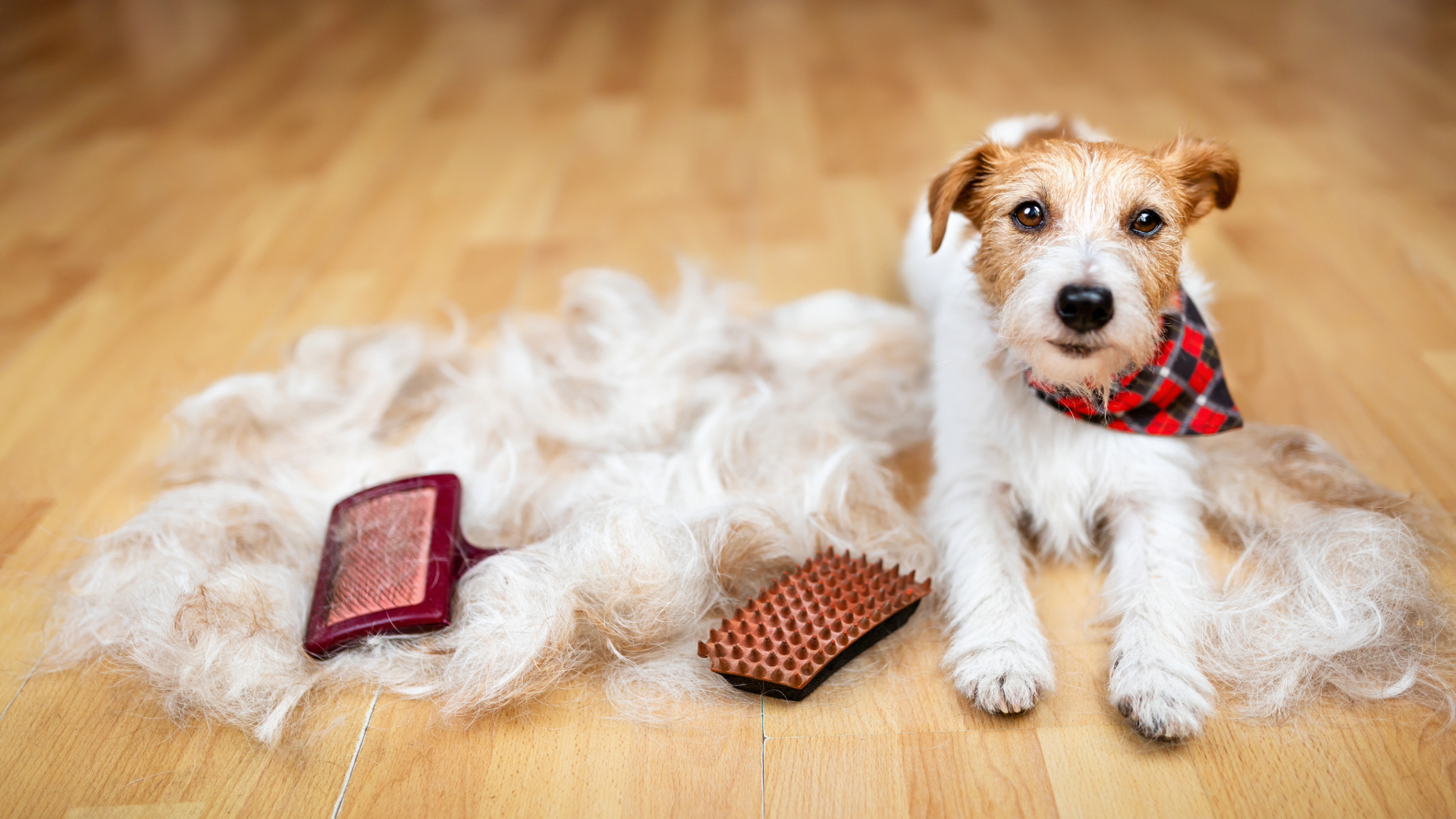
If you’ve ever found your clothes, couch, or entire home covered in fur, you’re definitely not alone. Shedding is something almost every dog owner deals with, especially during certain times of the year. But here’s the good news: while you can’t stop shedding completely, you can manage it effectively and naturally right at home.
In this guide, you’ll learn how to control dog shedding at home using simple, natural methods that work. From grooming techniques to diet changes, we’ll walk you through everything you need to know for a healthier, shinier coat—and a lot less fur on your furniture.
Why Do Dogs Shed So Much?
Before you dive into solutions, it helps to understand why your dog is shedding so much in the first place. Not all shedding is bad—some of it is totally normal. But when it seems excessive, it could be pointing to other issues.
1. Seasonal Shedding
Most dogs shed more during spring and fall. This is known as seasonal shedding, and it’s a natural process to help them adapt to changing temperatures. During spring, dogs lose their thick winter coats, and in fall, they prepare for colder weather by shedding their summer coat.
2. Breed Matters
Some breeds naturally shed more than others. For example:
- Heavy shedders: Labrador Retrievers, German Shepherds, Huskies
- Low shedders: Poodles, Bichon Frise, Maltese
So if you own a breed known for heavy shedding, it’s not something to panic about—but it does mean you’ll need to be more proactive.
3. Diet & Nutrition
A poor diet can lead to dry skin and brittle fur, making shedding worse. Dogs need essential nutrients like proteins, vitamins, and fatty acids for a healthy coat. Without these, their fur becomes weak and falls out more easily.
4. Stress and Health Issues
Emotional or physical stress—like moving homes, separation anxiety, or skin conditions—can increase hair loss. If your dog is constantly scratching, losing fur in patches, or seems irritated, it’s worth a trip to the vet.
How to Control Dog Shedding at Home
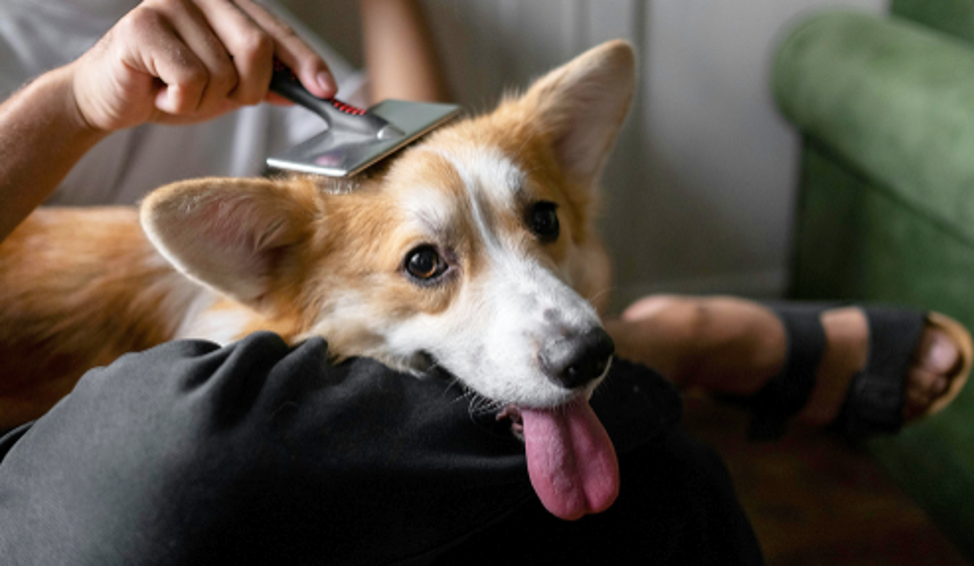
Managing shedding doesn’t have to be complicated. With a few simple changes in your daily routine, you can dramatically reduce the amount of loose hair in your home.
1. Daily Brushing Techniques
Brushing is one of the most effective ways to control shedding. It removes loose fur before it ends up all over your floor.
- Start daily brushing, especially during shedding seasons
- Brush in the direction of hair growth
- Keep sessions short and gentle
- Use treats to make it a positive experience
2. Choosing the Right Brush
The type of brush you use matters:
| Coat Type | Recommended Brush |
| Short Hair | Rubber curry brush or bristle brush |
| Medium Hair | Slicker brush or deshedding tool |
| Long Hair | Pin brush or rake brush |
A FURminator or similar de-shedding tool is great for double-coated dogs.
3. Bathing Frequency & Tips
Bathing helps loosen dead fur and keeps the coat clean, but overbathing can dry out the skin.
- Bath your dog every 4–6 weeks
- Use natural, moisturizing dog shampoos
- Avoid human shampoos—they can mess with your dog’s pH balance
- Towel dry and brush afterward to remove excess fur
4. Using Natural Oils
Natural oils can help nourish your dog’s skin and coat from the inside out.
- Coconut oil: Add a teaspoon (for small dogs) or tablespoon (for large dogs) to food a few times a week
- Fish oil supplements: Rich in Omega-3, great for coat health
- Always check with your vet before adding supplements
Home Remedies for Dog Shedding
Looking for easy, natural ways to manage shedding? Try these home remedies for dog shedding that actually work.
1. Proper Hydration
Dehydrated dogs are more likely to shed excessively. Make sure your dog:
- Has constant access to fresh, clean water
- Drinks enough, especially in summer
- Eats water-rich foods like cucumbers or watermelon (in moderation)
2. Natural Supplements
Adding flaxseed, chia seeds, or brewer’s yeast (in safe amounts) to your dog’s food can provide a nutritional boost that supports a healthier coat.
- Flaxseed oil: Adds shine and reduces inflammation
- Chia seeds: Omega-3 powerhouse
- Brewer’s yeast: Packed with B vitamins for skin health
3. DIY Grooming Habits
- Wipe your dog’s coat daily with a damp microfiber cloth to pick up loose fur
- Try homemade dog wipes using water, aloe vera, and a few drops of dog-safe essential oils (like lavender)
4. Clean Sleeping Areas
Dogs shed more where they rest. Keep beds and favorite napping spots clean:
- Wash bedding weekly
- Vacuum areas regularly
- Use a lint roller for quick fur removal
Best Diet for a Healthy, Shiny Dog Coat
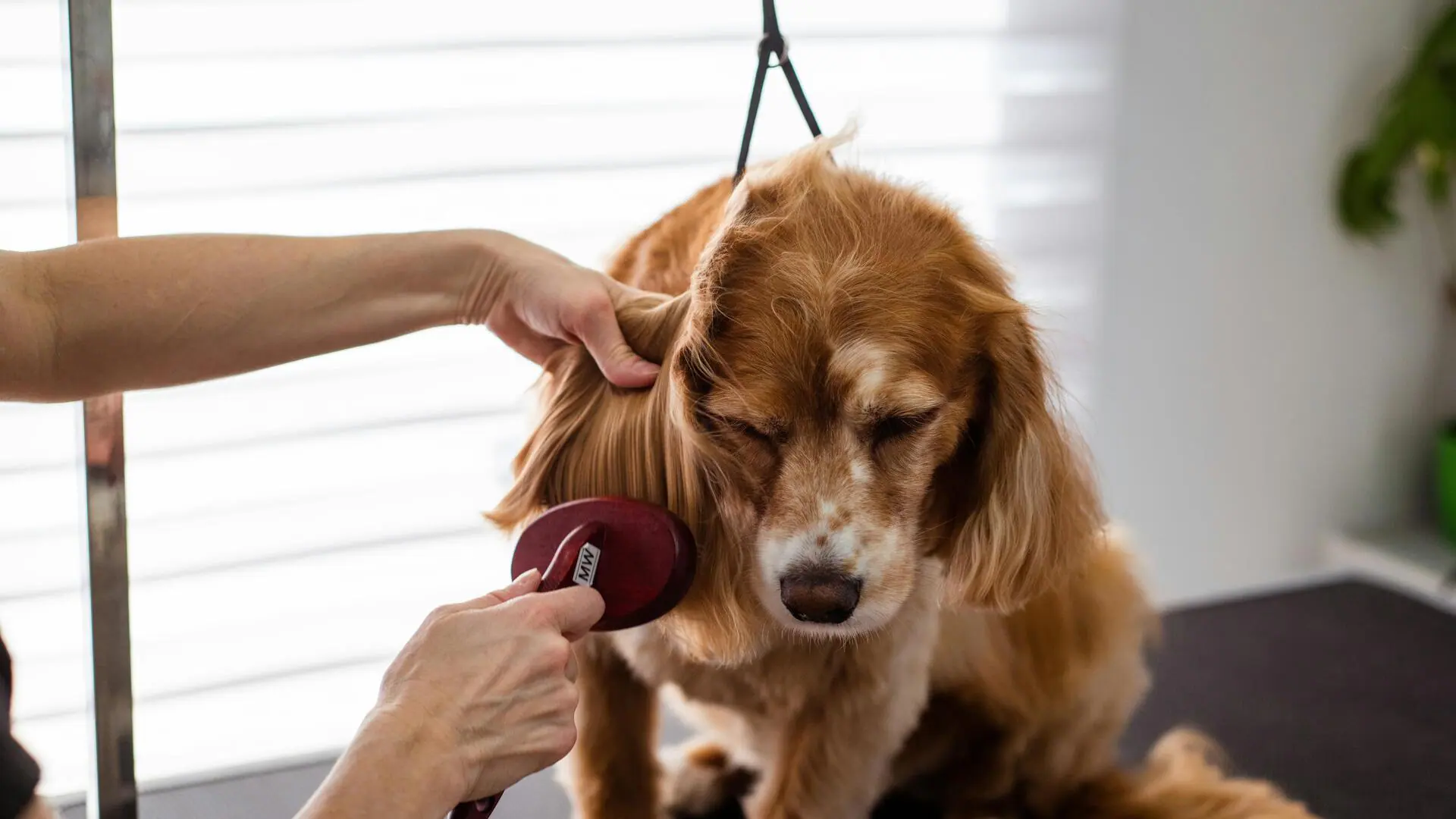
You are what you eat—and the same goes for your dog! Diet is one of the most important factors in controlling shedding.
1. Importance of Protein
Dogs need high-quality animal protein to grow strong, healthy hair.
- Choose foods with real meat as the first ingredient
- Avoid fillers like corn, soy, and wheat
2. Omega-3 & Omega-6 Benefits
These fatty acids do wonders for skin and coat health:
- Reduce inflammation and itching
- Add shine to the coat
- Reduce overall shedding
Look for these sources:
- Salmon
- Sardines
- Flaxseed oil
- Fish oil supplements
3. Foods That Improve Coat Health
Incorporate these into your dog’s meals (with vet guidance):
- Eggs (cooked)
- Sweet potatoes (rich in beta-carotene)
- Carrots
- Pumpkin
- Blueberries (antioxidants)
4. Foods to Avoid
Some ingredients can trigger allergies or poor skin conditions:
- Artificial preservatives and colors
- Low-quality meat byproducts
- Excess grains
Always check labels and opt for natural, grain-free, or limited ingredient diets when needed.
Dog Grooming Tips for Shedding Control
Even the best diet won’t help much if grooming is ignored. Follow these dog grooming tips for shedding to stay on top of loose fur.
1. How Often to Groom
- Short-haired dogs: 2–3 times a week
- Long-haired dogs: Daily brushing
- Bathing: Every 4–6 weeks (unless super dirty)
Consistency is key!
2. Tools Every Dog Owner Should Have
Keep these grooming tools on hand:
- Slicker brush or deshedding tool
- Steel comb for tangles
- Dog-safe shampoo & conditioner
- Nail clippers or grinder
- Microfiber towels
3. Common Grooming Mistakes
Avoid these to keep your dog’s coat healthy:
- Using human shampoo
- Skipping brushing between baths
- Not drying properly after a bath
- Using the wrong brush for the coat type
When to See a Vet
Sometimes, shedding is more than just a seasonal issue. If you notice anything unusual, it’s time for a professional opinion.
Watch Out For:
- Excessive hair loss despite proper care
- Bald patches or thinning fur
- Red, irritated skin
- Constant scratching or licking
These may point to allergies, parasites, or underlying skin conditions that require treatment.
For more tips on dog care and gear, check out:
- The Ultimate Guide to Dog Collars
- Best Dog Collars for Different Breeds and Sizes
- Top 10 Smart Dog Collars in 2025
- How to Clean Dog Collars
- How to Keep Dogs Warm in Winter
FAQ
Conclusion
Shedding is a normal part of a dog’s life—but it doesn’t have to take over your home. With the right mix of healthy coat care tips, grooming routines, and smart diet choices, you can easily manage fur at home without harsh chemicals or shaving.
Just remember: consistency is key. Whether it’s brushing daily, adding fish oil to meals, or simply keeping their bed clean, small steps make a big difference. Give your pup the care they deserve, and enjoy a cleaner, fur-free home.
Last Updated on December 25, 2025 by furryadminblog
