
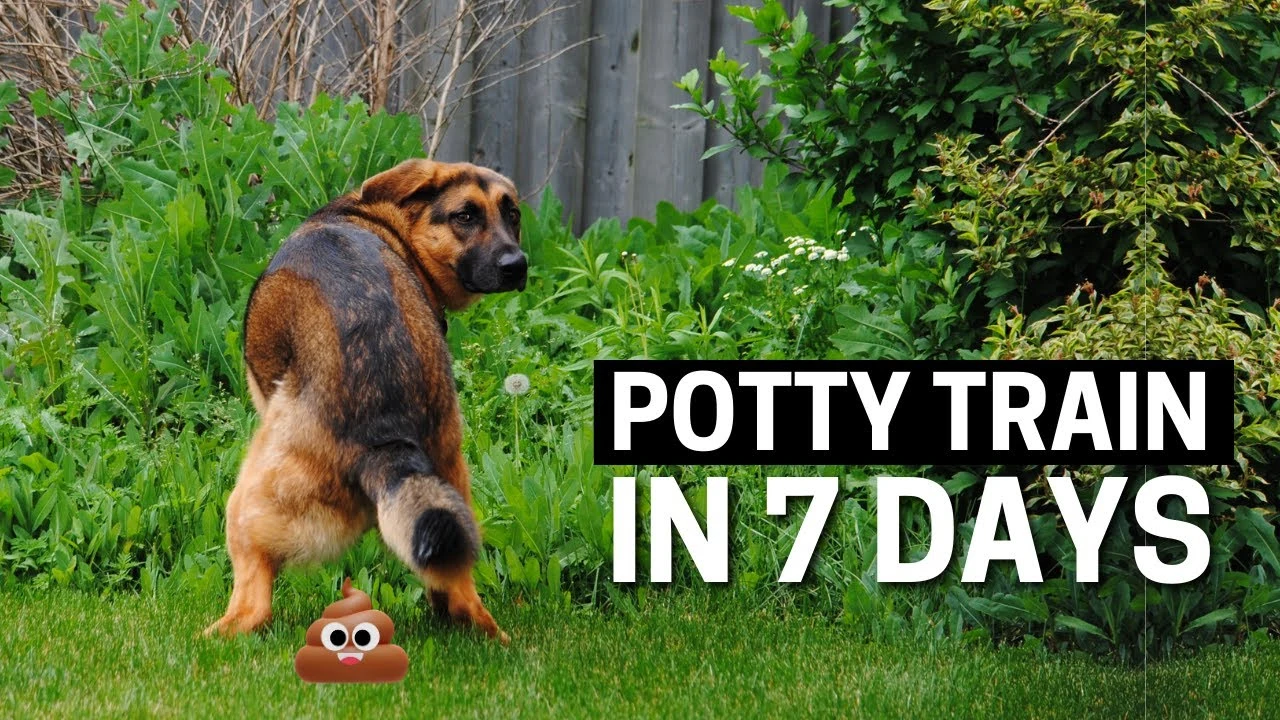
Potty training a puppy is one of the most important—and often most stressful—stages of dog ownership. When you bring a puppy home, you imagine bonding moments, playful energy, and cuddles on the couch. What most people don’t expect are the repeated accidents, ruined carpets, lingering odors, and the constant worry that they might be doing something wrong.
If you’re feeling overwhelmed, you’re not failing. In fact, most puppy owners struggle because they’re never taught how potty training actually works from a dog’s point of view. Puppies don’t naturally understand human rules, and without a clear system, even intelligent, eager-to-please dogs become confused.
In this complete guide, you’ll learn how to potty train your puppy in 7 days using a realistic, positive, and proven approach. You’ll also discover a trusted potty training program that removes guesswork and helps owners see results faster—without punishment, stress, or frustration.
Why Potty Training Feels So Hard for Puppy Owners
Potty training isn’t difficult because puppies are stubborn or slow learners. It’s difficult because their brains work very differently from ours.
Puppies live entirely in the present moment. They don’t understand that peeing on a carpet is “wrong,” nor do they understand that they’re supposed to wait until you open the door. To a puppy, the urge to relieve themselves is immediate, and unless they’ve been clearly taught otherwise, location doesn’t matter.
Another major challenge is inconsistency. Many owners feed their puppies at different times each day, take them outside without a schedule, and react differently to accidents depending on their mood. This lack of predictability makes it extremely difficult for a puppy to form a reliable habit.
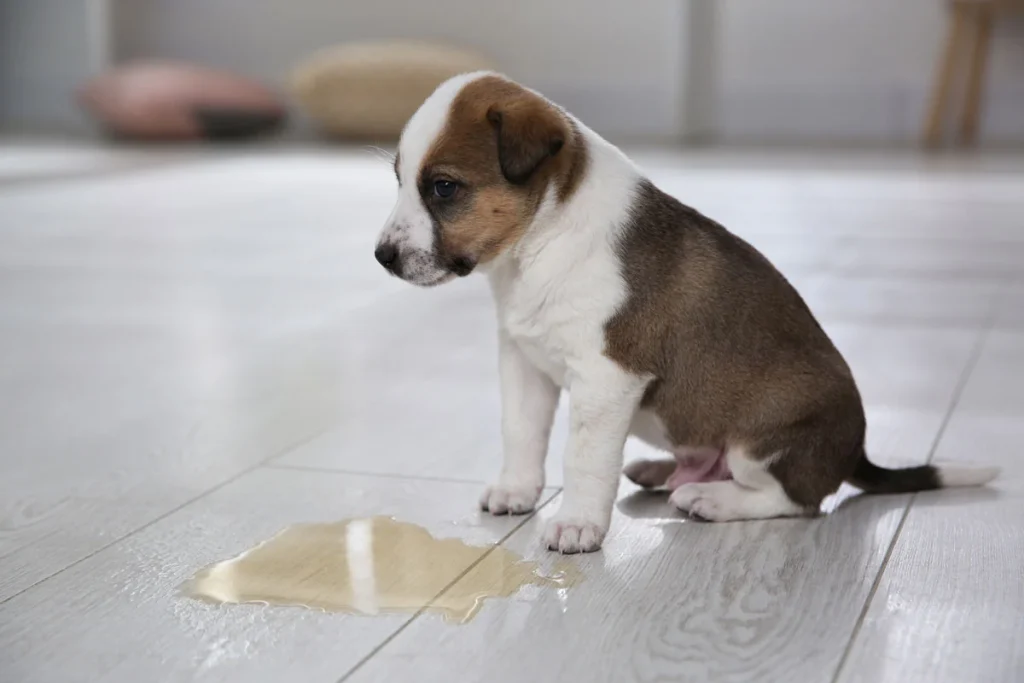
Punishment also slows progress more than most people realize. When owners yell or scold after an accident, the puppy doesn’t learn where to go. Instead, they learn to fear being seen while pottying. This often leads to sneaky accidents behind furniture or in unused corners of the house.
Finally, many owners simply miss early potty signals. Puppies usually give subtle warnings—sniffing the floor, circling, pacing, or suddenly disengaging from play. When these signs go unnoticed, accidents feel sudden and unavoidable.
Is It Really Possible to Potty Train a Puppy in 7 Days?

Yes—but it’s important to understand what “7 days” actually means.
Potty training your puppy in 7 days doesn’t mean your puppy will never have another accident. What it means is that within a week, your puppy can clearly understand where they’re supposed to go, accidents can drop dramatically, and a strong routine can be established.
Puppies learn incredibly fast when training is consistent, clear, and rewarding. When the same actions lead to the same outcomes every time, learning accelerates. A focused seven-day approach works because it removes confusion and replaces it with structure.
The 7-Day Puppy Potty Training Process Explained
Day 1: Creating Structure and Predictability
The first day is about building a foundation. Puppies thrive on routine because routine creates security. Feeding your puppy at the same times each day helps regulate digestion, which in turn makes potty timing more predictable.
From day one, you begin taking your puppy outside immediately after waking up, after meals, after naps, after playtime, and before bedtime. This repetition teaches your puppy that outdoor trips are normal, frequent, and purposeful. Instead of waiting for accidents, you’re actively preventing them.
Day 2: Understanding Your Puppy’s Body Language
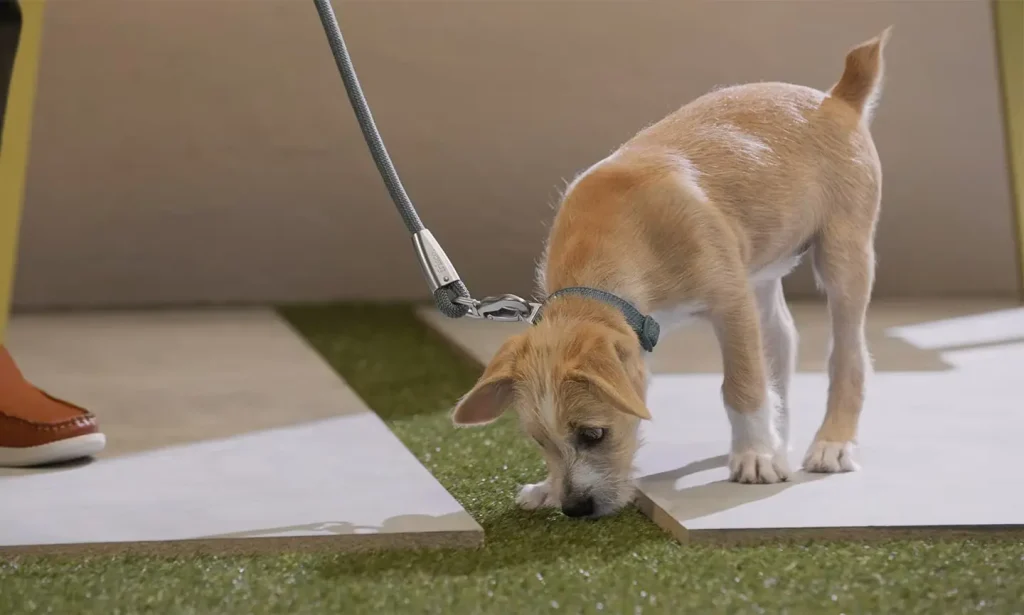
By the second day, your focus shifts to observation. Puppies almost always show signs before they need to go potty. Learning these signals helps you act quickly and avoid indoor accidents.
Common potty signals include:
- Sniffing the floor intensely
- Walking in small circles
- Suddenly stopping play
- Pacing or whining
- Moving toward corners or quiet areas
Responding immediately to these signs teaches your puppy that going outside is the correct response to the urge.
Day 3: Using Crate Training Correctly
Crate training is often misunderstood, but when done properly, it becomes one of the most effective potty training tools available. Dogs naturally avoid soiling their sleeping area. A correctly sized crate helps your puppy develop bladder awareness while preventing unsupervised accidents.
The crate should never be used as punishment. Instead, it should be a calm, comfortable space where your puppy can rest safely when you cannot supervise them directly. Used correctly, this step alone can dramatically speed up potty training.
Day 4: Teaching Through Immediate Rewards
By day four, reward timing becomes crucial. Puppies learn through association. If praise or treats come too late, they won’t understand which behavior earned them.
The moment your puppy finishes pottying outside, reward them immediately. This instant feedback clearly communicates, “This is exactly what I want you to do.” Over time, this builds confidence and reliability.
Day 5: Preventing Accidents Before They Happen
At this stage, most puppies are already having fewer accidents. Now the focus shifts to prevention rather than correction. Close supervision indoors is essential, and limiting your puppy’s access to rooms reduces opportunities for mistakes.
Instead of waiting for signs of urgency, you proactively take your puppy outside based on time and activity. This reinforces success and prevents setbacks.
Day 6: Strengthening the Habit
By day six, many puppies start showing real understanding. You may notice them heading toward the door, waiting for you, or becoming restless instead of going indoors. These are signs that learning is happening.
Consistency remains critical. Every successful potty trip strengthens the habit, while calm handling of mistakes prevents confusion.
Day 7: Transitioning to Long-Term Success
By day seven, potty training feels far less stressful. Your puppy now understands where to go and what behavior earns praise. While supervision is still important, accidents no longer feel constant or overwhelming.
From here, maintaining the routine is what ensures long-term success.
Best Times to Take Your Puppy Outside
A predictable schedule is one of the most important parts of potty training. Puppies should always be taken outside at key moments, including:
- Immediately after waking up
- Right after eating or drinking
- After naps
- After playtime or excitement
- Before bedtime
Following this routine helps regulate your puppy’s bladder and reduces accidents dramatically.
Common Potty Training Mistakes That Delay Progress
Many potty training problems come from simple mistakes that owners don’t realize they’re making:
- Punishing a puppy after an accident
- Feeding meals at inconsistent times
- Giving too much freedom too early
- Waiting too long between potty breaks
- Expecting perfection too soon
Avoiding these mistakes can cut potty training time in half.
A Proven Solution That Makes Potty Training Easier
While free advice can help, it often lacks structure. Many puppy owners find faster success by following a complete potty training system instead of piecing together random tips.
One trusted solution is How To Housetrain & Potty Train Any Dog, a step-by-step program designed to make potty training simple and stress-free.
This program focuses on positive reinforcement, clear communication, and proven techniques that work for puppies of all breeds.
Why This Potty Training Program Is Valuable
The biggest reason potty training fails is confusion. This program removes confusion by giving you a clear roadmap. Instead of guessing what to do next, you follow a structured plan that builds confidence for both you and your puppy.
It’s designed for real people with busy lives and avoids harsh methods or unrealistic expectations.
What You’ll Learn Inside the Program
Inside How To Housetrain & Potty Train Any Dog, you’ll learn:
- How to stop indoor accidents quickly
- How to create a reliable potty schedule
- How to read your dog’s body language
- How to reward correctly for faster learning
- How to fix stubborn potty problems
The lessons are practical, beginner-friendly, and easy to apply.
Final Thoughts: Your Puppy Can Learn—With the Right Guidance
Potty training doesn’t have to take months, and it doesn’t have to feel overwhelming. With the right guidance, most puppies can learn quickly and confidently.
If you’re serious about potty training your puppy in 7 days, following a proven system will get you there faster than trial and error.

Your puppy is capable of learning—you just need the right method.
FAQs
Last Updated on March 19, 2026 by furryadminblog
