
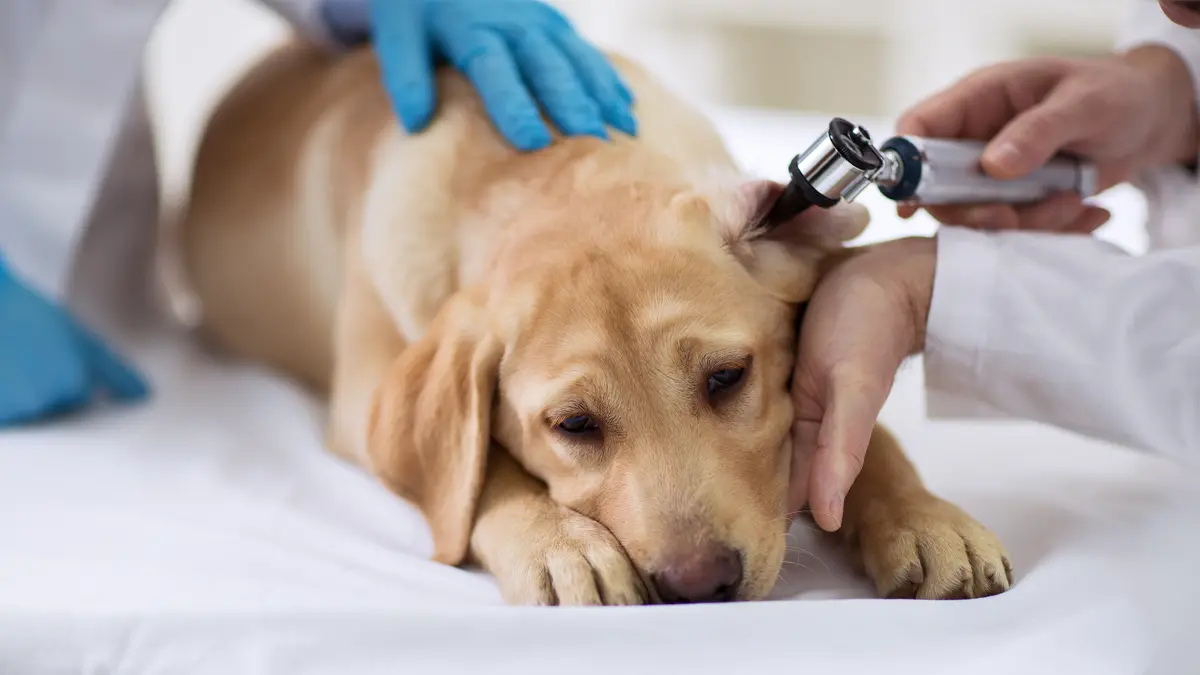
If your dog charges toward water like it’s the best part of their day, you’re not alone. From beach-loving retrievers to sprinkler-chasing puppies, many dogs live for splash time. But once the fun is over, water hiding inside the ears can quietly cause discomfort—and sometimes infections—if it’s ignored.
The good news is that keeping your dog’s ears dry and healthy doesn’t require complicated routines or aggressive cleaning. With a few smart habits, you can prevent most ear issues before they start.
This guide explains how to remove water from your dog’s ears safely, what warning signs to watch for, and how to build an easy ear-care routine—especially if your dog loves water.
Signs Your Dog May Have Water Trapped in Their Ears
Dogs can’t say, “Hey, my ear feels weird,” but they communicate discomfort in other ways. After swimming or bath time, these behaviors often answer the question: what are the signs of water in a dog’s ear?
Repeated Head Shaking or Pawing
A quick shake is normal. Constant head shaking or scratching one ear long after drying off is not. This usually means moisture hasn’t fully drained.
Redness, Swelling, or Bad Smell
Look inside the ear flap. Red skin, swelling, or a musty or sour odor may signal irritation or early infection caused by trapped moisture.
Sudden Ear Sensitivity
If your dog pulls away, whines, or seems defensive when you touch their ears, water inside the ear canal may be causing pressure or inflammation.
Catching these signs early can prevent a simple issue from turning into a painful dog ear infection from swimming.
How to Remove Water From Your Dog’s Ears Safely
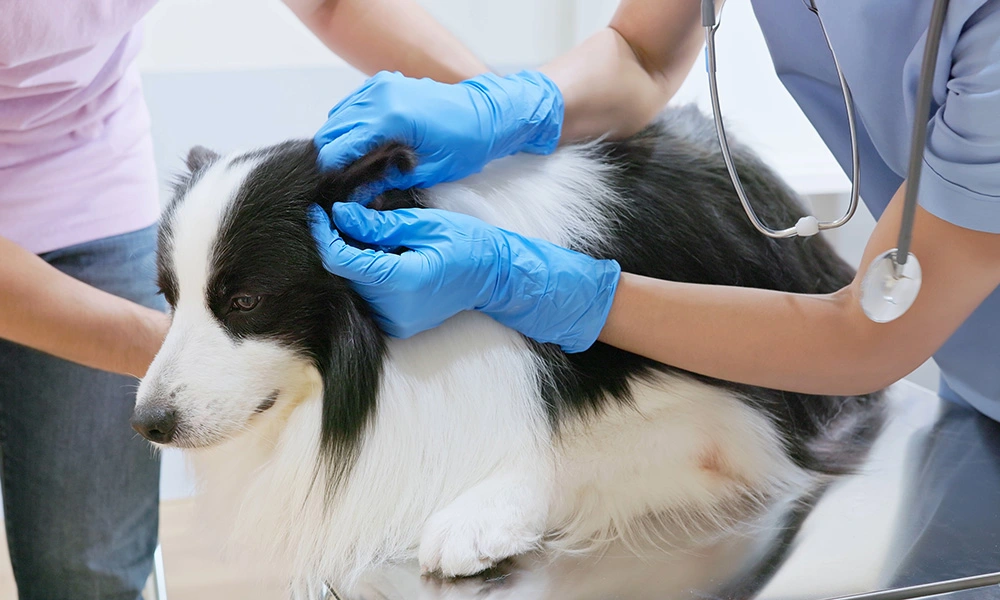
When it comes to dog ear care after a bath or swim, less is more. The goal is to help water escape—not to clean deep inside the ear.
Let Nature Do Its Job First
Your dog’s instinct to shake their head is the fastest way to clear moisture. Let them shake freely, then gently tilt the head to the side and massage the base of the ear to help trapped water move out.
Dry the Outer Ear Only
Use a soft, absorbent towel to pat the ear flap and visible outer ear. Avoid rubbing hard or pushing fabric into the ear canal. This step alone helps with drying dog ears after swimming.
Use Dog-Safe Ear Drying Solutions
Vet-approved ear drying solutions are designed to evaporate leftover moisture safely. Add a few drops as directed, massage gently, and allow your dog to shake again.
Avoid homemade remedies—what works for humans can sting and irritate a dog’s ears.
Improve Airflow Naturally
Hold the ear flap open for a minute or two in a calm, well-ventilated space. This allows dampness to dry without noise or force.
If your dog shows pain or the ear remains wet despite these steps, it’s time to stop and consult your veterinarian.
What NOT to Do When Drying Dog Ears
Trying to fix things too quickly can backfire. Avoid these common mistakes:
- Cotton swabs: They push moisture deeper and risk injury.
- Household liquids: Alcohol or vinegar can burn sensitive tissue.
- Hair dryers or forced air: Loud noise and pressure can hurt and frighten your dog.
- Digging inside the ear: Fingers or tools can scratch the canal and worsen irritation.
Gentle care always beats aggressive cleaning.
Common Dog Ear Care Mistakes to Avoid
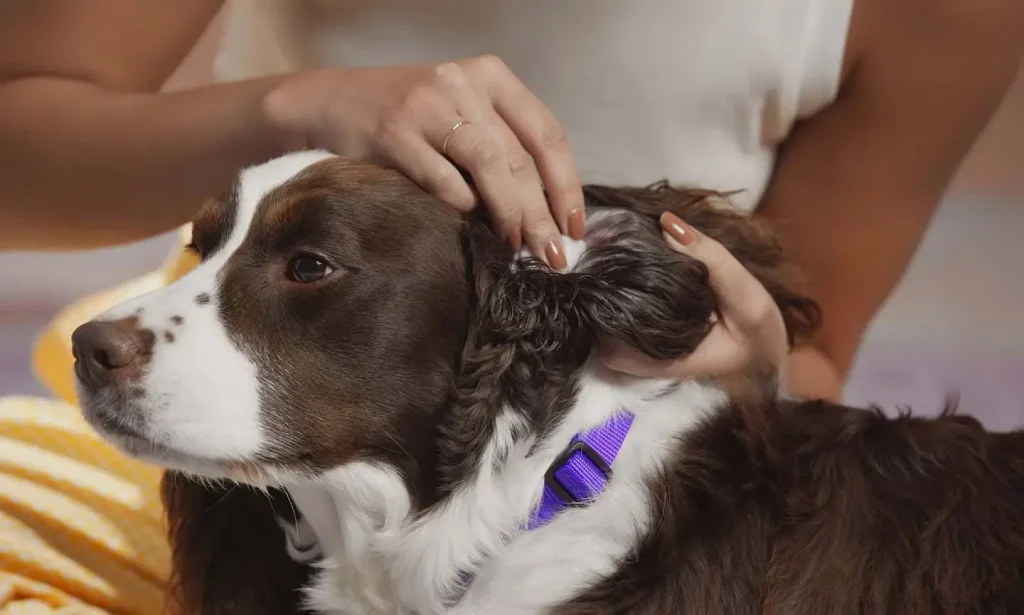
Even experienced dog owners make these errors without realizing it.
Cleaning Too Often
Daily cleaning removes natural oils that protect the ear canal, making it more prone to irritation. Only clean when necessary.
Skipping Weekly Ear Checks
A quick look once a week helps catch redness, odor, or swelling early—before treatment becomes expensive or stressful.
Using the Wrong Products
Not all ear cleaners are dog-friendly. Stick to mild, vet-approved options specifically made for dogs.
Ignoring Breed-Specific Needs
Dogs with floppy ears or thick ear hair trap moisture more easily. These breeds need extra attention after water exposure.
Extra Ear Care Tips for Water-Loving Dogs
If your dog swims often, prevention is your best defense.
After Pool, Lake, or Beach Time
Rinse the outer ears with fresh water to remove chlorine, salt, or bacteria. Dry thoroughly with a towel to prevent irritation.
Grooming That Supports Ear Health
Trimming excess hair around the ears improves airflow and reduces moisture buildup. Combine grooming with regular ear checks.
Be Prepared on Trips
Whether it’s a hike, road trip, or camping adventure, pack a towel and dog-safe ear solution. You’ll be ready for surprise swim sessions.
Healthy Ears Mean More Fun Adventures
Water doesn’t have to be the enemy of your dog’s ears. By learning how to remove water from your dog’s ears properly, spotting early warning signs, and avoiding common mistakes, you can protect your pup from discomfort and infection.
For more tips on dog care and gear, check out:
- The Ultimate Guide to Dog Collars
- Best Dog Collars for Different Breeds and Sizes
- Top 10 Smart Dog Collars in 2025
- How to Clean Dog Collars
- How to Keep Dogs Warm in Winter
A simple routine keeps ears healthy—and ensures your dog stays happy, comfortable, and ready for the next splash.
Last Updated on January 9, 2026 by furryadminblog
