
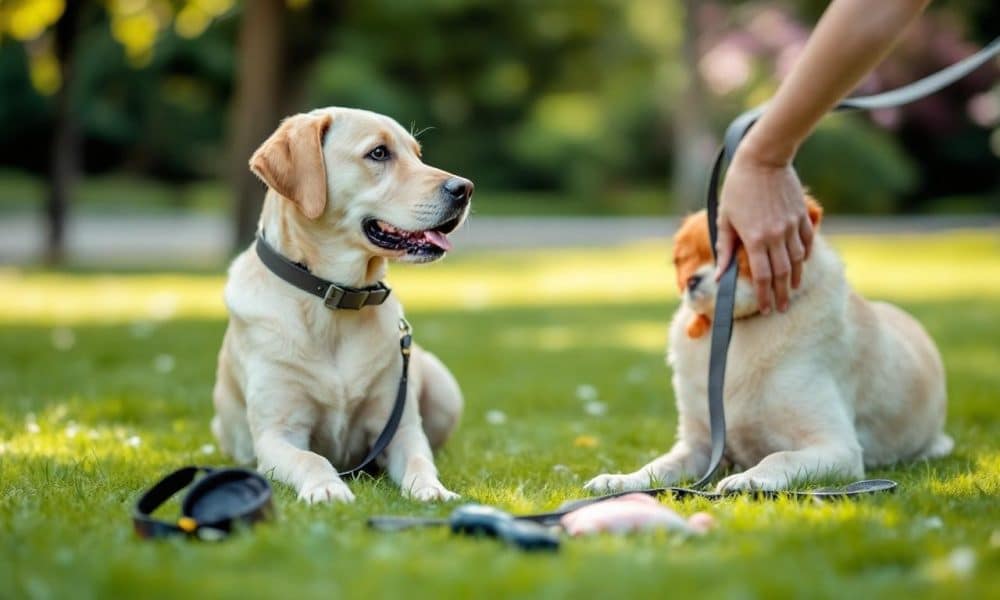
If you’re struggling with how to train a stubborn dog, you’re not alone. Many loving dog owners feel frustrated when their furry friend ignores commands, pulls on the leash, or simply refuses to listen. The good news? Your dog isn’t trying to be difficult on purpose.
In most cases, what looks like stubbornness is actually confusion, lack of motivation, or inconsistent training. The solution isn’t yelling or punishment—it’s smart, positive training that builds trust.
In this guide, you’ll learn exactly how to train a stubborn dog without punishment, using gentle, science-backed methods that actually work at home.
Understanding Why Dogs Act Stubborn
Before jumping into training, it’s important to answer a key question: why is my dog stubborn and how to fix it?
Is Your Dog Really Stubborn?
Dogs don’t wake up thinking, “I’m going to ignore my human today.” What we call stubborn behavior is usually one of these:
- The dog doesn’t understand the command
- The reward isn’t motivating enough
- There are too many distractions
- Training has been inconsistent
Understanding this mindset changes everything.
Common Causes of Stubborn Behavior
Here are the most frequent reasons dogs appear stubborn:
1. Lack of clarity
If commands change (“come,” “come here,” “come now”), dogs get confused.
2. Low motivation
Dry kibble rarely beats squirrels or smells outside.
3. Too many distractions
Parks, guests, and noises overwhelm focus.
4. Breed tendencies
Some breeds (like Huskies, Beagles, and Dachshunds) are naturally more independent.
5. Past negative experiences
Punishment-based training can make dogs shut down.
Fixing stubborn behavior starts with adjusting your approach—not blaming your dog.
Step-by-Step Guide: How to Train a Stubborn Dog
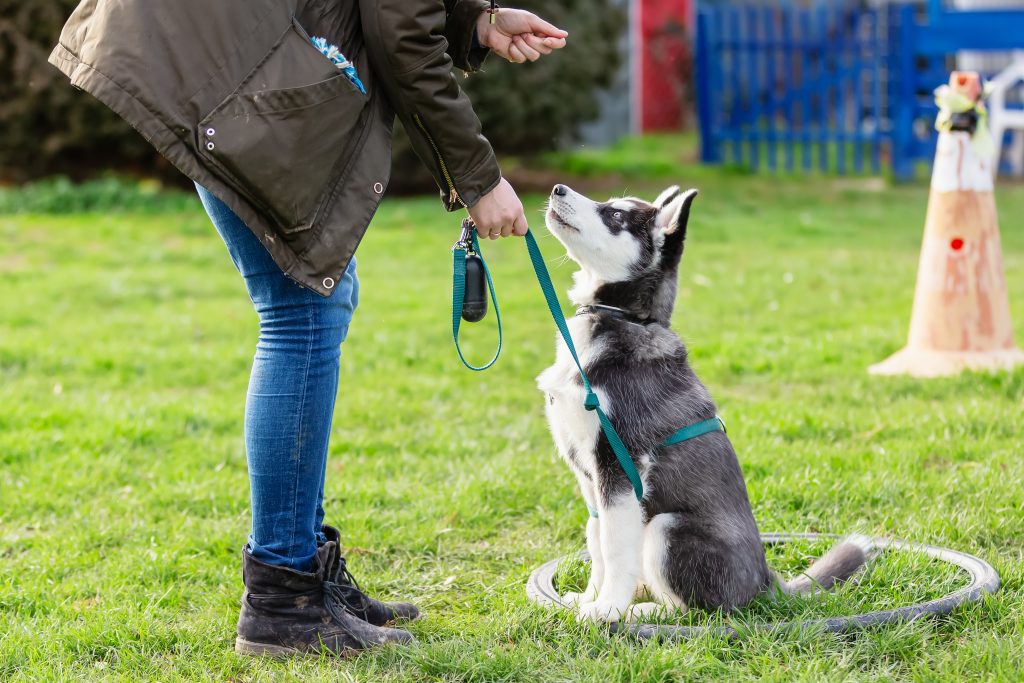
✅ Step 1: Build Trust First
Training starts with connection. If you want real results, your dog must feel safe and comfortable with you. A dog that trusts you is far more likely to listen and cooperate.
Spend 5–10 minutes daily on simple bonding:
- Gentle petting: Use slow, calm strokes on the chest or back. This relaxes your dog.
- Calm talking: Speak in a soft, friendly tone. Dogs respond strongly to voice energy.
- Short play sessions: Play fetch or tug with your dog’s favorite toy to build positive association.
Over time, your dog begins to see you as a trusted leader, not someone to ignore.
Pro tip: Never start training when your dog is stressed, overly excited, or very tired. A calm, alert dog learns much faster.
✅ Step 2: Use High-Value Rewards
If your dog is ignoring treats, the problem usually isn’t stubbornness—it’s motivation. Simply put, the reward isn’t valuable enough for that moment.
Dogs constantly make choices based on what feels most rewarding. If a squirrel, smell, or distraction is more exciting than your treat, your dog will naturally tune you out. That’s why upgrading your rewards is a game-changer when learning how to train a stubborn dog.
Upgrade to high-value rewards such as:
- Boiled chicken (plain, boneless)
- Small cheese cubes
- Freeze-dried liver treats
- Your dog’s favorite toy (for play-motivated dogs)
Use these special rewards mainly during training so they stay exciting and powerful.
Pro tips for best results:
- Cut treats into very small pieces (pea-sized)
- Reward immediately after the correct behavior
- Match reward value to difficulty (harder task = better reward)
- Rotate rewards to keep your dog interested
Think of rewards like salary: better pay equals better performance. When the reward truly matters to your dog, focus and obedience improve dramatically.
✅ Step 3: Keep Training Sessions Short
One of the biggest mistakes owners make is training too long.
Ideal session length:
- Puppies: 3–5 minutes
- Adult dogs: 5–10 minutes
- Multiple sessions per day
Short sessions keep your dog mentally fresh and eager.
✅ Step 4: Be Consistent Every Day
Consistency beats intensity. Dogs learn through repetition, so clear and steady rules matter more than long training sessions. When commands or rules change, dogs get confused and may appear stubborn.
Make sure everyone in the household:
- Uses the same commands
- Rewards the same behaviors
- Follows the same rules
Even small differences can slow progress. Mixed signals create stubborn responses, but consistent guidance helps your dog learn faster and respond reliably.
✅ Step 5: Remove Distractions
When learning something new, start simple.
Training environment progression:
- Quiet room
- Backyard
- Quiet street
- Busy park
Jumping straight to distractions sets your dog up to fail.
✅ Step 6: Use Clear Commands
Dogs don’t understand long sentences—they respond best to short, clear words. Using simple commands helps your dog process and react faster, especially when learning how to train a stubborn dog.
Use single-word commands like:
- Sit
- Stay
- Come
- Down
- Leave it
Avoid long phrases such as:
❌ “Buddy, can you please come here now?”
Long sentences confuse dogs because they focus on sound patterns, not full language. Pick one command for each behavior and stick to it every time.
Rule to remember: Keep it short. Keep it consistent.
✅ Step 7: Celebrate Small Wins
Progress with stubborn dogs happens step by step, not overnight. That’s why it’s important to notice and reward even small improvements. When your dog feels successful, they become more motivated to keep trying.
Make sure to reward:
- Eye contact when you call their name
- Partial responses (for example, starting to sit)
- Small improvements in focus or behavior
These mini-successes build confidence and trust. Over time, small wins turn into reliable obedience.
Momentum builds motivation—so celebrate progress, not just perfection.
Mistakes to Avoid When Training a Stubborn Dog
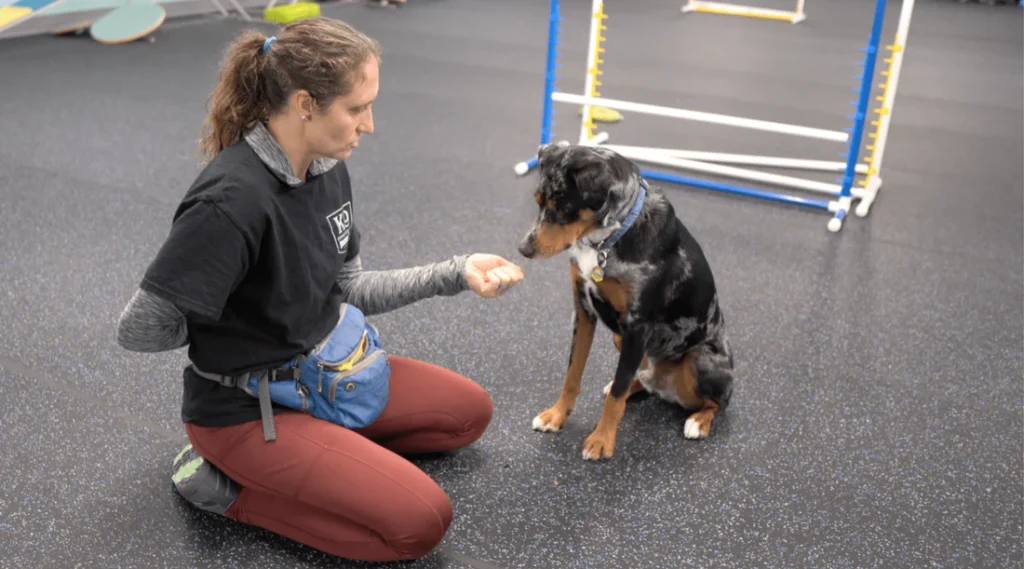
Even with the right methods, a few common mistakes can slow your progress. Being aware of these pitfalls will help your training stay smooth and effective.
🚫 Repeating commands
Avoid saying the same command over and over. Say it once, then gently guide your dog if needed. Repetition teaches dogs they can ignore you.
🚫 Training when frustrated
Dogs quickly pick up on your mood. If you feel annoyed or stressed, pause the session. Calm energy leads to better learning.
🚫 Inconsistent rewards
If good behavior is rewarded sometimes but ignored other times, your dog gets confused. Be consistent so your dog clearly understands what earns rewards.
🚫 Moving too fast
Don’t rush to advanced skills. Make sure your dog fully understands the basics before increasing difficulty.
🚫 Expecting overnight results
Stubborn dogs improve gradually. Patience and daily practice are key to long-term success.
Remember: steady, calm, and consistent training always wins.
Best Tools That Make Training Easier
Using the right tools can significantly speed up progress when training a stubborn dog. These tools don’t replace good training—but they make communication clearer and sessions more effective.
Helpful training tools:
- Clicker: Marks the exact moment your dog does the right behavior, making learning faster and more precise.
- Treat pouch: Keeps rewards easily accessible so you can reinforce good behavior instantly.
- Front-clip harness: Helps reduce pulling during walks and gives you better control without causing discomfort.
- Long training leash: Perfect for practicing recall (“come”) safely while still giving your dog freedom to move.
- Interactive puzzle toys: Provide mental stimulation and reduce boredom-related stubborn behavior.
Pro tip: Use tools to support training—not replace consistency and patience.
Want Faster Results?
If you want a step-by-step brain training system used by thousands of dog owners, check this proven program:
👉 Brain Training for Dogs — Proven Gentle System
✅ No yelling methods
✅ Step-by-step games
✅ Works for stubborn dogs
✅ Perfect for home training
Many owners see noticeable improvement within weeks.
When to Consider Professional Help
Sometimes, despite your best efforts, extra support can make a big difference. A qualified dog trainer or behaviorist can identify issues quickly and create a structured plan tailored to your dog.
Consider professional help if:
- Aggression is present (growling, snapping, biting)
- Severe anxiety exists (destructive behavior, constant fear, panic)
- No progress after 8–10 weeks of consistent training
- Your dog is a rescue with past trauma
- There are complex or multiple behavioral issues
Getting help early can prevent small problems from becoming long-term habits. It also keeps both you and your dog safe while speeding up progress.
FAQs
Conclusion
Learning how to train a stubborn dog doesn’t require yelling, force, or frustration. With patience, consistency, and the right rewards, even the most independent dogs can become responsive and well-behaved.
Remember:
- Build trust first
- Use high-value motivation
- Keep sessions short
- Stay consistent
- Celebrate progress
If you want a structured, game-based system that speeds up results, don’t forget to explore the recommended training program above.
Your calm leadership today creates your dog’s great behavior tomorrow.
Last Updated on February 24, 2026 by Sunil Kandari

Sunil Kandari
Sunil Kandari is a WordPress Developer and Content Writer with expertise in building high-performance websites and creating SEO-friendly content. He focuses on clean design, user experience, and practical strategies that help businesses grow online. Passionate about technology, he continuously explores new tools and trends to deliver better digital solutions.