
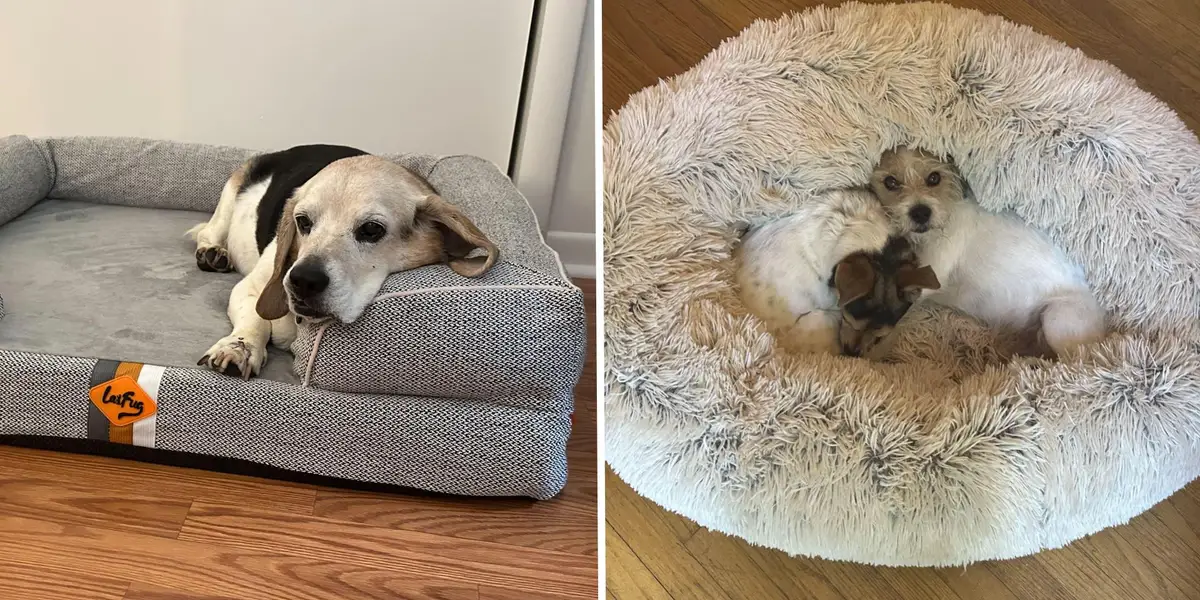
Large dogs are not just pets. They are companions who share your couch, your mornings, and your heart. And when a 90-pound Labrador squeezes into a bed built for a Beagle, you both feel the disappointment. Finding the best dog bed for large dogs is not just about size. It is about proper joint support, durable materials, and a design that actually holds up under serious weight night after night.
Table of Contents
Here is the good news: the market for quality large dog beds has never been better. The global orthopedic dog bed market was valued at approximately 500 million USD in 2025, with an 8% compound annual growth rate projected through 2033. Pet owners are investing more in canine sleep health, and manufacturers are responding with genuinely better products. This guide walks you through everything you need to know before buying, plus the best options available right now.
Key Takeaways
- Large dogs sleep an average of 12 to 14 hours a day, making a quality bed a genuine health investment
- 80% of dogs over the age of eight develop joint issues such as arthritis or hip dysplasia, which proper beds can help manage
- Memory foam of at least 4 to 5 inches is recommended for large breeds; premium options go up to 7 inches
- Always size up: the bed should be longer than your dog from nose to tail, with room to stretch
- Washable, removable covers are a non-negotiable feature for large, heavy-shedding, or senior dogs
- Orthopedic beds are not a luxury for big dogs. They are a practical tool for protecting joint health long-term
What Are Dog Beds for Large Dogs?
Dog beds for large dogs are specially designed sleep surfaces built to accommodate breeds weighing 60 pounds or more. Unlike standard pet beds filled with polyester fluff, quality large dog beds use high-density foam, reinforced stitching, and oversized dimensions to handle the additional weight and pressure that big breeds put on a sleeping surface. The best versions distribute a dog’s body weight evenly, preventing pressure buildup at hips, shoulders, and elbows during sleep.
Why the Right Bed Matters More for Big Dogs
Big dogs carry significantly more weight than small breeds, which means their joints take a harder hit during every walk, run, and stretch. Labs, Golden Retrievers, German Shepherds, Great Danes, and Mastiffs are all genetically predisposed to conditions like hip dysplasia, elbow dysplasia, and osteoarthritis.
A standard plush bed with polyester filling collapses under a 100-pound dog, leaving joints pressing directly against the floor. This sustained pressure leads to morning stiffness, pressure sores, and accelerated joint deterioration over time. When a dog consistently avoids their bed in favor of the cool, hard floor, that is often a sign the bed is not delivering enough support.
The right bed does three critical things. It distributes weight evenly so no single joint bears disproportionate load. It maintains spinal alignment during sleep, which reduces muscle tension. And it provides a thermally comfortable surface, because inflammation in joints worsens with heat buildup. Research cited by orthopedic pet bed manufacturers suggests cooling memory foam can reduce surface temperature by 3 to 5 degrees Fahrenheit, potentially reducing inflammation markers meaningfully in predisposed breeds.
Types of Dog Beds for Large Dogs
Understanding the available styles helps you match the bed to your dog’s actual sleeping habits, not just their size.
Orthopedic Memory Foam Beds
These are the gold standard for large breeds. High-density memory foam contours to the dog’s body, distributing weight evenly across the surface. For large breeds, aim for at least 4 to 5 inches of foam. Premium options like Big Barker use 7 inches of triple-layered therapeutic foam, which is clinically proven to reduce joint pain and improve mobility in large dogs. These beds are particularly important for dogs over seven years old or breeds already diagnosed with joint conditions.
Bolster Beds
Bolster beds feature cushioned raised edges that serve as a headrest and provide a sense of security. They work well for dogs who like to rest their chin on something or curl up against a soft wall. For large dogs who sprawl fully when sleeping, look for a bolster bed where the interior flat surface is large enough for them to stretch out without their legs hanging over the edges.
Sofa-Style Beds
Often called couch beds or lounger beds, these designs mimic the elevated, structured feel of furniture. They are excellent for dogs who try to climb onto actual sofas, giving them their own comparable surface. The raised frame also improves airflow underneath, which helps regulate body temperature for thick-coated breeds.
Elevated or Cot-Style Beds
Raised cot beds, typically made with a stretched fabric surface on a metal or plastic frame, are ideal for outdoor use or for dogs who overheat easily. The elevated design allows airflow on all sides, keeping the sleeping surface significantly cooler than floor-level options. These are particularly popular for summer or for dogs kept in warmer climates.
Waterproof and Heavy-Duty Beds
Senior dogs, incontinent dogs, or those recovering from surgery often need beds with waterproof liners that protect the foam core. Waterproof beds are also practical for dogs with wet paws or those who drool. The best versions use a waterproof inner liner combined with a removable, machine-washable outer cover.
How to Choose the Best Dog Bed for Large Dogs
Step 1: Measure Your Dog, Not the Bed Label
The size on the packaging is rarely the actual usable interior dimension. Measure your dog from nose to base of tail while they are in their natural sleeping position, and add at least 6 to 12 inches. If your dog tends to sprawl with legs fully extended, measure from paw tip to paw tip as well. Always size up when in doubt.
A common mistake is buying a large size for a 75-pound Labrador and wishing for the extra-large within a week. The general sizing guide from most reputable brands puts large beds at supporting dogs up to 90 to 120 pounds, and extra-large at 120 pounds and up.
Step 2: Consider Your Dog’s Age and Health
Young, healthy large dogs can benefit from supportive foam as a preventive measure, potentially delaying joint onset by months or years. For dogs already showing signs of stiffness, struggling to stand after naps, or favoring one leg, an orthopedic bed with 4 to 7 inches of high-density foam is essential, not optional. Dogs recovering from surgery need waterproof liners and low entry points so they do not have to step over high bolster walls.
Step 3: Match the Bed to Their Sleep Style
Observe how your dog actually sleeps before buying. A dog that curls tightly into a ball does well with a bolster or donut-style bed with a firm, supportive center cushion. A dog that sprawls on their side needs maximum flat surface area, and a bolster bed with a narrow interior will frustrate them. A dog that likes to prop their head on furniture does best with a raised bolster edge or sofa-style design.
Step 4: Check Foam Density and Construction
Not all foam is equal. Cheap polyester filling and low-density foam flatten within weeks under a large dog’s weight. Look for high-density memory foam rated for the dog’s weight range. Egg-crate foam alone is not sufficient for large breeds. The best beds combine a base layer of firm support foam with a softer memory foam top layer, giving structural integrity alongside comfort.
Step 5: Evaluate Washability
Large dogs shed generously, drool freely, and occasionally track mud inside. A bed without a removable, machine-washable cover becomes unhygienic quickly and nearly impossible to clean properly. Zip-off covers that can handle a full machine wash cycle are a minimum requirement. Bonus points for covers with dual-direction zippers, which make removal easier, and waterproof interior liners that protect the foam itself.
Top Dog Beds for Large Dogs in 2026
Big Barker Orthopedic Dog Bed
This is the most clinically validated option on the market for large breeds. Big Barker uses 7 inches of triple-layered, high-density orthopedic foam, guaranteed not to lose more than 10% of its shape over 10 years. Clinical studies have demonstrated measurable improvements in joint pain and mobility for large dogs using this bed consistently. It is available in Large (48 x 30 x 7 inches), XL (52 x 36 x 7 inches), and Giant (60 x 48 x 7 inches), making it suitable even for Great Danes and Mastiffs. The machine-washable cover and optional waterproof liner make maintenance manageable. The price is higher than average, but the combination of clinical evidence and decade-long durability makes it a strong long-term value for owners of large or senior dogs.
PetFusion Ultimate Dog Bed
PetFusion’s bed uses a solid 4-inch memory foam base with a tear-resistant and water-resistant cover. It comes in large, extra-large, and jumbo sizes, with the jumbo option featuring 6 inches of foam. The bolsters provide head and neck support without completely enclosing the sleeping area. The non-slip bottom keeps the bed from sliding on hardwood floors, which matters for older dogs with mobility challenges. The base includes a waterproof liner to protect the foam from accidents. It sits at a more accessible price point than Big Barker while still offering genuine orthopedic quality for dogs up to around 100 pounds comfortably.
FurHaven Orthopedic Dog Bed
FurHaven produces one of the widest ranges of large and jumbo dog beds, which makes it a practical choice when you need specific dimensions. The orthopedic foam base provides solid support, the faux fur cover is soft enough for dogs to settle quickly, and the three-sided bolster design offers neck and shoulder support while keeping one entry side open for easy access. This is particularly helpful for senior dogs with mobility limitations. Available in sizes up to jumbo-plus, it accommodates most large breeds without difficulty. The cover is machine washable, though the foam base itself requires spot cleaning only.
Orvis RecoveryZone ToughChew Den Dog Bed
Orvis made a name in durable, high-quality pet products, and this bed reflects that reputation. The ToughChew line uses bonded upholstery fabric that Orvis backs with a lifetime chew guarantee, an exceptional promise for owners of destructive dogs. The RecoveryZone fill material is designed specifically for active or working dogs, providing therapeutic recovery support after physical exertion. The full surround bolster, rather than the three-sided design most competitors use, gives dogs a 360-degree cushioned perimeter. For large breeds that are highly active or prone to chewing through beds, this is one of the most durable options available.
L.L. Bean Premium Therapeutic Dog Bed Couch
L.L. Bean’s dog bed has earned loyalty from owners of senior large breeds for good reason. The memory foam insert handles weight distribution effectively, the three-sided bolster provides chin and shoulder support, and the design is attractive enough to place in visible areas of a home without looking like an eyesore. The thick denim-like outer cover has proven durable over years of daily use according to longtime owners, and the whole bed is machine washable. It is available in four sizes, from small through XL.
Common Mistakes to Avoid When Buying a Large Dog Bed
Buying a bed based on the dog’s current weight without accounting for growth is a frequent mistake with younger large breeds. A German Shepherd puppy at 40 pounds will hit 75 to 90 pounds within a year.
Skipping the foam density check is another problem. A bed marketed as orthopedic without specifying foam density or thickness is often a marketing claim, not a technical guarantee. Look for beds specifying high-density foam and minimum thickness ratings.
Ignoring the entry point matters for senior dogs. A bed with high bolster walls all around requires dogs to step up and over, which is genuinely painful for animals with hip or knee problems. Choose beds with a low front opening if your dog has any mobility challenges.
Overlooking waterproofing leads to ruined foam and unpleasant odors within months, especially with large breeds that drool, sweat through their paws, or deal with age-related incontinence. A waterproof liner adds months or years to the bed’s usable lifespan.
Buying cheap and replacing frequently costs more in the long run than investing in a durable option upfront. A quality large dog bed priced at 150 to 250 USD that lasts five or more years represents better value than three 60-dollar beds replaced every year.
Conclusion
Finding the best dog beds for large dogs comes down to three things: genuine orthopedic support, a size that actually fits, and materials built to last. For most large breed owners, an orthopedic memory foam bed with at least 4 to 5 inches of high-density foam, a removable washable cover, and a waterproof liner will serve their dog exceptionally well. The investment protects joint health, improves sleep quality across those 12 to 14 daily hours of rest, and ultimately reduces the risk of costly veterinary interventions for preventable joint degeneration.
Start with your dog’s sleep style and health status, size up generously, and prioritize foam quality over aesthetics. Your dog will tell you the rest.
For additional guidance on caring for large breeds, explore related topics on large breed nutrition, senior dog joint supplements, and veterinary-recommended exercise routines to support your dog’s long-term mobility and wellbeing.