
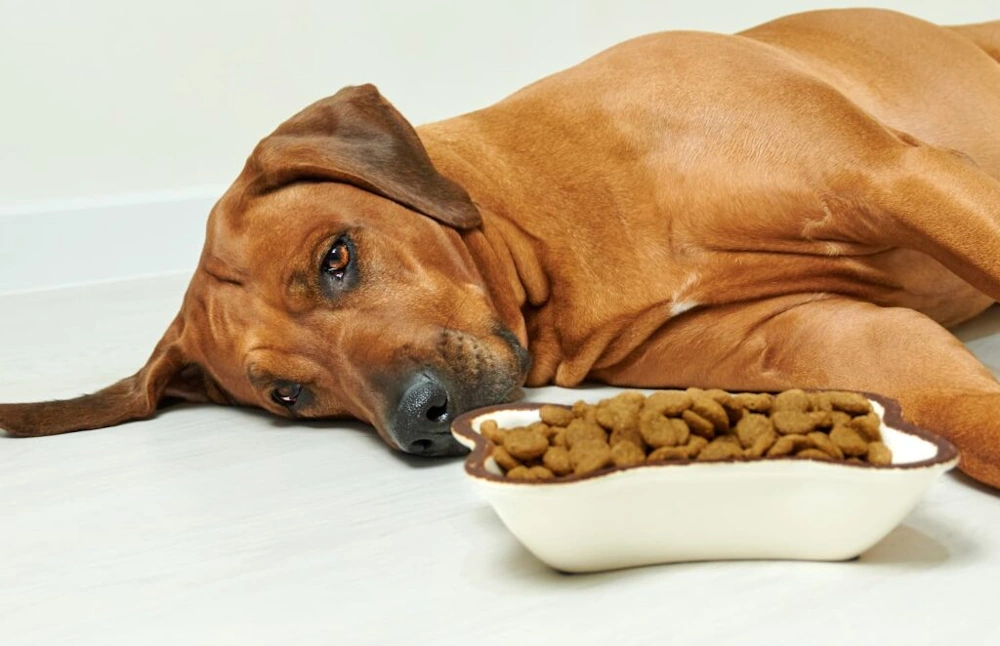
Your dog can’t tell you when their stomach hurts but their body certainly will. Digestive problems are among the most frequent reasons dog owners rush to the vet, and the numbers back this up: studies show that vomiting, diarrhea, and lack of appetite collectively account for nearly half of all digestive complaints in dogs seen at veterinary clinics. Understanding dog digestive problems before they escalate is one of the most practical things you can do as a pet owner. This guide walks you through the most common conditions, why they happen, and most importantly how to keep your dog’s gut in great shape for the long haul.
Key Takeaways
- Diarrhea, vomiting, constipation, and bloat are the most common dog digestive problems
- Diet changes, food allergens, stress, and infections are the primary triggers
- Probiotics, dietary fiber, and consistent meal routines significantly support dog gut health
- Knowing the warning signs that require immediate vet attention can be lifesaving
- Many digestive issues can be prevented through thoughtful feeding habits and regular wellness checks
- Key Takeaways
- What Are Dog Digestive Problems?
- Why Dog Digestive Health Matters More Than You Think
- The Most Common Dog Digestive Problems
- Warning Signs That Need Immediate Veterinary Attention
- How to Keep Your Dog's Tummy Healthy: Proven Tips
- Common Mistakes Dog Owners Make With Digestive Issues
- FAQ: Dog Digestive Problems
- Conclusion
- Explore More on FurryInSwag
What Are Dog Digestive Problems?
Dog digestive problems are any conditions that disrupt how a dog’s gastrointestinal tract processes, absorbs, or eliminates food. This includes acute issues like vomiting and diarrhea as well as chronic conditions like inflammatory bowel disease and food intolerance. The digestive system spans from the mouth to the colon, and dysfunction at any point can cause discomfort, nutrient deficiency, or serious illness.
Why Dog Digestive Health Matters More Than You Think
A dog’s gut doesn’t just handle digestion it’s the foundation of their immune system, energy levels, and even their mood. Research from the Dog Aging Project, which tracked over 43,000 dogs, found that gastrointestinal disease has a meaningful impact on quality of life and can signal underlying systemic conditions when left unaddressed.
When your dog’s digestive system is off, nutrients don’t absorb properly. That means a dog who’s eating plenty might still be running low on vitamins, proteins, and essential fats. Over time, chronic gut issues can lead to weight loss, dull coats, low energy, and a weakened immune response. A dog with a healthy gut is simply a happier, more resilient dog.
The Most Common Dog Digestive Problems
1. Diarrhea
Diarrhea is the single most searched dog health concern online, and for good reason it’s extremely common. Loose or watery stools can stem from dietary indiscretion (your dog eating something they shouldn’t), sudden food changes, bacterial infections, parasites, stress, or viral illnesses like parvovirus. Most mild cases resolve within 24–48 hours, but diarrhea that lasts longer, contains blood, or is accompanied by lethargy or vomiting needs a vet visit without delay.
2. Vomiting
Occasional vomiting after eating grass or gobbling food too fast isn’t usually alarming. Persistent vomiting, however, is a different story. Chronic or repeated vomiting can point to gastritis, pancreatitis, intestinal blockages, kidney disease, or food allergies. Pay attention to what’s in the vomit bile (yellow fluid) in the morning often signals an empty stomach issue, while undigested food may indicate the stomach isn’t emptying properly.
3. Constipation
While diarrhea gets most of the attention, constipation is also a real concern for dogs. Signs include straining to defecate, producing small hard stools, or going more than two days without a bowel movement. Common causes include dehydration, low dietary fiber, swallowed hair or bones, and lack of exercise. Older dogs and those on certain medications are particularly prone to constipation.
4. Bloat (Gastric Dilatation-Volvulus)
Bloat is one of the most serious and time-sensitive digestive emergencies in dogs. The stomach fills with gas and may twist on itself, cutting off blood flow. Large, deep-chested breeds like Great Danes, German Shepherds, and Dobermans face the highest risk. Symptoms include a visibly swollen abdomen, unproductive retching, restlessness, and rapid breathing. This is a veterinary emergency — if you suspect bloat, get to a clinic immediately.
5. Food Allergies and Intolerances
Chicken, beef, dairy, and eggs are the most frequently identified food allergens in dogs, according to research from Tufts University’s Cummings Veterinary Medical Center. Dogs with food sensitivities often show a combination of digestive and skin symptoms vomiting, loose stools, itchy skin, and recurring ear infections. Unlike a true allergy (immune-mediated), a food intolerance causes digestive upset without involving the immune system, but both warrant dietary adjustments.
6. Inflammatory Bowel Disease (IBD)
IBD is a chronic condition where the intestinal lining becomes persistently inflamed, disrupting nutrient absorption. It’s more common in middle-aged to older dogs and often requires a combination of dietary management and prescription medication. Symptoms mimic other digestive issues weight loss, chronic diarrhea, and intermittent vomiting which is why proper veterinary diagnosis is critical before assuming it’s something simpler.
Warning Signs That Need Immediate Veterinary Attention
Not every upset stomach warrants a vet trip, but some symptoms should never be waited out:
- Blood in vomit or stool (red or dark/tarry)
- Distended, hard, or painful abdomen
- Signs of dehydration dry gums, sunken eyes, lethargy
- Vomiting or diarrhea that persists beyond 24–48 hours
- Suspected ingestion of toxins (chocolate, grapes, raisins, onions, xylitol)
- Sudden collapse or inability to stand
When in doubt, call your vet. Dogs deteriorate fast, and early intervention consistently leads to better outcomes.
How to Keep Your Dog’s Tummy Healthy: Proven Tips
Feed a Consistent, High-Quality Diet
The single biggest lever you have over your dog’s digestive health is what you put in their bowl. Abrupt food changes are a leading cause of diarrhea whenever you switch foods, do it gradually over 7–10 days by mixing increasing amounts of the new food with the old. Look for dog foods that list a named protein source (chicken, salmon, lamb) as the first ingredient, and avoid products packed with artificial additives or low-quality fillers.
For dogs with a history of upset stomachs, a sensitive stomach dog food formulated with limited ingredients and easily digestible proteins can make a significant difference.
Add Probiotics and Prebiotics
Probiotics introduce beneficial bacteria into your dog’s gut, while prebiotics (found in ingredients like chicory root, bananas, and oats) feed those bacteria so they can thrive. The interest in probiotics for dogs has grown substantially among pet owners, and for good reason a balanced microbiome supports not just digestion but also immune function.
Ask your vet about a dog-specific probiotic supplement, particularly after antibiotic treatment, which can wipe out beneficial gut bacteria alongside the harmful ones.
Keep Fresh Water Available at All Times
Dehydration slows gut motility the rhythmic muscle contractions that move food through the digestive tract and is a primary driver of constipation. Dogs need access to clean, fresh water throughout the day. Active dogs, large breeds, and dogs eating dry kibble have higher hydration needs than average.
Manage Portions and Meal Frequency
Free-feeding (leaving food out all day) can contribute to overeating and digestive stress. Two measured meals per day work well for most adult dogs. Puppies typically need three smaller meals. Avoid exercising your dog immediately before or after eating, especially for large breeds, as vigorous activity around mealtimes increases the risk of bloat.
Reduce Stress
A dog’s gut is surprisingly sensitive to emotional stress. Changes in household routine, new pets, separation anxiety, or moves to a new home can all trigger episodes of diarrhea or vomiting. Maintaining consistent daily routines, providing mental enrichment, and using calming tools (puzzle feeders, safe spaces, vet-approved calming supplements) can protect your dog’s digestive equilibrium during stressful periods.
Schedule Regular Vet Checkups
Annual wellness exams allow your vet to catch early signs of digestive disease, check for intestinal parasites (especially important for dogs that spend time outdoors), and keep vaccinations like parvovirus up to date. Fecal tests are often recommended yearly to screen for worms and protozoa that can cause chronic gut issues without obvious symptoms.
Common Mistakes Dog Owners Make With Digestive Issues
Switching foods too quickly. Many owners swap foods overnight when a dog rejects a meal or has an upset stomach. This almost always makes things worse. Gradual transitions are non-negotiable.
Feeding human food scraps. Many common human foods are either directly toxic to dogs (grapes, onions, xylitol) or too rich and fatty for their digestive systems. Even “safe” table scraps can disrupt the gut microbiome over time.
Waiting too long to see the vet. Mild diarrhea at home? Reasonable to monitor for 24 hours. Blood in the stool, uncontrolled vomiting, or a swollen abdomen? That’s not a wait-and-see situation.
Giving human medications without vet guidance. Pepto-Bismol and other human antacids can be toxic to dogs. Always check with your vet before giving any over-the-counter medication.
Ignoring recurring mild symptoms. A dog that vomits “occasionally” or has loose stools “every few weeks” isn’t having bad days — that’s a chronic pattern worth investigating.
FAQ: Dog Digestive Problems
Conclusion
Dog digestive problems are common, but they’re rarely something you have to just accept. With the right diet, consistent feeding habits, proper hydration, and attention to your dog’s emotional wellbeing, most gut issues can be prevented or managed effectively. Watch for warning signs that go beyond a simple upset stomach, and don’t hesitate to loop in your vet they’re your best resource for getting to the root of chronic or recurring digestive issues.
Your dog’s tummy health is a window into their overall health. Take care of the gut, and you’re taking care of the whole dog.
Explore More on FurryInSwag
- how to stop dog pulling on leash — practical techniques to stop pulling for good.
- how brain training games can fix aggressive dog behavior — how brain games specifically address reactive and aggressive behaviour.
- best puzzle toys for smart dogs — our top picks for dogs at every intelligence level.
- how to train a stubborn dog without punishment — force-free methods that work even on the most resistant dogs.
- Is Brain Training for Dogs worth it? — our full breakdown of the program, cost, and what to expect.
Last Updated on March 28, 2026 by Sunil Kandari

Sunil Kandari
Sunil Kandari is a WordPress Developer and Content Writer with expertise in building high-performance websites and creating SEO-friendly content. He focuses on clean design, user experience, and practical strategies that help businesses grow online. Passionate about technology, he continuously explores new tools and trends to deliver better digital solutions.