
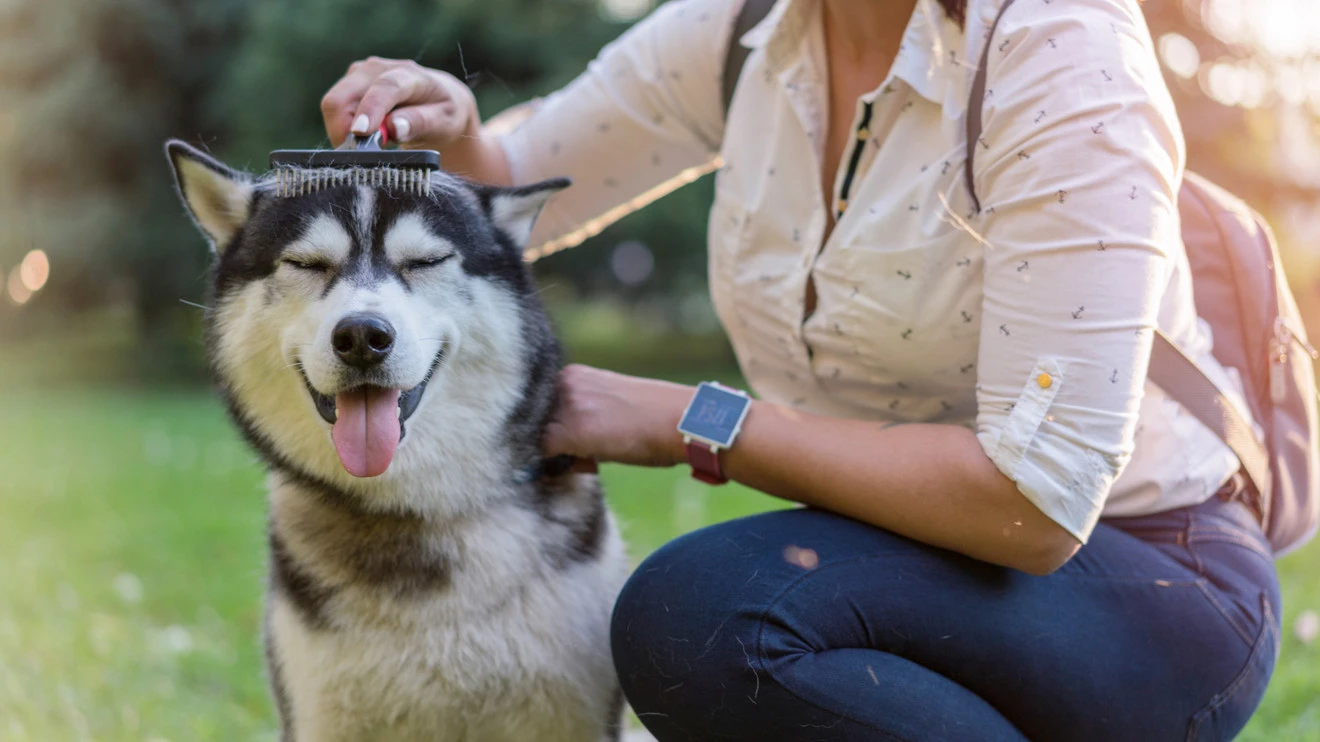
Dog hair on the sofa. Dog hair on your work blazer. Dog hair in your coffee, somehow. If you share your home with a shedding dog, this is life. But knowing how to control dog shedding can genuinely transform your living situation, not by eliminating shedding, which is biologically impossible, but by managing it so effectively that it stops running your life.
The good news: most excess shedding is controllable at home with the right tools, diet adjustments, and grooming routine. This guide covers 10 proven strategies, from daily brushing techniques to dietary additions that support coat health from the inside out.
Key Takeaways
- You cannot stop shedding entirely, but you can reduce it by 50 to 80 percent with consistent effort
- Regular brushing is the single most effective shedding control strategy
- Diet quality directly impacts coat health and shedding frequency
- Omega-3 fatty acids from fish oil or olive oil are among the most effective coat supplements
- Excessive shedding can signal an underlying health issue; always consult a vet if it seems abnormal
What Is Dog Shedding?
Dog shedding is the natural process by which a dog’s coat releases old, damaged, or dead hair to make room for new growth. All dogs shed to some degree, including breeds marketed as ‘hypoallergenic,’ which shed minimally rather than not at all. The frequency and volume of shedding depends on breed genetics, coat type (single vs. double layer), season, diet, and overall health.
Why Managing Shedding Matters
Beyond the obvious housekeeping challenges, unmanaged shedding can signal nutritional deficiencies, stress, parasites, or underlying medical conditions. A dog that sheds excessively may also experience skin irritation, matting, and discomfort. Regular grooming that controls shedding is not just about your furniture — it is a genuine health practice for your dog.
10 Proven Ways to Control Dog Shedding
1. Brush Regularly – and Choose the Right Tool
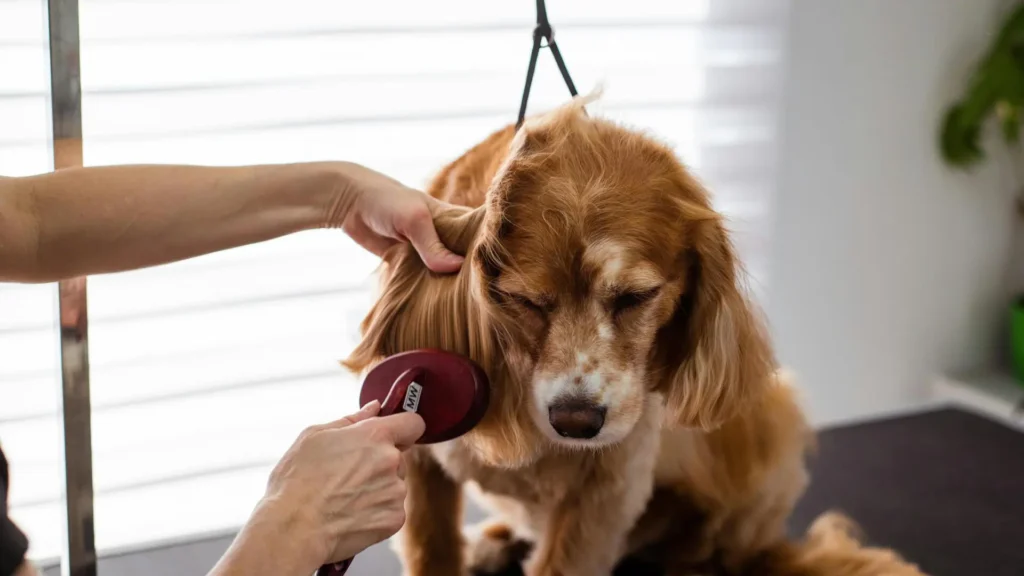
Brushing is the cornerstone of shedding control. When you brush your dog, you remove dead hair before it falls onto your floors and furniture. Heavy shedders benefit from daily brushing; lighter shedders can be brushed every 2 to 3 days. The key is choosing the right brush for your dog’s coat type:
- Slicker brush: Best for medium to long coats prone to matting
- Rubber curry comb: Excellent for short-haired breeds and general massage
- De-shedding tool (like the FURminator): Designed to reach the undercoat on double-coated breeds
- Wire pin brush: Ideal for curly or woolly coats
Using the wrong brush type can miss the undercoat entirely or, worse, cause skin irritation. Match the tool to the coat.
2. Bathe Your Dog on a Regular Schedule
Bathing loosens and removes dead hair from the coat, making it far easier to brush out afterward. The Animal Humane Society recommends bathing dogs every 2 to 4 months under normal circumstances, unless your vet advises differently. Never use human shampoo, it disrupts a dog’s skin pH and can worsen shedding by drying out the skin.
De-shedding shampoos are worth considering for heavy shedders. They typically contain moisturizing omega-3 and omega-6 fatty acids that hydrate skin and help detangle dead hair from healthy hair, making post-bath brushing far more effective.
3. Add Omega-3 Fatty Acids to Their Diet
Omega-3 fatty acids are arguably the most evidence-backed dietary supplement for coat health in dogs. Fish oil, flaxseed oil, and olive oil all contain omega-3 that conditions skin, reduces inflammation, and strengthens hair follicles, directly reducing excess shedding. A tablespoon of olive oil added to your dog’s food daily is a low-cost, practical starting point. Fish oil capsules formulated for dogs are another option, though the smell may take some getting used to.
Always consult your veterinarian before starting supplements, particularly if your dog has any existing health conditions.
4. Feed a High-Quality, Protein-Rich Diet
A dog’s coat is a direct reflection of what they eat. Foods high in digestible protein, omega-3 fatty acids, and vitamins A, E, and biotin support strong hair follicles that are less prone to breakage and premature shedding. Look for dog foods where real meat, such as chicken, salmon, or beef, appears as the first ingredient, and avoid formulas heavy in fillers, corn syrup, or artificial preservatives.
Switching to a higher-quality food can produce visible coat improvements within 6 to 8 weeks.
5. Keep Your Dog Hydrated
Dehydration causes dry skin, and dry skin causes excessive shedding. This connection is frequently overlooked. Ensure your dog always has access to fresh, clean water. Some dogs drink more enthusiastically from a pet fountain than a static bowl, a small investment that pays off in coat health.
6. Use a De-Shedding Tool for Double-Coated Breeds
Standard brushes often cannot reach the dense undercoat on breeds like Huskies, German Shepherds, or Golden Retrievers. De-shedding tools with stainless steel tines are specifically designed to reach through the top coat and remove loose undercoat hair before it is shed. Used carefully, with not too much pressure and not in the same area repeatedly, they can dramatically reduce the volume of shed hair in your home.
7. Control Fleas and Parasites
Flea bites cause intense itching that leads to excessive scratching, which directly loosens and removes hair. Maintaining monthly parasite prevention medication is not just good health practice, it is a legitimate shedding control strategy. If you notice your dog scratching in specific areas alongside increased shedding, a vet visit to check for parasites is warranted.
8. Manage Seasonal Shedding Proactively
Most double-coated dogs shed their undercoat heavily in spring (transitioning from winter coat) and again in autumn (preparing for winter growth). During these ‘coat blow’ periods, daily brushing becomes essential rather than optional. Professional grooming during these transitions can remove the bulk of the shed undercoat efficiently, reducing the weeks-long hair avalanche that otherwise follows.
9. Address Stress and Anxiety
Psychological stress causes elevated cortisol in dogs, which disrupts normal hair growth cycles and increases shedding. Dogs going through major transitions, such as a new home, a new baby, or schedule changes, often shed more heavily. Regular exercise, consistent routines, and enrichment activities help manage stress-related shedding. For dogs with severe anxiety, consult your vet about behavioral support options.
10. Schedule Regular Vet Check-Ups
Excessive or sudden changes in shedding patterns can indicate thyroid imbalance, hormonal disorders, nutritional deficiencies, fungal infections, or allergies. If your dog’s shedding seems abnormal, such as hair loss in patches, bald spots, or inflamed skin, a vet visit is the right next step before trying home remedies. Treating the underlying cause resolves the shedding far more effectively than grooming interventions alone.

Home Remedies for Dog Shedding
Several effective approaches require nothing beyond what most pet owners already have at home:
- Olive oil in food: 1 tablespoon daily adds omega-3 for coat conditioning
- Oatmeal shampoo baths: Sooths itchy skin and loosens dead hair without harsh chemicals
- Dryer sheets on baseboards: The residue prevents shed hair from sticking , a useful housekeeping trick
- Regular vacuuming schedule: Removing shed hair immediately prevents it from embedding in upholstery
Common Mistakes to Avoid
- Over-bathing more than once per month strips essential coat oils and worsens shedding
- Using the wrong brush type, which misses the undercoat entirely
- Applying too much pressure with de-shedding tools, causing skin micro-abrasions
- Ignoring diet quality and only addressing shedding through grooming
- Skipping vet checks when shedding seems abnormally heavy or patchy
Frequently Asked Questions
Conclusion
Learning how to control dog shedding is ultimately about building a consistent routine: the right brush, a quality diet, regular baths, and attention to your dog’s overall health. None of these steps are complicated, but they compound meaningfully over time. A dog on a good grooming routine sheds less, looks healthier, and is more comfortable.
Last Updated on April 7, 2026 by Sunil Kandari

Sunil Kandari
Sunil Kandari is a WordPress Developer and Content Writer with expertise in building high-performance websites and creating SEO-friendly content. He focuses on clean design, user experience, and practical strategies that help businesses grow online. Passionate about technology, he continuously explores new tools and trends to deliver better digital solutions.