

Bringing a new puppy home is one of the most joyful experiences a person can have. The excitement of picking out a cozy bed, a fun leash, and adorable toys is real and well deserved. But when it comes to feeding your new furry family member, things can feel a little more serious. With dozens of brands, hundreds of formulas, and a flood of marketing claims on every bag, choosing the right puppy food can feel overwhelming.
- Why Puppy Food Is Different from Adult Dog Food
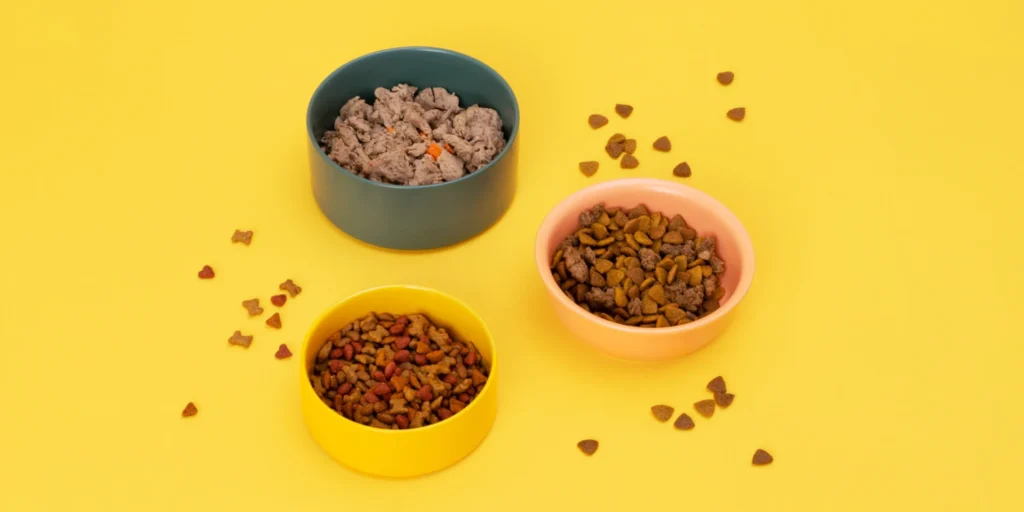
- Key Nutrients to Look for in Puppy Food
- Grain Free vs. Healthy Grains: What Should You Choose?
- Dry Food, Wet Food, or Both?
- Breed Size Matters More Than You Think
- How Much and How Often Should You Feed Your Puppy?
- A Word About Treats
- When to Switch Your Puppy to Adult Dog Food
- Final Thoughts
- FAQ
The good news is that once you understand what your puppy actually needs, the decision becomes much simpler. This guide will walk you through everything from key nutrients and ingredients to feeding schedules and breed specific considerations, so you can feel confident every time you fill your puppy’s bowl.
Why Puppy Food Is Different from Adult Dog Food
One of the first things every new pet parent must understand is that puppies are not just small adult dogs. Their bodies are working overtime. They are building bone, developing muscle, strengthening their immune systems, and fueling explosive bursts of energy, often all in the span of a single afternoon.
Puppy food is specially formulated to support all of this rapid development. Compared to adult dog food, puppy formulas generally contain higher levels of protein, fat, calcium, phosphorus, and key fatty acids. These nutrients work together to help your pup grow at a healthy rate without any nutritional gaps that could affect long term health.
Feeding an adult formula to a growing puppy means they may miss out on vital nutrients they need during their most critical developmental window. So the very first step in choosing puppy food is making sure the label clearly says it is formulated for puppies or for all life stages.
Key Nutrients to Look for in Puppy Food
Reading a puppy food label for the first time can feel like learning a new language. Here are the most important nutrients to look for and why they matter:
High Quality Protein
Protein is the foundation of your puppy’s diet. It supports muscle growth, tissue repair, and provides the energy your pup needs to run, jump, and explore. Look for a named animal protein such as deboned chicken, real beef, or salmon as the very first ingredient on the label. This tells you what the food is primarily made of and reflects the quality of the recipe.
DHA for Brain and Vision Development
DHA, which is an Omega 3 fatty acid, plays a critical role in the development of your puppy’s brain and eyesight. Many high quality puppy foods include fish or fish oils as a natural source of DHA. This ingredient is especially important during the first year of life when neurological development is at its peak.
Calcium and Phosphorus
Bone development depends on the right balance of calcium and phosphorus. Too much or too little of either mineral can lead to skeletal problems as your puppy grows. A properly formulated puppy food will include these minerals in the correct ratio, which is something you do not have to calculate yourself as long as you choose a trusted, complete, and balanced formula.
Omega Fatty Acids for Skin and Coat
Beyond brain health, Omega 3 and Omega 6 fatty acids support healthy skin and a shiny coat. If your puppy tends to scratch or has dull fur, the food you choose can make a visible difference. Look for ingredients like flaxseed, fish oil, or sunflower oil to ensure an adequate supply of these essential fats.
Glucosamine and Chondroitin
Joint health may not be the first thing that comes to mind with a bouncy young puppy, but laying the groundwork early makes a real difference. Glucosamine and chondroitin support cartilage and joint function, helping your pup stay comfortable and active well into adulthood.
Grain Free vs. Healthy Grains: What Should You Choose?
One of the most common debates among pet parents is whether to choose a grain free formula or one that includes healthy grains. The honest answer is that both can be excellent choices, and the decision often comes down to your puppy’s individual needs and your own preferences.
Grain free puppy foods typically use alternative carbohydrate sources like sweet potatoes or lentils. These formulas are a great option for puppies with certain food sensitivities. On the other hand, healthy grain options that include ingredients like brown rice or oatmeal provide fiber, B vitamins, and steady energy release throughout the day.
Unless your veterinarian has identified a specific grain allergy or intolerance, either option can work beautifully for most puppies. The most important thing is that the formula meets the nutritional standards set by the Association of American Feed Control Officials, commonly known as AAFCO.
Dry Food, Wet Food, or Both?
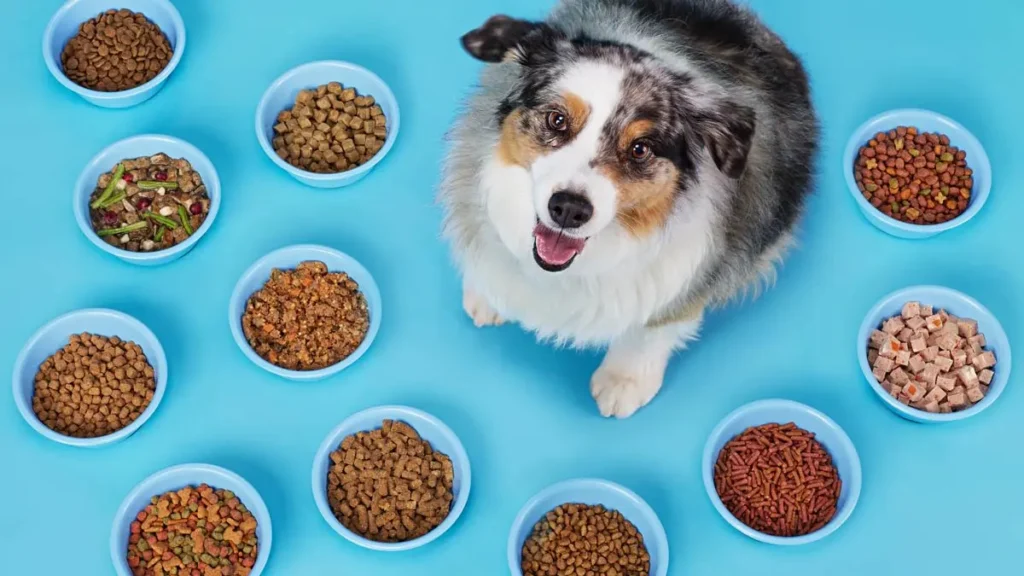
Another common question among new puppy parents is whether to feed dry kibble, wet food, or a combination of both. Again, there is no single right answer, and each format has its own advantages.
Dry kibble is convenient, easy to measure, and can help support dental health by reducing tartar buildup. Wet food, on the other hand, is often more palatable for picky eaters and adds moisture to your puppy’s diet, which supports healthy digestion and hydration. For very young puppies who are just transitioning from their mother’s milk, moistening dry food with warm water can make the shift to solid meals much easier.
Some pet parents choose to offer a mix of both, which gives puppies a variety of textures and can keep mealtimes exciting. If you do combine wet and dry food, make sure you are accounting for the total calorie intake across both types to avoid overfeeding.
Breed Size Matters More Than You Think
A Great Dane puppy and a Chihuahua puppy may both be growing fast, but they are doing so in very different ways. Large and giant breed puppies are at risk of growing too quickly if fed a diet too high in calories and certain minerals, which can place stress on developing joints and bones. Small breed puppies, on the other hand, have a faster metabolism and may need more calorie dense food served in smaller, bite sized portions.
If you have a small breed puppy, look for formulas specifically designed with smaller kibble sizes and appropriate calorie density for tiny but energetic dogs. For large breed puppies, choose a food labeled for large breed growth, as these are formulated to support a slower, steadier growth rate that protects joint and bone health over time.
How Much and How Often Should You Feed Your Puppy?
Young puppies have small stomachs but high energy demands, which means they need to eat frequently. Most puppies between two and six months old do best with three to four meals per day. After six months, you can generally transition to two meals per day, which is a schedule many adult dogs follow throughout their lives.
The exact amount to feed will depend on your puppy’s weight, breed, and activity level. Most puppy food packaging includes a feeding guide based on weight, and this is a good starting point. However, every puppy is an individual. Work closely with your veterinarian to adjust portions as your puppy grows and to make sure their weight stays in a healthy range.
A Word About Treats
Treats are a wonderful tool for training and bonding with your new puppy. But they should always be given in moderation. As a general rule, treats should make up no more than ten percent of your puppy’s total daily calorie intake. Overfeeding treats, even healthy ones, can tip the calorie balance and lead to unwanted weight gain.
Choose treats that are made with wholesome ingredients and are appropriately sized for your puppy’s mouth. Breaking larger treats into smaller pieces is a smart way to reward your pup generously during training sessions without overloading their calorie budget for the day.
When to Switch Your Puppy to Adult Dog Food
Puppies do not stay puppies forever, and at some point you will need to make the transition to adult dog food. For most breeds, this happens around one year of age. However, large and giant breeds may benefit from staying on a puppy or growth formula until they are 18 to 24 months old, since they take longer to fully mature.
When the time comes to switch, do it gradually over the course of one to two weeks by slowly blending in the adult food while reducing the puppy food. This gentle transition helps your dog’s digestive system adjust without causing upset stomachs or loose stools. Always consult your veterinarian to determine the right timing for your specific breed and dog.
Final Thoughts
Choosing the right puppy food is one of the most important decisions you will make as a new pet parent. The food your puppy eats during their early months sets the foundation for their health, energy, and happiness for years to come. Look for a formula that lists a real, named protein as the first ingredient, meets AAFCO nutritional standards, and is appropriate for your puppy’s size and life stage.
Do not be afraid to ask your veterinarian for guidance, especially if your puppy has any special health needs or sensitivities. With the right food in the bowl, your pup will have everything they need to grow up strong, healthy, and full of the kind of joy that only a well fed puppy can bring.
FAQ
Last Updated on April 16, 2026 by Sunil Kandari

Sunil Kandari
Sunil Kandari is a WordPress Developer and Content Writer with expertise in building high-performance websites and creating SEO-friendly content. He focuses on clean design, user experience, and practical strategies that help businesses grow online. Passionate about technology, he continuously explores new tools and trends to deliver better digital solutions.