
Cold air does not just chill your dog. It dries out the skin, makes the coat brittle, and cracks the paw pads. Add a room heater or two, and the air indoors gets just as thirsty.
Table of Contents
Most owners respond by cutting back on grooming, because it is cold and baths feel like a hassle. That is the wrong move. These winter dog grooming tips show you what to change, what to keep, and what to skip, so your dog stays warm, comfortable and itch-free until spring.
Key Takeaways
- Keep brushing all winter. It clears dead hair, prevents mats and spreads natural skin oils.
- Bathe less often and use a moisturizing, pet-safe shampoo. Too many baths strip protective oils.
- Wipe or rinse paws after every walk, check the pads for cracks, and trim hair between the pads on long-haired dogs.
- Never trim the coat too short just because it looks tidy. Ask your vet or groomer what suits your dog’s breed.
- Persistent itching, flaky patches, redness or cracked paws need a vet, not a home remedy.
What Is Winter Dog Grooming?
Winter dog grooming is a cold-season care routine that protects your dog’s coat, skin and paws from dry air, damp fur and rough surfaces. It combines regular brushing, fewer and gentler baths, paw care, and a careful trim, adjusted to your dog’s breed and coat length.
Why Winter Dog Grooming Matters
Winter skin trouble starts quietly. According to VCA Animal Hospitals, cold, dry air can irritate pets’ skin, and bathing too often in these months strips the oils that protect it. PetMD’s veterinary guidance adds that winter dryness also hits paws and noses, which is why moisturizing shampoos and protective balms earn their place.
Then there are mats. Coastal Pet’s grooming guide explains that tangles hold moisture against the skin, and that can lead to hot spots and bacterial infections. A matted coat is a damp, cold coat, which defeats the purpose of fur.
Grooming also gives you a regular excuse to run your hands over your dog. That is how you find a lump, a sore pad or a patch of dry skin early.
How Often Should You Groom Your Dog in Winter?
Brush year-round. PetMD’s veterinarian-reviewed advice is to keep brushing through winter, and to ask your vet how often your own dog needs a professional groom. Shedding breeds may need more frequent groomer visits so loose undercoat does not tangle.
As a rough guide, brush short-coated dogs a few times a week, and long-coated or double-coated dogs most days. Baths can stay on your normal schedule or stretch a little longer, as long as you switch to a gentler shampoo.
How to Groom Your Dog in Winter: Step by Step
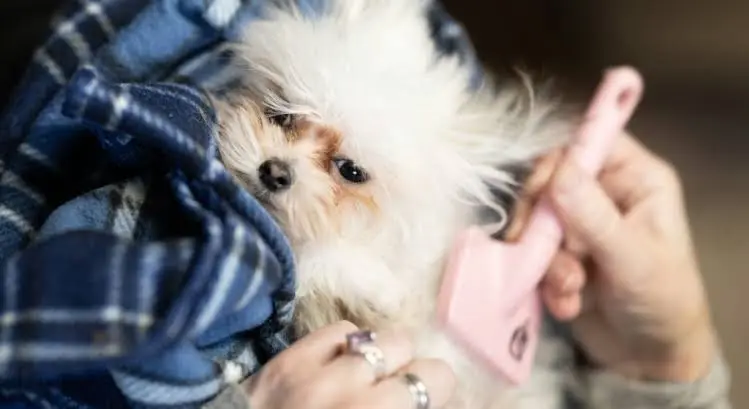
- Brush thoroughly first. Use a slicker brush on long and double coats and a soft brush or grooming mitt on short coats. Brushing removes dead hair and skin, helps prevent mats and skin infections, and spreads natural oils through the coat.
- Look for mats straight away. Check behind the ears, under the collar, and around the armpits and legs. A mat caught early is a quick fix. One left for weeks becomes painful to remove, so ask your vet or groomer for help rather than cutting close to the skin.
- Bathe less, and use a gentler shampoo. Bathing too often removes natural oils and causes irritation, so stretch the gap between baths if your dog’s skin looks dry. Choose a shampoo made for dogs. PetMD recommends oatmeal-based formulas, which soothe and hydrate dry winter skin.
- Dry your dog completely. Use lukewarm water in a warm room, rinse every trace of shampoo, then towel dry well. Finish with a hairdryer on a low, warm setting if your dog tolerates it. Never send a damp dog out into cold air.
- Take care of the paws. Wipe or rinse paws after every walk, and check the pads for cracks and redness. The Ontario SPCA recommends washing paws even in winter so dogs do not lick off whatever they picked up outside. Long-haired dogs benefit from a trim of the hair between the pads.
- Moisturize dry spots. A vet-approved balm on paw pads, elbows and other dry spots can ease cracking. Apply a thin layer before walks, and wipe off any excess so your dog does not lick it all away.
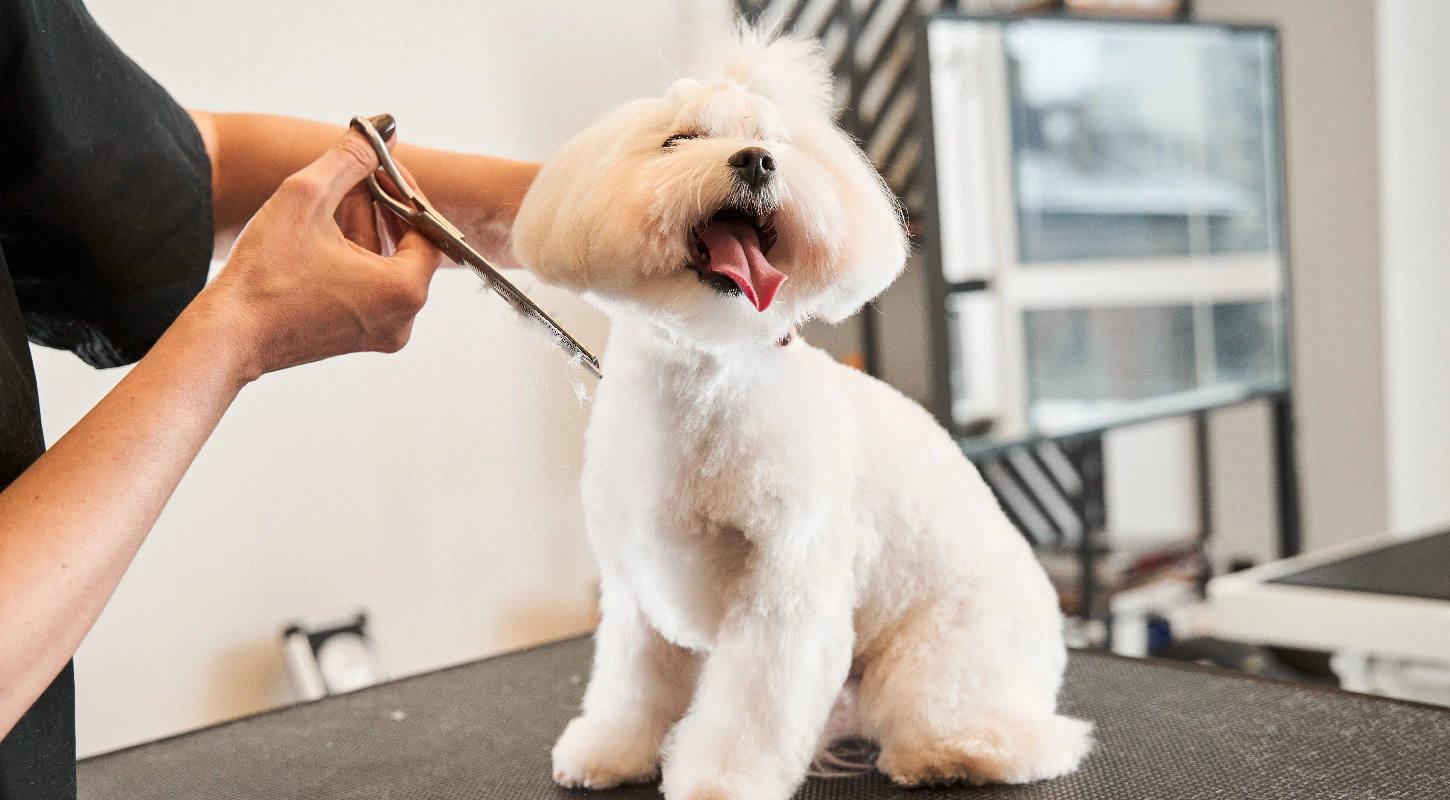
- Trim with care. Shorter hair can dry faster, which PetMD notes may help, but cutting too short can leave a dog cold. Ask your vet or groomer for a trim length that suits your dog.
Winter Grooming for Different Coat Types
Short-coated dogs
Short fur does not mean no grooming. VioVet points out that regular brushing still removes dead skin cells, dirt and grime, even on short-haired dogs. These dogs also feel the cold faster, so keep baths brief and dry them thoroughly.
Double-coated and heavy-shedding dogs
Dogs with a dense undercoat shed in clumps, and trapped dead hair holds moisture. More frequent brushing, and a groomer visit when needed, keeps the coat working as insulation instead of a tangle.
Long-coated and small dogs
Breeds with silky or fluffy hair, such as Shih Tzus and Pomeranians, mat easily when fur is damp or rubbed by clothing. Brush before putting on a sweater, and never dress a damp dog. Our guide to Best Fabrics for Dog Clothes explains which materials stay breathable and gentle on the coat.
Feed the Coat From the Inside
Skin quality starts in the bowl. VioVet lists a good diet, proper hydration and regular grooming among the main factors in keeping a winter coat healthy, and omega-3 fatty acids are often recommended for skin and coat. Ask your vet before adding any supplement, because the right dose depends on your dog’s size and health.
Keep a bowl of fresh water within reach. Dry indoor air makes dogs lose moisture just as it does us.
Winter Grooming Kit: What You Actually Need
| Tool | What it does | When to use it |
| Slicker brush or mitt | Removes dead hair, loosens tangles, spreads oils | Brush before every bath and after walks |
| Oatmeal dog shampoo | Cleans while soothing dry skin | Baths, spaced further apart than usual |
| Soft, absorbent towels | Dries the coat and paws quickly | After every bath and wet walk |
| Vet-approved paw balm | Softens and protects cracked pads | Before walks, and on dry elbows |
| Pet-safe wipes | Cleans paws and legs without a full bath | After each walk |
| Nail clippers or grinder | Keeps nails short for better footing and comfort | Regularly, as your vet or groomer advises |
Grooming Is Done. What About Winter Walks?
Clean, dry paws still need protection outside. If walks start before sunrise or after dark, our list of the 9 Best Dog Accessories for Winter Walks covers the warm and visible gear worth having.
Back home, give your freshly groomed dog somewhere dry and soft to settle. A washable mat does the job, and our guide to 8 Ways to Use a Dog Mat at Home, in the Car and on Trips shows how many places it earns its spot.
Welcoming a puppy this winter? Start gentle handling of paws and ears early, and see 9 Things Every New Puppy Needs at Home for the full starter list.
When Dry Skin Is Something More
Mild flakiness is normal in winter. These signs deserve a vet visit:
- Constant scratching, licking or chewing at the skin
- Red, inflamed or crusty patches, or visible dandruff that does not clear up
- Cracked, bleeding or sore paw pads
- Mats you cannot work out gently
- Slow movement, stiffness or limping, which can be a sign of joint trouble in cold weather
Frequently Asked Questions
How often should I bathe my dog in winter?
Most dogs need fewer baths in winter, not zero. Over-bathing strips natural oils and dries the skin, so stretch the time between baths, use a moisturizing dog shampoo, and ask your vet about the right schedule for your dog.
Should my dog’s coat be longer in winter?
Usually yes, within reason. A healthy, well-brushed coat insulates, but a very long coat that mats does the opposite. Ask your vet or groomer for a trim that keeps your dog warm and tangle-free.
How do I treat dry, itchy skin on my dog in winter?
Brush regularly, bathe less, use an oatmeal or moisturizing dog shampoo, and keep your dog’s diet balanced. If itching or flaking continues, see your vet to rule out allergies or infection.
Do short-haired dogs need grooming in winter?
Yes. Regular brushing removes dead skin and dirt even on short coats, and short-haired dogs need extra care drying after baths because they lose body heat faster.
Final Thoughts on Winter Dog Grooming
Good winter dog grooming comes down to a few steady habits: brush often, bathe gently, dry fully, protect the paws, and trim with care. None of it takes long, and your dog will thank you with a softer coat and no midnight scratching.
Want to make the season cozier? Explore FurryInSwag’s collars, bandanas and dog mats, and give your freshly groomed dog a warm, dry spot to curl up in.