
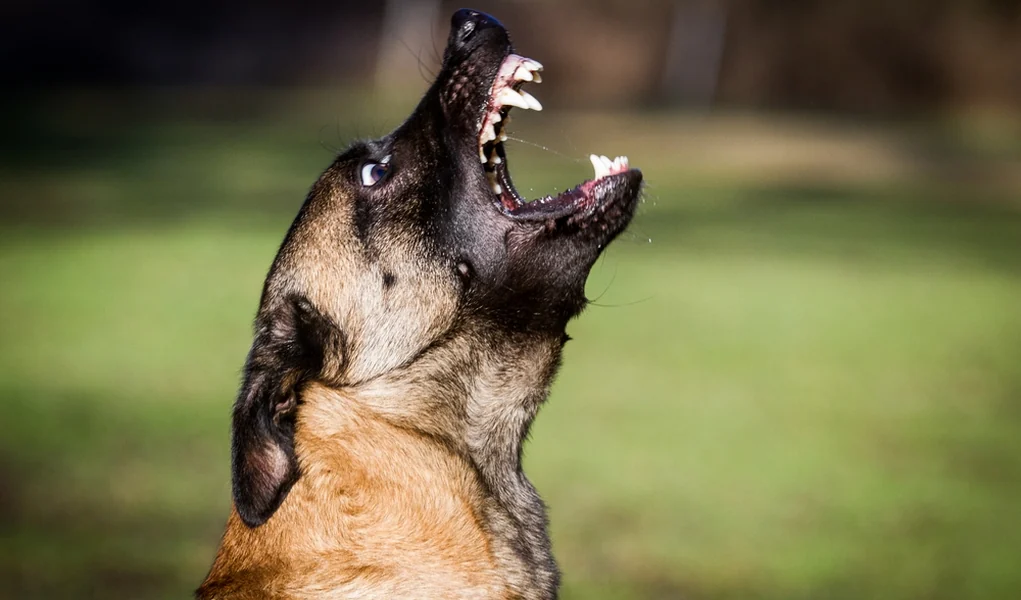
Look up the most aggressive dogs in the world and you will see the same breeds on every list. Pit Bulls. Rottweilers. Dobermans.
But the research tells a more surprising story. Some of the dogs most likely to bite are small enough to carry in a bag. And the breeds that hurt people the most are not always the ones that bite the most.
Table of Contents
Here are ten breeds that often make these lists, why they do, and what really decides how a dog behaves.
Key Takeaways
- Breed lists mix two things: how often a dog bites, and how badly it hurts when it does.
- A 2008 University of Pennsylvania study found that small breeds like Dachshunds and Chihuahuas are often reported as aggressive.
- Big dogs cause more serious injuries, so they get more attention in the news.
- Training, socialization, health and care matter more than breed alone.
- Learning a dog’s warning signs keeps you safer than fearing a breed name.
What Is Aggression in Dogs?
Dog aggression means behavior meant to keep someone away or cause harm. This includes growling, lunging, snapping and biting. It usually comes from fear, pain, guarding something, or strong hunting instincts. It is not a fixed trait, and it can change with age, health and surroundings.
Why Most Aggressive Dogs in the World Lists Can Mislead
Before the list, you should know why these rankings are not perfect.
- Breed is often guessed. Without a DNA test, bite reports rely on what a witness or officer thinks the breed was. Mixed dogs are easy to mislabel.
- Popular breeds appear more. A common breed will show up in more reports simply because there are more of them.
- Serious injuries get noticed. A German Shepherd bite sends more people to the hospital than a Chihuahua bite, so big dogs make the headlines.
So breed does matter, but it is only part of the story.
The 10 Breeds Most Often Named
I have grouped them in two ways: breeds known for powerful bites, and breeds that owners often report as aggressive. Each dog gets a short profile so you can see where it comes from and what living with it is really like.
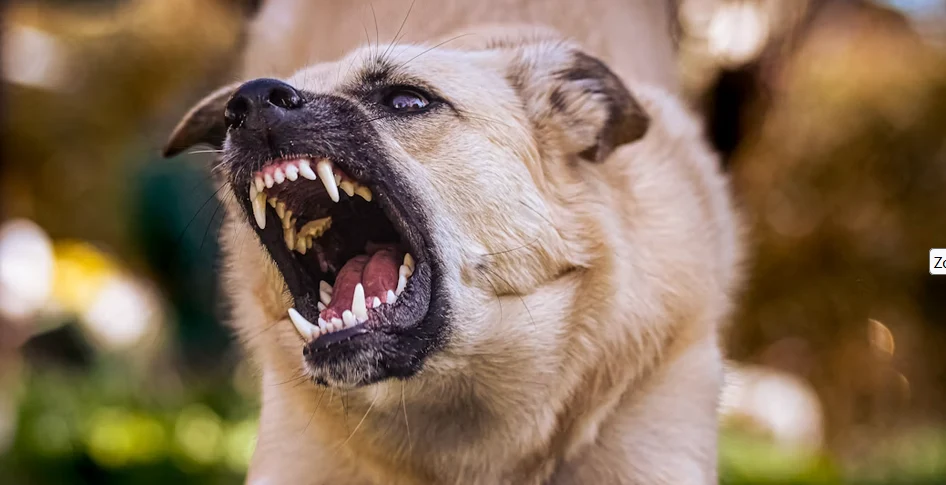
Group 1: Powerful breeds. These dogs make the list because of their size, strength and bite force.
1. American Pit Bull Terrier
Origin: United States | Size: Medium, roughly 30–65 pounds | Known for: Strength and loyalty
Background. The breed grew out of old English bulldogs and terriers brought to America in the 1800s. It was first bred for dog fighting, which still shapes its reputation today. Later it became a popular family and farm dog.
Why it is on the list. “Pit bull” covers many breeds and mixes, so the numbers are hard to trust. In the Penn study, more than 20% of Pit Bull Terriers showed serious aggression toward unfamiliar dogs. The problem is mostly other dogs, not people.
Living with one. Needs plenty of exercise and careful introductions to other dogs. Keep it on a leash in public. Some cities and countries have rules or bans on this breed, so check local laws first.
2. Rottweiler
Origin: Germany | Size: Large, roughly 80–135 pounds | Known for: Power and loyalty
Background. Named after the German town of Rottweil, these dogs drove cattle to market and guarded the money their owners carried. Today they work as guard dogs, police dogs and family pets.
Why it is on the list. Rottweilers are big, strong and protective. A bite from a dog this size can cause serious injury, so they get more attention than smaller breeds.
Living with one. Needs calm, firm training from puppyhood and lots of social experience. A bored, untrained Rottweiler can become a real problem. A well-raised one is steady and affectionate.
3. Doberman Pinscher
Origin: Germany | Size: Large, roughly 60–100 pounds | Known for: Speed and intelligence
Background. In the 1890s, a German tax collector named Louis Dobermann wanted a loyal, fearless dog to protect him on his rounds. He bred the first Dobermans for that job. Today they serve as police, military and service dogs.
Why it is on the list. Dobermans are very alert and can be wary of strangers. Trouble usually starts when a Doberman is scared, poorly socialized or left alone for long hours.
Living with one. This is a “velcro” breed that wants to be near its people. It needs daily exercise, mental games and early meetings with many different people.
4. German Shepherd
Origin: Germany | Size: Large, roughly 50–90 pounds | Known for: Intelligence and working skill
Background. Captain Max von Stephanitz developed the breed around 1899 as the perfect herding and working dog. Since then, German Shepherds have become police dogs, search-and-rescue dogs and guide dogs all over the world.
Why it is on the list. It is one of the most popular breeds, so it appears in many bite reports. It is also strong, protective and smart. When a Shepherd turns aggressive, it is often a clever dog with no training or job.
Living with one. Give it daily exercise and real tasks, like training games and scent work. Socialize it early and keep it on a leash around strangers until you know how it reacts.
5. Akita
Origin: Japan | Size: Large, roughly 70–130 pounds | Known for: Dignity and loyalty
Background. Akitas come from the mountains of northern Japan, where they hunted bears and guarded homes. In Japan the breed is a symbol of loyalty and good luck.
Why it is on the list. Akitas are devoted to family but distant with strangers. In the Penn study, more than 20% showed serious aggression toward unfamiliar dogs.
Living with one. Akitas often do best as the only dog in the home. They need a confident, experienced owner and lots of early socialization. This is not a good first dog.
6. Dogo Argentino
Origin: Argentina | Size: Large, roughly 80–100 pounds | Known for: Muscle and hunting drive
Background. A doctor named Antonio Nores Martinez created this white, muscular breed in the 1920s. He wanted a brave pack hunter that could chase wild boar and puma through rough country.
Why it is on the list. The Dogo is extremely strong and has a high chase instinct. Because of this, several countries restrict or ban it.
Living with one. Only for experienced owners who can offer firm, consistent training, daily hard exercise and a secure yard. It is rarely a good match for homes with small pets or young children.
Group 2: Breeds owners often report as aggressive. These dogs are smaller, so their bites cause less harm, but owners report aggression often.
7. Dachshund
Origin: Germany | Size: Small, about 16–32 pounds (miniatures are smaller) | Known for: Long body and bold attitude
Background. The name means “badger dog” in German. Dachshunds were bred to go into burrows and face badgers, which takes a lot of courage.
Why it is on the list. In the Penn survey, Dachshunds ranked at the top for bites or bite attempts toward strangers and owners. Their small size means the damage is usually minor, so it rarely makes the news.
Living with one. Stubborn but smart. Use treats and patience in training. Their long backs are easily hurt, so do not let them jump from sofas or stairs.
8. Chihuahua
Origin: Mexico | Size: Tiny, usually under 6 pounds | Known for: Big personality in a small body
Background. The breed is named after the Mexican state of Chihuahua. It is one of the oldest dog breeds in the Americas and is the smallest in the world.
Why it is on the list. Chihuahuas often react out of fear. Many are carried everywhere and never taught manners, so growling and snapping become habits that owners overlook.
Living with one. Treat it like a real dog, not a toy. Let it walk, meet people calmly, and learn basic commands. Handle it gently, because rough handling makes fear worse.
9. Jack Russell Terrier
Origin: England | Size: Small, roughly 13–17 pounds | Known for: Endless energy
Background. A fox-hunting clergyman named Reverend John Russell developed this terrier in the 1800s. It had to run all day, follow foxes into dens and never back down.
Why it is on the list. In the Penn study, Jack Russells ranked among the top breeds for serious aggression toward both strangers and owners. They are fearless and quick to react.
Living with one. Needs long daily exercise and plenty of mental work. A bored Jack Russell will dig, bark and nip. Training should start early and stay consistent.
10. Chow Chow
Origin: China | Size: Medium, roughly 45–70 pounds | Known for: Lion-like coat and blue-black tongue
Background. This is one of the oldest breeds in the world. In China, Chow Chows were used for hunting, pulling sleds and guarding homes.
Why it is on the list. Chows are quiet, proud and very protective of their family. They can be suspicious of strangers and territorial about their space.
Living with one. Start socialization early and keep it patient. Their thick double coat needs regular brushing. They tend to be independent, so training works best when it is calm and consistent.
Note: wolf-dog hybrids are not a true breed, so they are not ranked here. Their behavior is hard to predict, which is why many places restrict them.
Do Small Dogs Bite More Than Big Dogs?
Owner surveys say small dogs are often more reactive. Hospital records say big dogs cause more harm. Both are true.
A Chihuahua that snaps gets a laugh. A Rottweiler that snaps gets a lawsuit. The behavior is the same. The result is not.
Most bites are also never reported unless the person needs a doctor. That is why small-dog bites are so often missed.
What Really Makes a Dog Aggressive?
Genes play a role. In the Penn study, Golden Retrievers, Labradors, Bernese Mountain Dogs, Brittany Spaniels, Greyhounds and Whippets were the least aggressive toward both people and dogs.
But for any single dog, these are the usual causes:
- Fear and poor socialization. Puppies that do not meet enough people and dogs often grow into fearful adults.
- Pain or illness. An ear infection, sore joints or other health problems can make a calm dog bite.
- Guarding. Food, toys, beds and even people can become things a dog protects.
- Boredom. Active dogs with nothing to do find their own trouble.
- Harsh training. Punishment increases fear, and fear increases aggression.
- Poor breeding. Breeding for guarding or fighting passes those traits on.
How to Prevent Dog Aggression
These steps work for any breed.
- Choose a dog that fits your life. Be honest about your experience, space and time.
- Buy from a responsible breeder or rescue. Ask to meet the parents and see how calm they are.
- Socialize early. Before 16 weeks, let your puppy safely meet new people, sounds and calm dogs.
- Train with rewards. Teach sit, come and “leave it” using treats and praise, not fear.
- Give daily exercise. Walks, sniffing, puzzle toys and games use up energy that could turn into trouble.
- See a vet for sudden changes. A calm dog that suddenly turns aggressive may be in pain.
- Stay in control. Use leashes, gates and fences. Never leave a dog alone with young children.
- Get help early. Talk to a qualified trainer or vet behaviorist before a bite happens.
FAQ
No single breed holds that title. It depends on whether you count how often dogs bite or how badly they hurt people. In the Penn study, Dachshunds, Chihuahuas and Jack Russell Terriers ranked highest for bites toward people. Large breeds like Rottweilers and Pit-type dogs cause more serious injuries.
Not according to research alone. “Pit bull” covers many breeds and mixes, so the numbers are unreliable. When dogs were tested one by one, those labeled pit bulls did not show higher aggression. They are still strong dogs that need skilled handling.
In owner surveys, yes, small breeds often score higher for aggression. Large dogs cause more serious injuries, so small-dog bites are often unrecorded.
In the Penn study, Golden Retrievers, Labradors, Bernese Mountain Dogs, Brittany Spaniels, Greyhounds and Whippets were the least aggressive. Even so, any dog can bite if it is scared or hurt.
Conclusion
The most aggressive dogs in the world are not a simple list of bad breeds. Some are strong dogs that can cause serious harm. Others are small dogs that bite more often than owners admit. In every case, upbringing, health and training decide how a dog turns out.
If you own one of these breeds, start socialization and training early. If you are choosing a dog, pick for your experience, not for a reputation. Looking for safe, comfortable gear for your dog? Browse our dog essentials at FurryInSwag and join our newsletter for more simple pet-care guides.