
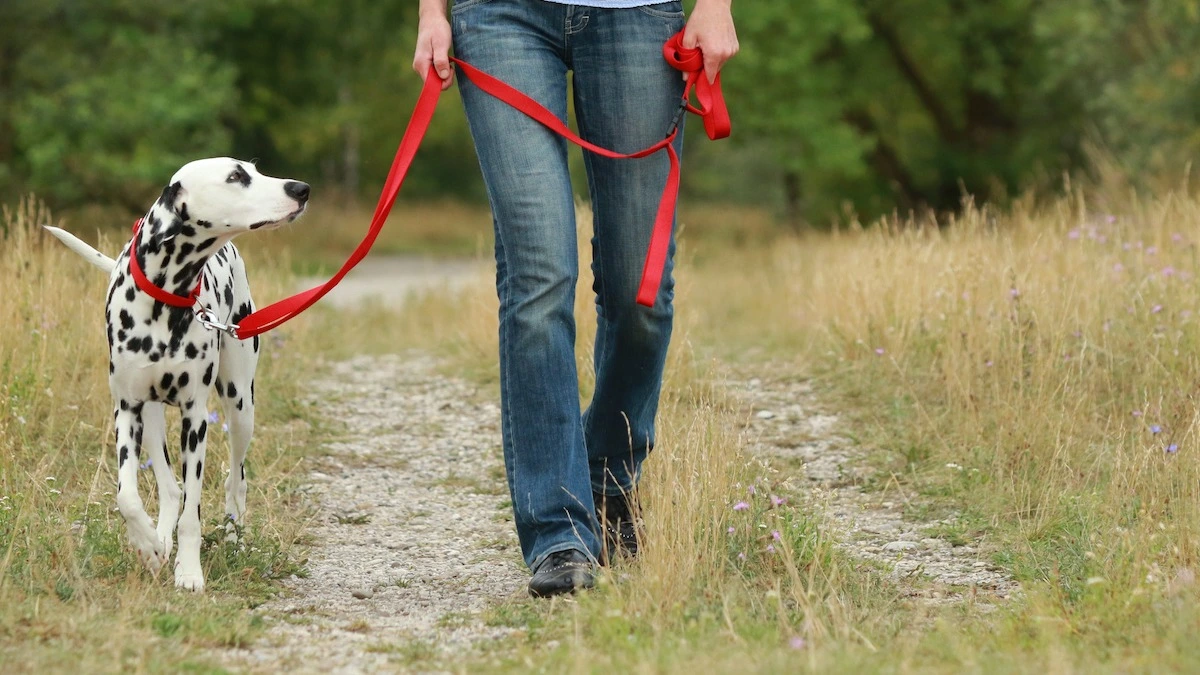
If every walk turns into a tug of war the moment you step outside, you are dealing with one of the most common frustrations dog owners face. The good news is that walking politely on a collar is a learnable skill for almost any dog, at any age, using nothing more than consistency, timing, and the right rewards. This guide walks through exactly how to teach it, step by step, using humane methods that keep your dog comfortable throughout the process.
Table of Contents
Key Takeaways
- Loose leash walking is a trained skill, not something dogs understand naturally, so patience and repetition matter more than any single trick
- Stop and go, changing direction, and rewarding position are the three core techniques that teach a dog pulling does not get them anywhere
- A properly fitted flat or martingale collar works well for most dogs, while harnesses are often recommended for puppies or dogs with neck sensitivity
- Training sessions should start in low distraction environments before moving to busier, more exciting spaces
- Avoid leash corrections, choke chains, and shock based tools, since positive reinforcement is both safer and more effective long term
- Short, frequent sessions of five to ten minutes work better than long, tiring ones
Why Dogs Pull in the First Place
Dogs do not pull because they are being stubborn or difficult. In most cases, they pull because walking faster gets them to smells, other dogs, or exciting sights sooner, and that outcome feels rewarding to them. Some breeds bred for pulling or working, like Huskies or working line Labradors, also have a natural drive that makes loose leash walking take a bit more repetition to teach.
Understanding this matters because it changes the goal of training. You are not trying to punish pulling. You are trying to teach your dog that a loose leash, not a tight one, is what actually gets them where they want to go.
Choosing the Right Collar Before You Start
Training goes more smoothly when your dog is wearing gear that fits properly and does not cause discomfort. A flat collar works well for dogs that are not strong pullers, while a martingale collar offers extra security for dogs with narrow heads who might slip out during a training session. Avoid choke chains, prong collars, and shock collars, since these rely on discomfort or pain to work and can create fear or anxiety around walks instead of solving the actual behavior.
Before your first session, check that the collar fits correctly. A collar that is too loose can slip off mid walk, and one that is too tight can cause your dog to associate walks with discomfort. If you are not sure your current collar fits the way it should, our guide on how tight a dog collar should be covers the two finger rule and other signs to check for. If you are still deciding between a collar and a harness altogether, our collar versus harness comparison breaks down which works best for your dog’s size, breed, and pulling habits.
What You Will Need
- A comfortable, well fitted collar
- A standard four to six foot leash, not a retractable one, since retractable leashes make consistent training difficult
- Small, high value treats your dog gets excited about
- A calm, low distraction starting location, like your hallway or backyard
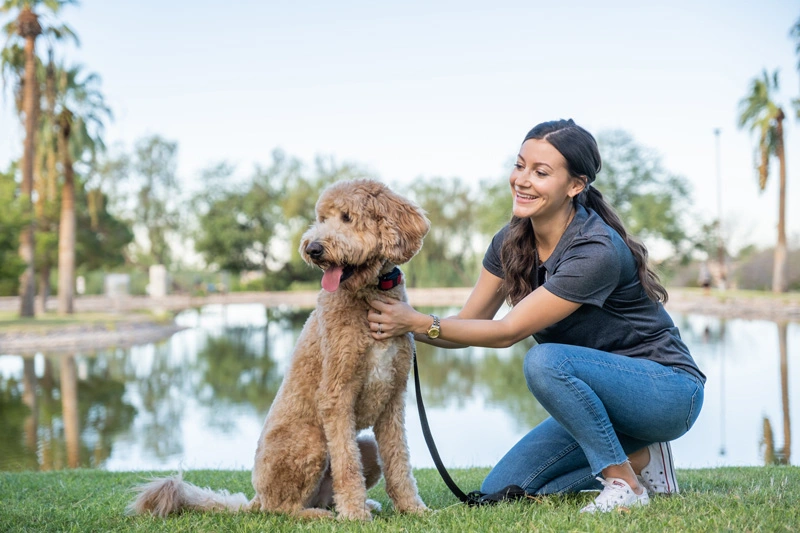
Step by Step Training Method
- Start indoors or in the yard. Clip the leash to the collar and let your dog get comfortable wearing it before adding any distractions.
- Reward position, not just behavior. Walk a few steps and give a treat every time your dog is near your side with a loose leash. This teaches them that staying close is what earns rewards.
- Stop the moment the leash goes tight. Do not pull back or yank. Simply stop walking and stand still. Wait for your dog to loosen the leash on their own, even a little, then immediately continue walking.
- Change direction when your dog gets ahead. If your dog surges forward, calmly turn and walk the opposite way without any leash correction. This teaches them to pay attention to where you are going instead of charging ahead on autopilot.
- Practice the engage and reward pattern. Every time your dog checks in with you, whether by looking up or slowing down near you, mark it with a word like yes and follow with a treat.
- Gradually add distractions. Once your dog is walking nicely in a quiet space, practice the same techniques somewhere slightly busier, like your front yard, before moving to a full neighborhood walk.
- Keep sessions short. Five to ten minutes of focused practice, done consistently, works better than one long, exhausting walk where your dog checks out halfway through.
Common Mistakes to Avoid
- Using a retractable leash during training, since the constant give and pull teaches dogs that tension is normal
- Yanking or jerking the leash as a correction, which can create fear or discomfort without actually teaching the desired behavior
- Training only on exciting walks, rather than starting in calm spaces where your dog can actually focus
- Being inconsistent, such as allowing pulling on some walks and correcting it on others, which confuses your dog about what is expected
- Skipping warm up time, since a dog with pent up energy will struggle to focus no matter how good your technique is
How Long Does It Take
Most dogs show noticeable improvement within two to four weeks of consistent, short daily sessions, though every dog learns at a different pace. Puppies and high energy breeds may take a bit longer simply because their impulse control is still developing. The key is staying consistent rather than expecting instant results after one or two walks.
Choosing Gear That Supports Training
The right collar makes consistent training easier, especially since you will be checking fit and comfort often during this process. A soft, adjustable collar that will not chafe or dig in during repeated stop and go sessions makes a real difference for both you and your dog.
This is exactly the thinking behind the FIS Classic Collar for Dogs in Black. It is made from soft, durable nylon webbing that stays comfortable through repeated training sessions, with a fully adjustable strap so you can maintain that ideal two finger fit as training progresses. The sturdy metal D ring holds the leash securely during stop and go practice, and the quick release buckle makes it simple to check and readjust fit as often as needed.
Frequently Asked Questions
Should I use a harness or a collar for leash training?
Both can work. A harness is often recommended for puppies or strong pullers since it removes pressure from the neck, while a well fitted flat or martingale collar works well for dogs that are not aggressive pullers.
Is it okay to use a choke chain to stop pulling faster?
Choke chains and similar correction tools can cause physical harm and are generally discouraged by modern trainers and veterinarians. Positive reinforcement methods take a bit more patience but are safer and build a better relationship with your dog long term.
Why does my dog pull more on some walks than others?
Higher energy levels, new environments, and exciting smells or sights all increase the urge to pull. Practicing in calmer settings first helps build the habit before testing it in more exciting locations.
Can older dogs still learn to walk without pulling?
Yes. While puppies often pick it up faster, adult and senior dogs can absolutely learn loose leash walking with the same consistent, reward based approach.
Conclusion
Teaching your dog to walk nicely on a collar comes down to consistency, patience, and rewarding the behavior you actually want to see. There is no need for corrections or discomfort based tools to get there. With short, regular practice sessions and a collar that fits comfortably, most dogs learn to walk politely within a matter of weeks, turning every walk into something you both look forward to.