
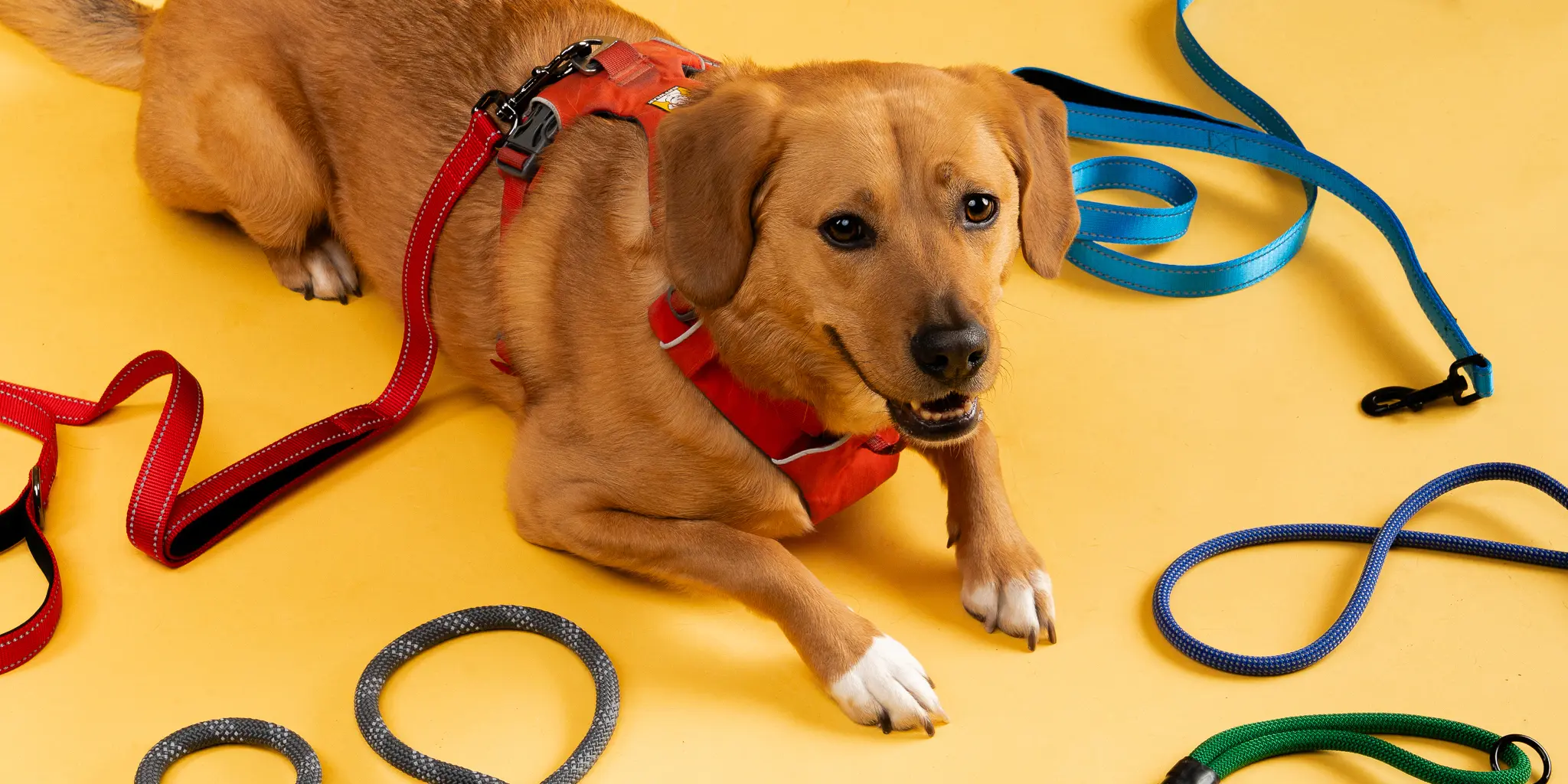
Leash length is one of those details that seems minor until you actually notice how much it shapes every walk. Too short, and your dog feels restricted and tense. Too long, and you lose control right when you need it most, like at a crosswalk or when another dog appears around the corner. There is no single perfect length for every dog or every walk, but there is a clear best fit once you know your dog and your typical environment. This guide breaks it down.
Table of Contents
Key Takeaways
- A 6 foot leash is the most versatile, widely recommended length for everyday walking
- A 4 foot leash offers tighter control, useful for puppies, strong pullers, and crowded areas
- Long lines, typically 15 to 50 feet, are training tools for recall and decompression walks, not everyday leashes
- Traffic leads, around 1 to 2 feet, are useful for tight spaces like elevators, vet offices, and busy sidewalks
- Retractable leashes are widely discouraged by trainers due to safety and control issues
- The right length depends on your dog’s size, training level, and where you typically walk
Why Leash Length Actually Matters
A leash is not just a safety requirement, it directly shapes the experience of every walk. The right length gives your dog enough room to move and sniff naturally, while still keeping you close enough to react quickly to traffic, other dogs, or sudden distractions. The wrong length creates one of two problems: a leash so short that walks feel tense and restrictive, or one so long that you lose meaningful control exactly when you need it.
The Most Common Leash Lengths Explained
4 Foot Leash
A 4 foot leash keeps your dog close and offers the highest level of everyday control. This shorter length is especially useful for puppies still learning leash manners, dogs actively working on pulling, and busy urban environments like crowded sidewalks, farmers markets, or outdoor dining areas. The tradeoff is that your dog has less freedom to move naturally or stop and sniff compared to a longer option.
6 Foot Leash
The 6 foot leash is the standard, most versatile choice for the average dog owner, and it is what most trainers recommend if you are only going to own one leash. It strikes a solid balance, giving your dog enough slack to walk comfortably and explore a bit, while still keeping them close enough to manage in most situations, including sidewalks, parks, and quieter neighborhood streets.
5 Foot Leash
Less common but worth mentioning, a 5 foot leash sits between the 4 and 6 foot options. Some versions include built in stops or handles at multiple points along the leash, letting you shorten your grip temporarily without switching leashes, useful for larger breed puppies who are still growing or for moments when you need quick, adjustable control.
Traffic Leads (1 to 2 Feet)
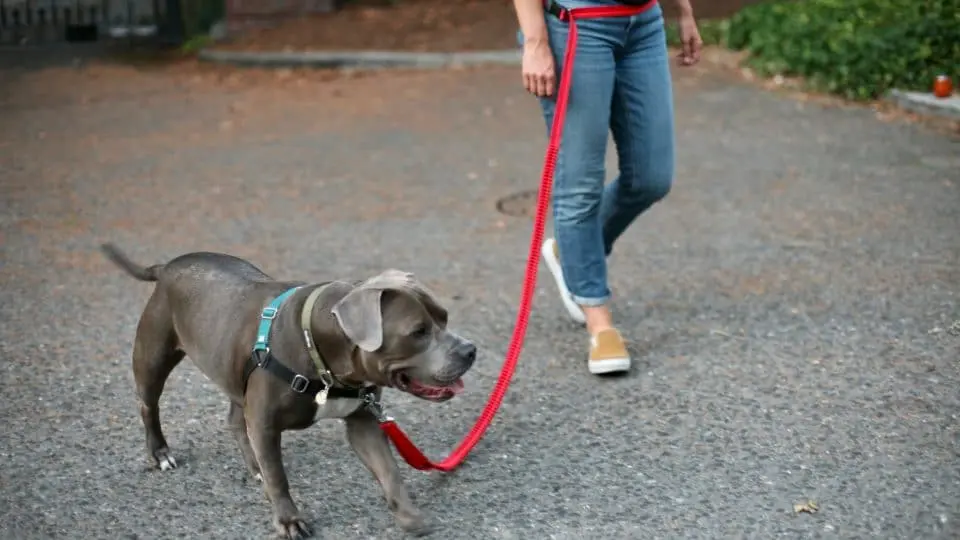
A traffic lead, sometimes just a short handle sewn close to the collar clip, is built specifically for tight spaces. Elevators, vet office waiting rooms, crowded crosswalks, and narrow sidewalks are exactly where this shorter length shines, keeping your dog close and predictable when space is limited.
Long Lines (15 to 50 Feet)
Long lines are a specialized training tool rather than an everyday walking leash. They are commonly used for recall training, allowing a dog the sensation of being off leash while you still maintain a physical connection, as well as for decompression walks in open, safe spaces like fields or empty parks. Long lines are not appropriate for narrow sidewalks, busy streets, or anywhere with heavy foot traffic, since the extra length becomes a tangling and control hazard in tight quarters.
Choosing the Right Length Based on Your Situation
- City sidewalks and crowded areas: a 4 foot leash offers the tightest, safest control
- Everyday neighborhood or park walks: a 6 foot leash is the most balanced, versatile choice
- Puppies or dogs actively working on leash manners: a 4 foot leash helps reinforce staying close
- Recall training or decompression walks in open spaces: a long line, used only in safe, open areas
- Elevators, vet visits, or extremely tight spaces: a traffic lead keeps your dog predictably close
- Hiking or exploring open trails: a 6 to 10 foot leash gives more room to explore while staying manageable
Matching Leash Length to Your Dog
Beyond your environment, your dog’s own size, temperament, and training level matter just as much.
- Puppies and dogs in training generally do better with a shorter leash, since it is easier to reinforce staying close and reward good positioning.
- Strong pullers benefit from a shorter leash paired with a properly fitted harness, since it limits the distance they can build momentum before you can respond.
- Calm, well trained dogs can comfortably handle a standard 6 foot leash or slightly longer without losing control.
- Reactive or easily startled dogs often do better with a shorter leash in unpredictable environments, giving you a quicker response time if something unexpected happens.
If you are actively working on leash manners regardless of length, our guide on how to train a dog to walk nicely on a collar walks through the exact positive reinforcement steps that pair well with whichever leash length you choose.
Why Retractable Leashes Are Generally Discouraged
Retractable leashes might seem convenient, but most trainers and veterinarians advise against them for regular walks. The thin cord can cause rope burn or lacerations if it wraps around a leg, whether yours, your dog’s, or a passerby’s. The mechanism also makes it harder to reel your dog in quickly during an emergency, and the constant tension teaches dogs that pulling against the leash is normal, which works directly against loose leash training. A standard fixed length leash gives you far more reliable, immediate control.
A Note on Comfort at the Collar End
Leash length affects control, but comfort at the collar end matters just as much for a genuinely pleasant walk. A collar that pinches or does not fit properly can make even the right leash length feel like a struggle. If you are not sure your dog’s current collar fits correctly, our guide on how tight a dog collar should be covers the two finger rule and other signs to check for.
The FIS Classic Collar for Dogs in Black pairs well with any of the leash lengths above, with a sturdy metal D ring for a secure leash attachment and a fully adjustable, soft nylon strap that keeps your dog comfortable no matter how far the walk takes you.
Frequently Asked Questions
What is the best all around leash length for most dogs?
A 6 foot leash is the most commonly recommended length, offering a solid balance between control and freedom for the average dog and walking environment.
Is a longer leash better for a dog that pulls?
No, generally the opposite. A shorter leash, around 4 feet, paired with a well fitted harness, typically offers better control for dogs actively working on pulling.
Are retractable leashes safe to use?
Most trainers and vets recommend avoiding them for regular walks, due to injury risk from the thin cord and reduced control in emergencies. A standard fixed length leash is generally safer.
What leash length is best for puppies?
A 4 foot leash is usually recommended for puppies, since it helps reinforce staying close during the early stages of leash training.
Conclusion
There is no single correct leash length for every dog, but there is a right fit based on your dog’s size, training level, and where you typically walk. A 6 foot leash covers most everyday situations well, a 4 foot leash offers tighter control for training or crowded spaces, and long lines serve a specific training purpose rather than daily use. Match the leash to the walk, and pair it with a comfortable, well fitted collar, and you set up every walk to go a little more smoothly.