
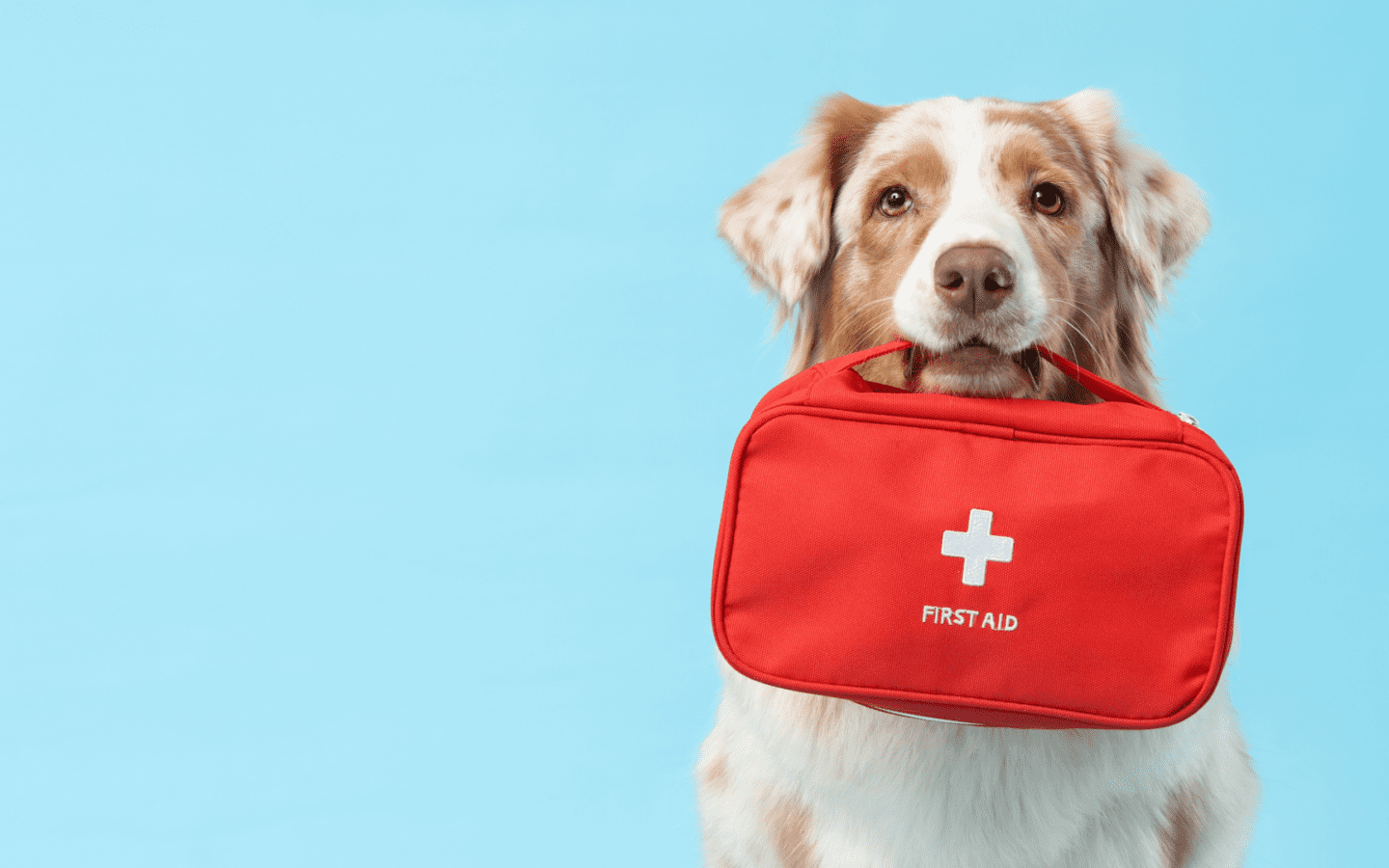
Pet emergencies rarely announce themselves ahead of time. One minute your dog is fine on a walk, the next they are limping, choking, or showing signs of heatstroke, and a vet is not always five minutes away. Knowing a handful of pet first aid tips will not replace professional veterinary care, but it can genuinely make the difference in those first critical minutes.
Table of Contents
Below are 7 essential first aid tips every pet parent should know, covering the situations you are most likely to encounter and what to actually do when they happen.
Key Takeaways
- A stocked pet first aid kit should live somewhere easy to grab quickly, ideally with a duplicate in your car.
- Staying calm matters more than most people realize, since pets pick up on panic and can become harder to handle.
- First aid is meant to stabilize your pet, not replace a trip to the vet.
- Never induce vomiting or give human medication to a pet without direct guidance from a vet or poison control.
- Knowing the signs of a true emergency helps you act quickly instead of losing time trying to decide.
Why These Pet First Aid Tips Matter
This guide is meant to help you respond confidently in the moments before you can reach a vet, not to replace professional veterinary care. If your pet is seriously injured, unresponsive, or showing signs of a medical emergency, get to a vet or emergency animal hospital as quickly and safely as possible, even while using the steps below to help in the meantime.
1. Build and Keep a Stocked Pet First Aid Kit
A dedicated first aid kit is the foundation everything else on this list depends on. Trying to gather supplies during an actual emergency wastes precious time, so having everything already in one place lets you act immediately instead of searching the house for gauze while your pet is in pain.
Keep your kit somewhere easy to grab, and consider a second one in your car if you travel with your pet often. Check it every six months for expired ointments or worn out supplies, and swap anything used or outdated right away rather than waiting until the next emergency reveals the gap.
- Store the kit in an easy to reach, consistent location everyone in the household knows
- Keep a duplicate kit in your car if you travel with your pet regularly
- Check and refresh the kit every six months for expired items
- Include your vet’s number and the nearest emergency clinic’s number inside the kit itself
2. Know How to Control Bleeding
A bleeding injury is one of the more common reasons pet parents end up needing first aid knowledge, whether it is a torn nail, a cut paw pad, or a deeper wound from an accident. Staying calm here genuinely matters, since a panicked reaction can make an already anxious, injured pet harder to handle safely.
Apply firm, direct pressure to the wound using clean gauze or a cloth, and hold it steady rather than repeatedly checking underneath, which can disrupt clotting. For a minor cut, cleaning and bandaging is often enough before a follow up vet visit. If bleeding is heavy, soaks through the bandage, or does not slow within about five minutes of steady pressure, head to a vet immediately rather than continuing to wait it out at home.
- Apply firm, steady pressure with clean gauze rather than repeatedly checking the wound
- Elevate an injured limb slightly if it is safe and possible to do so
- Minor cuts can often be cleaned, bandaged, and monitored before a follow up vet visit
- Heavy bleeding that does not slow within five minutes needs immediate veterinary attention
3. Recognize and Respond to Choking
Choking can escalate quickly, and knowing the basic response ahead of time means you are not trying to figure it out for the first time in a moment of panic. Signs include pawing at the mouth, distressed coughing, or difficulty breathing, often after eating something too quickly or grabbing an object during play.
If you can see the object and it is easy to reach, carefully attempt to remove it without pushing it further down. If that is not possible, stand behind your dog, place your hands just below the ribcage, and apply firm, upward pressure similar to the Heimlich maneuver used on people. Even after the object dislodges and breathing returns to normal, a vet check is still worth doing to rule out any internal injury from the episode.
- Watch for pawing at the mouth, distressed coughing, or sudden difficulty breathing
- Only attempt to remove a visible object if you can do so without pushing it deeper
- Use firm upward pressure just below the ribcage if the object cannot be reached directly
- Schedule a vet check after any choking episode, even once breathing returns to normal
4. Learn the Signs of Heatstroke and How to Cool Your Pet Safely
Heatstroke can develop quickly, especially in warmer months or if a pet is left in a hot car even briefly. Heavy panting, drooling, weakness, vomiting, or collapse are all warning signs that need immediate action rather than a wait and see approach.
Move your pet to shade or an air conditioned space right away, and offer small sips of cool, not ice cold, water. Wetting the paws, ears, and belly with cool water can help bring their temperature down gradually. Avoid ice or very cold water directly on the skin, since a too rapid temperature drop can cause additional complications. Get to a vet as quickly and safely as possible, since heatstroke can cause serious internal damage even after your pet appears to recover.
- Move to shade or air conditioning immediately at the first sign of heatstroke
- Offer small sips of cool water rather than ice cold water
- Wet the paws, ears, and belly gradually rather than using ice directly on the skin
- Head to a vet even if your pet seems to recover once cooled down
5. Know What to Do If Your Pet Is Poisoned
Poisoning emergencies happen more often than most pet parents expect, especially around common household items like chocolate, certain plants, medications, or cleaning products. Acting quickly matters, but acting correctly matters just as much, since some well meaning first aid attempts can actually make things worse.
If you suspect your pet has ingested something toxic, call your vet or an animal poison control line immediately, and try to have the packaging or plant name on hand to describe exactly what was ingested. Never induce vomiting or give any home remedy unless a vet or poison control specifically instructs you to, since some substances cause more damage coming back up than staying down, and inducing vomiting incorrectly can create new complications.
- Call your vet or animal poison control immediately rather than waiting to see symptoms develop
- Have the packaging, plant, or substance name ready to describe exactly what happened
- Never induce vomiting or give a home remedy without direct instruction from a professional
- Keep the poison control number saved in your phone and inside your first aid kit
Our guide on why is my dog vomiting is a useful companion read here, since it covers how to tell the difference between a mild stomach issue and something that needs urgent attention.
6. Learn the Basics of Pet CPR
CPR is one of those skills you hope to never use, but knowing the basics ahead of time can matter enormously in the rare situation where a pet stops breathing or their heart stops. This should only be attempted if your pet is truly unresponsive, not breathing, and shows no heartbeat.
Lay your pet on their side on a firm surface, and check for breathing and a heartbeat first. If neither is present, place your hands over the widest part of the chest and give firm compressions, roughly one hundred to one hundred twenty per minute, allowing the chest to fully rise between each one. If you are trained in rescue breaths, give one breath for every thirty compressions by gently closing the mouth and breathing into the nose. This is a skill best learned properly through a certified pet first aid course rather than solely from an article, since hands on practice makes a real difference in an actual emergency.
- Only attempt CPR if your pet is unresponsive with no breathing or heartbeat
- Lay your pet on a firm surface, on their side, before starting compressions
- Aim for roughly one hundred to one hundred twenty compressions per minute
- Consider a certified pet first aid course for proper hands on practice
7. Know When It Is a True Emergency
Not every issue requires a frantic drive to the emergency vet, but some situations absolutely do, and knowing the difference saves both unnecessary stress and potentially dangerous delays. Difficulty breathing, uncontrolled bleeding, suspected poisoning, a bloated or distended abdomen, seizures, or sudden collapse all count as true emergencies requiring immediate veterinary attention.
Less urgent issues, like a minor limp or mild digestive upset, can often be monitored for a short time before deciding on a vet visit, though persistent or worsening symptoms still warrant a call to your vet for guidance. When in doubt, calling your vet or an emergency line to describe the situation is always a reasonable step, even if it turns out not to be as urgent as it initially seemed.
- Treat difficulty breathing, uncontrolled bleeding, and sudden collapse as immediate emergencies
- Seizures, suspected poisoning, and a distended abdomen also require urgent veterinary care
- Minor limps or mild digestive upset can often be monitored briefly before deciding next steps
- When unsure, call your vet or an emergency line to describe symptoms rather than guessing
If digestive symptoms are part of what you are noticing, our guide on common dog digestive problems and how to keep their tummy healthy can help you figure out whether it fits the pattern of something manageable at home or a sign to call the vet sooner rather than later.
Final Thoughts
Pet first aid is not about replacing your vet, it is about buying your pet those critical first minutes when professional help is not immediately available. A stocked kit, a calm response, and knowing the difference between a minor issue and a true emergency can genuinely change the outcome when something unexpected happens.
Take some time this week to put together or refresh your pet first aid kit, save the important numbers in your phone, and consider a certified first aid course if you want hands on practice. Being prepared costs very little time now and could make all the difference later.