
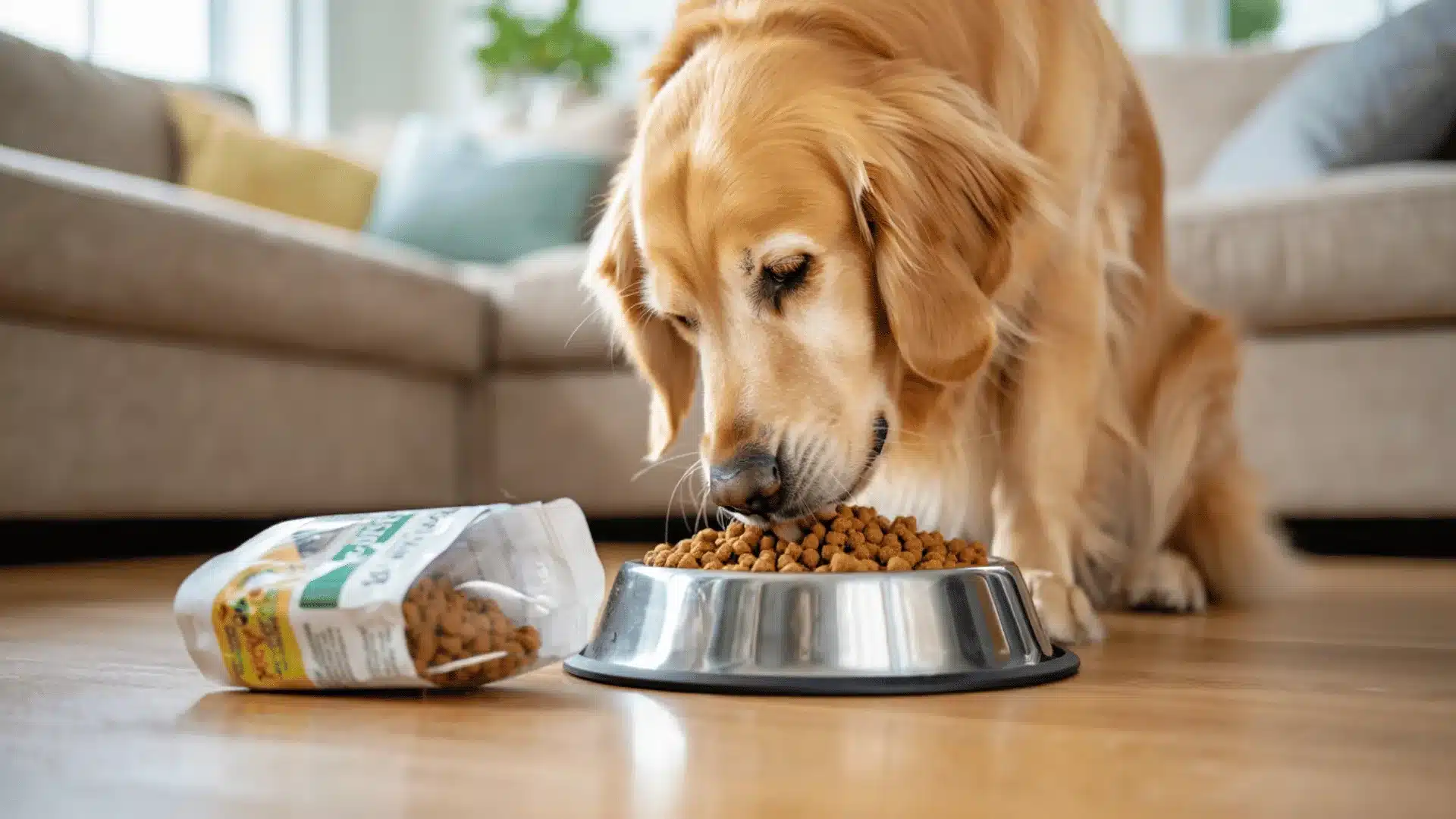
Most dogs do not need more food when the temperature drops. They need the right food, in the right amount, with far more attention to water than most owners give it. That is the short answer to what to feed dogs in winter, and it surprises people who assume cold weather means a bigger bowl.
Table of Contents
Fresh food has become the popular answer in recent years, pitched as the warm, wholesome choice for cold months. Is it worth the money? Sometimes, yes. Sometimes it is simply an expensive way to feed the same nutrition.
This guide covers what your dog actually needs in winter, where fresh food genuinely helps, where it falls short, and how to feed safely whether you choose fresh, kibble or a mix of both.
Key Takeaways
- Indoor dogs usually need the same calories in winter. Outdoor, working, thin-coated and senior dogs may need more.
- Feed to your dog’s body condition, not to the calendar or the thermometer.
- Fresh food is worth it only if it is labelled complete and balanced. A well-made kibble beats a poorly made fresh meal.
- Homemade meals often miss key nutrients, so use a recipe from a veterinary nutritionist or skip them.
- Dogs dehydrate in winter just as fast as in summer. Keep clean water out and unfrozen.
- Safe, unseasoned extras like pumpkin, sweet potato, carrot and boiled egg can add variety without upsetting the balance.
What to Feed Dogs in Winter: The Short Answer
What to feed dogs in winter depends on activity level, age and coat type. Most indoor dogs need their usual calories, while outdoor, working and senior dogs may need more. A complete and balanced diet, steady body weight and plenty of fresh water matter more than switching to any special winter food.
Do Dogs Need More Food in Winter?
It depends on the dog. Cold weather does push some dogs to burn more energy, but it is not a rule that applies to every pet on the sofa.
Dogs that may need extra calories include working breeds that stay active, dogs that live or spend long hours outdoors, thin-coated breeds such as Greyhounds, Whippets and Chihuahuas, and some older dogs that lose weight in the cold.
Dogs that live in a heated home and walk less often tell a different story. They burn fewer calories, and the same portion can quietly turn into winter weight gain. Plenty of owners miss this because a slightly rounder dog just looks cosy.
Use Body Condition, Not Guesswork
Veterinarians use a body condition score on a 9-point scale, where 4 to 5 is ideal. Dr. Ken Tudor, writing for PetMD, suggests adjusting food by about 10 percent at a time: reduce if your dog creeps up to a 6, and increase if your dog slips to a 3, until the score returns to the 4 to 5 range.
In practice, you should be able to feel your dog’s ribs under a thin layer of padding without seeing them sharply. Check every two weeks through winter.

Are Fresh Foods Really Worth It for Dogs in Winter?
Fresh dog food is gently cooked, usually refrigerated or frozen, and made from recognisable ingredients like meat, vegetables and grains. It comes pre-portioned, which makes it easier to avoid overfeeding. That is a real advantage when your dog is moving less.
Fresh meals also contain more moisture than dry kibble. Heated indoor air is dry, and a moisture-rich diet gives your dog a small extra hydration boost during the months when drinking tends to drop.
Where Fresh Food Genuinely Helps
- Fussy eaters. The aroma of lightly warmed fresh food often tempts dogs that turn their nose up at cold kibble.
- Portion control. Pre-portioned packs take the guesswork out of winter weight management.
- Senior dogs. Softer, moister meals are easier to chew and can encourage older dogs to eat.
Where Fresh Food Falls Short
- Cost. Fresh food usually costs noticeably more than kibble, and the gap adds up over a full winter.
- Storage. It needs fridge or freezer space and careful handling, which is not always easy in a small home.
- Quality varies. Veterinary sources point out that a poorly formulated fresh food is worse than a well-formulated kibble. The format does not guarantee quality.
- Limited therapeutic options. Many prescription diets for kidney, liver, urinary and allergy issues come only as kibble or canned food.
So the honest verdict is this. Fresh food is not automatically better for winter. It is a useful option for the right dog, as long as the label says complete and balanced.
Fresh vs Kibble vs Homemade: Quick Comparison
| Factor | Commercial fresh | Kibble | Homemade |
| Nutritional balance | Complete and balanced if labelled so | Usually complete and balanced | Often incomplete without expert recipe |
| Moisture | High | Low | High |
| Cost | Highest of the three | Lowest to moderate | Rarely cheaper than commercial food |
| Convenience | Needs fridge or freezer | Easy to store and serve | Needs time, planning and storage |
| Best for | Fussy eaters, seniors, portion control | Budget feeding, everyday routine | Dogs with a vet-designed diet plan |
A Note on Homemade Winter Meals
Cooking for your dog sounds like the warmest winter gesture. The catch is balance. A dog needs nearly 40 essential nutrients every day, and veterinary nutritionists note that most recipes found online or in books do not provide complete nutrition.
If you want to cook, use a recipe from a company that employs full-time veterinary nutritionists, and follow it exactly. Even small changes to ingredients can throw the balance off.
Safe Winter Foods You Can Add to Your Dog’s Bowl
Extras should stay small. A good rule is to keep toppers and treats to roughly one-tenth of the daily food, so the main diet stays balanced. Always serve them plain, with no salt, oil or spices.
- Pumpkin. Cooked and plain, it is gentle on digestion and adds fibre.
- Sweet potato. Boiled or baked, with no butter or sugar. Easy to find in Indian winters.
- Carrots and green beans. Low in calories, and good for dogs that need to lose a little weight.
- Boiled or scrambled egg. A protein-rich breakfast topper, cooked without oil or seasoning.
- Plain bone broth. Warm, comforting and rich in collagen and glucosamine. Make sure it has no onion, garlic or salt.
Skip onion, garlic, grapes, raisins, chocolate and anything heavily spiced. Festive leftovers and rich winter sweets are the usual culprits for emergency vet visits.
How to Feed Your Dog Through Winter: Step by Step
- Check your dog’s body condition first. Feel the ribs and waist. Note whether your dog looks lean, ideal or a little heavy.
- Decide your dog’s winter profile. Indoor and relaxed, active outdoors, thin-coated, or senior. Each one needs a different adjustment.
- Adjust portions by 10 percent at a time. Reduce for sedentary dogs gaining weight. Increase for dogs that are losing weight or working outside.
- Choose a complete and balanced base. Look for a label that states it meets nutritional standards for your dog’s life stage, whether the food is kibble or fresh.
- Add warmth and moisture. Mix in a little warm water or plain broth, and serve food lukewarm, never hot.
- Switch foods slowly. Move from old to new food over 7 to 10 days to avoid an upset stomach.
- Re-weigh every two weeks. Small corrections now prevent a bigger problem by spring.
Do Not Forget Water, Walks and Warmth
Dogs dehydrate in winter as quickly as in summer. Refill the bowl often, and if the water sits outside, check that it has not frozen. Snow is not a substitute for clean water.
Food is only one part of cold-weather care. Pair it with the right gear for chilly walks, such as a well-fitted coat, a comfortable collar and a sturdy leash. Our guide to the best dog accessories for winter walks covers what to pick. For coat and paw care, see our winter dog grooming tips.
Frequently Asked Questions
The best winter food is a complete and balanced diet suited to your dog’s age, size and activity. For most dogs, that means their regular food, with portions adjusted to body condition. Fresh, kibble or a mix can all work if they meet nutritional standards.
Not always. Outdoor, working, thin-coated and some senior dogs may need more calories. Indoor dogs often need the same amount or even less, because they move less in cold weather.
No, it is not automatically better. Fresh food offers more moisture, strong aroma and easy portioning, but kibble that is complete and balanced is nutritionally comparable. Quality of formulation matters more than the format.
Yes, but only with a recipe formulated by a veterinary nutritionist. Many homemade recipes lack the right balance of nutrients such as calcium and phosphorus, which can cause problems over time. Growing puppies should not be fed homemade diets without expert supervision.
You are likely overfeeding if you can no longer feel your dog’s ribs easily or the waist has disappeared. Cut portions by about 10 percent and recheck in two weeks.
Conclusion: So, What Should You Feed Your Dog This Winter?
Winter feeding is less about special foods and more about paying attention. The best answer to what to feed dogs in winter is a complete and balanced diet, portioned to your dog’s real activity, with warm water, safe toppers and regular weight checks.
Fresh food is worth it if your dog is fussy, older or needs strict portion control, and if it fits your budget. If not, a quality kibble with a spoonful of plain pumpkin or warm broth will do the job just as well. When in doubt, ask your vet before changing your dog’s diet.
Keep your dog comfortable beyond the bowl. Explore FurryInSwag’s winter-ready collars, leashes and dog accessories and get your best friend ready for every cold-weather walk.