
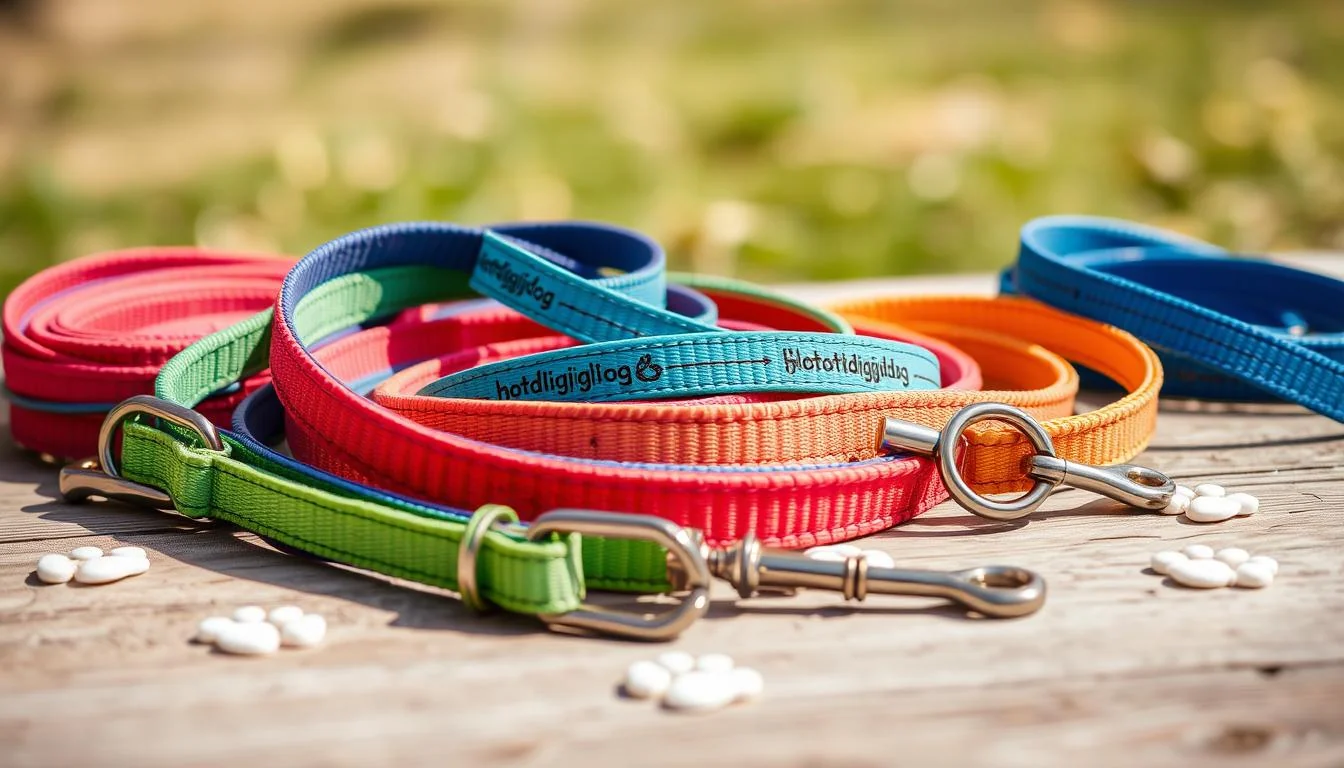
Puppy training rarely happens with just one leash. Different stages call for different setups, a short leash for teaching loose leash walking, a long line for recall practice, and an indoor line for keeping an eye on a puppy still learning house manners.
Table of Contents
Below are 10 of the best leashes for training puppies, broken down by what each one is actually built for, so you can figure out which ones belong in your training kit as your puppy grows.
Key Takeaways
- Different training goals call for different leash lengths, a short leash for close control and a long line for recall.
- Lightweight materials matter more for puppies than heavy duty strength, since a young dog is still building leash confidence.
- Attaching a leash to a harness rather than a collar is generally safer for a growing puppy’s neck.
- An indoor house line can make house training and general supervision significantly easier during the early weeks.
- Most puppy owners end up needing two or three leash types rather than just one all purpose option.
What to Look For in a Puppy Training Leash
Puppies do not need the same heavy duty hardware a fully grown, strong adult dog might require. What matters more at this stage is weight, since a bulky leash can feel awkward or even intimidating to a small puppy still getting used to walking on a lead at all.
Length matters just as much as weight, and it should match the specific skill you are working on. A four to six foot leash works well for teaching a puppy to walk politely beside you, while a much longer line is better suited for recall practice, where the goal is letting your puppy explore at a safe distance before calling them back.
It is also worth attaching most training leashes to a well fitted harness rather than a collar during the early months. A puppy’s neck and trachea are still developing, and sudden pulls or corrections through a collar can cause unnecessary strain compared to a harness that distributes pressure across the chest.
1. Standard 6 Foot Nylon Leash
A basic six foot nylon leash is the workhorse of puppy training, useful for everyday walks, teaching loose leash walking, and general obedience practice. Its light weight makes it comfortable for a puppy to get used to, without feeling like they are dragging something heavy behind them.
Look for a narrower width designed for puppies and smaller dogs, since a leash built for a fully grown large breed can feel unnecessarily bulky in a young puppy’s early training sessions. This is generally the first leash most new puppy owners buy, and it remains useful well into adulthood for everyday walks.
A width between three eighths and five eighths of an inch tends to suit most puppies well, giving enough strength for a growing dog without feeling stiff or heavy in a young dog’s early handling. Many nylon leashes also come with a small loop near the clip in addition to the main handle, which is genuinely useful for quickly shortening your grip if your puppy suddenly lunges toward something during a walk. Because puppies grow quickly, this is also a leash that tends to get replaced within the first year simply due to normal wear rather than the dog outgrowing its usefulness, so it is not usually worth spending a lot on this particular leash upfront.
- Lightweight nylon webbing, comfortable for a puppy still building leash confidence
- Best width is three eighths to five eighths of an inch for most puppies
- Secondary loop near the clip allows a quick, shortened grip when needed
- Affordable enough to replace as your puppy grows or the leash wears down
2. Indoor House Training Line
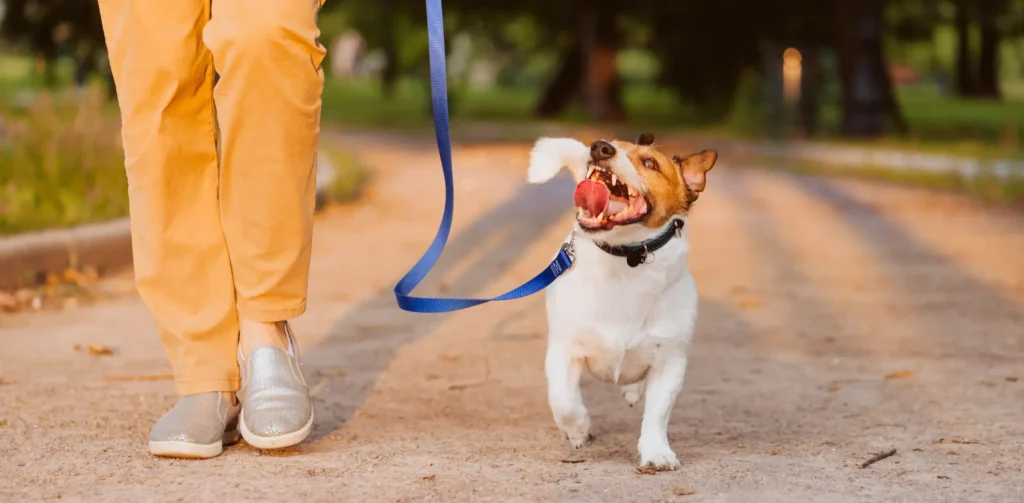
An indoor house line, usually a lightweight ten to fifteen foot leash left attached during supervised time at home, is one of the most underrated tools in early puppy training. It lets you gently guide your puppy away from a mistake in progress or interrupt an unwanted chew session without a frantic chase across the room.
This tool is especially useful during house training, since it keeps your puppy within easy reach during the critical window right after eating or waking up, when accidents are most likely to happen. It should only be used during active supervision, never left on an unsupervised puppy, since it can become a snagging or chewing hazard if left unattended.
A thin, lightweight cotton or nylon cord tends to work best for this purpose, since the goal is not physical strength but simply having a gentle way to redirect your puppy without an abrupt grab or chase. Some owners loop the end around a belt loop or hold it loosely while doing chores around the house, which keeps a wandering puppy close without requiring constant direct attention. This tool tends to be most useful during the first two to three months at home, and many owners phase it out entirely once house training is solid and general obedience improves.
- Thin, lightweight cotton or nylon cord, easy to hold loosely while doing chores
- Ten to fifteen feet gives enough range for supervision without losing quick access
- Most valuable during the first two to three months of house training
- Only for supervised use, never left on an unattended puppy
3. Long Line for Recall Training
A long line, typically fifteen to thirty feet, gives your puppy room to explore and get distracted while still keeping them safely attached to you. This makes it an ideal tool for practicing recall in a controlled but open environment, like a quiet park or large backyard.
Lightweight biothane or flat nylon tends to work better than rope for long lines, since rope can cause rope burn if it slides quickly through your hand during a sudden pull. Practicing recall on a long line before trusting a puppy off leash entirely is one of the safest ways to build a reliable come command over time.
When starting out, it helps to let the line drag loosely on the ground rather than holding the full length taut, since this gives your puppy a more natural sense of freedom while you still retain the ability to step on the line if needed. Wearing gloves during long line sessions is a small but practical habit, since a sudden sprint from an excited puppy can cause real friction burn even with a soft material. Many trainers recommend practicing in a few different locations once the basics are solid, since a puppy that recalls reliably in a familiar backyard will not automatically do the same in a new, more distracting environment.
- Flat biothane or nylon material avoids the rope burn risk that comes with braided rope
- Fifteen to thirty feet of range for safe, controlled recall practice
- Let the line drag loosely rather than holding it fully taut during practice
- Gloves are a smart addition to protect your hands during sudden pulls
4. Slip Lead
A slip lead combines a collar and leash into one piece, which makes it incredibly convenient for quick outings, vet visits, or situations where you need to get a leash on your puppy fast without fumbling with a separate collar.
Because it tightens around the neck under tension, this style works best as a backup or quick use option rather than a primary daily leash for a puppy still learning not to pull. Many trainers keep one in the car or by the door specifically for these grab and go moments.
A properly fitted slip lead should sit high on the neck, just behind the ears, rather than low near the shoulders, since this position gives you more control with less pressure and reduces the chance of a puppy slipping out of it entirely. Many veterinary clinics use slip leads as their default option for exactly this reason, since they can be put on and taken off in seconds without needing to know a puppy’s exact collar size ahead of time. For everyday walks with a puppy still building leash skills, though, a harness paired with a standard leash generally offers more comfortable, predictable control.
- Combines collar and leash in one piece for fast, grab and go use
- Should sit high on the neck, just behind the ears, for the safest fit
- A common default choice at vet clinics and shelters
- Best used as a backup rather than a daily leash for a puppy still learning not to pull
5. Traffic Handle Leash
A traffic handle leash includes a second grip point closer to the collar or harness, giving you quick, close control in situations that call for it, like navigating a crowded sidewalk or keeping a curious puppy from greeting every dog that walks by.
This style becomes especially useful once a puppy starts venturing into busier environments as part of socialization, since it gives you an extra layer of control without needing to shorten your grip on the standard handle.
Puppies going through their socialization period, typically between eight and sixteen weeks, often end up in busier settings like pet store visits or puppy classes sooner than expected, and this is exactly where a traffic handle earns its keep. Switching your grip to the closer handle takes a fraction of a second, which matters when a puppy suddenly darts toward something without warning. Some owners find they use the traffic handle almost as often as the main one during the early months, simply because puppies tend to test boundaries constantly while they are still learning what is and is not appropriate to approach.
- Second grip point near the collar or harness for instant close control
- Especially useful during the eight to sixteen week socialization window
- Switching handles takes a fraction of a second in a sudden situation
- Great fit for pet store visits, puppy classes, or busy sidewalks
6. Adjustable Multi Length Leash
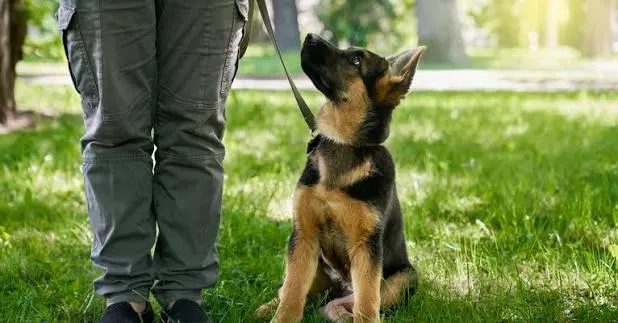
An adjustable leash, often featuring multiple metal rings or loops along its length, lets you shorten or extend the usable length depending on the situation, without needing to own several separate leashes for different scenarios.
This flexibility makes it a practical investment for puppy owners, since training needs shift constantly during the first year. One walk might call for close control near a busy street, while the next might be a relaxed sniff heavy stroll where a bit more length makes sense.
Most adjustable leashes can convert between a standard six foot length and a shorter traffic style handle, and some extend out to eight or ten feet for slightly looser supervision in an open, safe space. This versatility does come with a small tradeoff, since the extra hardware adds a bit of weight and cost compared to a basic single length leash. For owners who want to minimize how much gear they need to carry or buy during the puppy stage, though, this single leash covering multiple use cases often ends up being worth that tradeoff.
- Converts between close traffic control and standard six to ten foot length
- Reduces the number of separate leashes you need to own and carry
- Slightly heavier than a basic leash due to the extra rings or hardware
- Good option for owners who want one leash to cover most situations
7. Rope Training Leash
A rope leash offers a nice middle ground between the lightness of nylon and the durability needed for a puppy that likes to chew or tug during walks. The braided construction tends to hold up well without adding much extra weight.
Rope leashes also tend to be comfortable in hand over longer training sessions, since the texture provides a secure grip without needing an especially thick handle. This makes them a solid all around option for active puppies working through multiple training sessions a day.
Rock climbing grade rope, scaled down to a puppy appropriate thickness, is a common choice for this style, since it holds its shape well and resists fraying better than a basic braided cord. The slightly textured surface also makes it harder for a puppy to get a good chewing grip on compared to smooth nylon webbing, which can help redirect that instinct toward an appropriate toy instead. Over time, as your puppy grows and their pulling strength increases, this same rope style scales up nicely into a leash that still works for an adult dog, making it a reasonable long term investment rather than something you outgrow quickly.
- Climbing grade rope holds its shape and resists fraying well
- Textured surface is naturally more chew resistant than smooth nylon
- Comfortable grip during longer or repeated training sessions
- Scales well into adulthood, making it a longer term investment
8. Light Bungee Leash
A lightweight bungee leash, built specifically with a puppy’s smaller size in mind, softens the sudden jolts that happen when an excitable puppy lunges toward something new and interesting, which happens often during the early months of exploring the world.
This gentler shock absorption protects a young, still developing neck and shoulders from a sharp correction, making it a genuinely useful tool while a puppy is actively learning loose leash walking skills rather than after the habit is already solid.
The elastic section on a puppy sized bungee leash is noticeably softer than the version built for an adult strong breed, since the goal here is cushioning a small burst of excitement rather than absorbing serious pulling force. This makes it particularly well suited for puppies going through a bold, curious phase where every new smell or sound seems worth investigating immediately. As training progresses and a puppy becomes more responsive to gentle leash pressure, many owners transition away from the bungee style entirely in favor of a standard leash, using it as more of a stepping stone tool than a permanent solution.
- Softer elastic section than adult sized bungee leashes, scaled for a puppy’s build
- Cushions sudden bursts of excitement rather than serious pulling force
- Well suited to the bold, curious exploration phase of puppyhood
- Best treated as a temporary training tool rather than a permanent solution
9. Hands Free Waist Leash
A hands free waist leash frees up both hands, which turns out to be especially useful during treat based puppy training, when you need to deliver rewards quickly and consistently without fumbling a handheld leash at the same time.
This style works best for puppies with a bit of leash experience already, since a sudden pull transfers directly to your body. For very young or easily startled puppies, a standard handheld leash still offers more direct, immediate control during those first few weeks.
Many owners find this style particularly helpful during dedicated training walks, where the goal is running through a series of commands rather than simply getting from point A to point B. Having both hands available makes it much easier to manage a treat pouch, a clicker, and a leash all at once without dropping something mid session. Some hands free designs also include a small bungee section built in, which combines the shock absorbing benefit of a bungee leash with the practical convenience of the waist attachment, making it a reasonable upgrade once a puppy has a bit more leash manners established.
- Frees both hands for treats, a clicker, or toys during dedicated training sessions
- Ideal for structured training walks rather than a puppy’s very first outings
- Some versions include a built in bungee section for extra shock absorption
- Works best once a puppy already has some leash manners established
10. Drag Line
A drag line is a lightweight leash left attached to a puppy’s harness during supervised off leash time, allowing you to step on it or grab it quickly if your puppy gets distracted or starts to wander instead of coming when called.
This tool bridges the gap between a long line and true off leash freedom, giving you a safety net during the transition period. It should always be used under direct supervision, since a dragging line can catch on obstacles if left unattended.
A shorter drag line, typically six to ten feet, tends to work better than a longer one for this purpose, since the goal is a quick grab or step rather than extended distance monitoring. This tool is especially useful in the later stages of recall training, once a puppy has already shown solid progress on a long line and you are starting to test their reliability in a slightly less controlled setting, like an open field without a fence. Removing the drag line entirely should happen gradually, only after repeated successful recalls in a variety of settings and distraction levels, rather than all at once based on just a few good days.
- Shorter length, around six to ten feet, works best for quick grabs rather than distance control
- A useful bridge between long line practice and true off leash freedom
- Best introduced once recall is already solid on a long line
- Should be phased out gradually, based on consistent success rather than a few good days
Puppy Training Leashes at a Glance
| Leash Type | Length | Best For | Key Benefit |
| Standard Nylon Leash | 6 feet | Everyday walks, basic training | Lightweight, affordable |
| Indoor House Line | 10 to 15 feet | House training, indoor supervision | Prevents unwanted chewing or sneaking off |
| Long Line | 15 to 30 feet | Recall training | Safe distance for come command practice |
| Slip Lead | 4 to 6 feet | Vet visits, quick outings | No separate collar needed |
| Traffic Handle Leash | 4 to 6 feet | Crowded areas, city walks | Close range control point |
| Adjustable Multi Length Leash | 3 to 6 feet | Growing puppies, varied situations | Grows with training needs |
| Rope Training Leash | 6 feet | Active puppies, chewers | Durable, comfortable grip |
| Light Bungee Leash | 4 to 6 feet | Puppies learning loose leash walking | Softens sudden pulls |
| Hands Free Waist Leash | 4 to 6 feet | Treat based training sessions | Frees both hands for rewards |
| Drag Line | 6 to 10 feet | Supervised off leash prep | Lets you step in without a chase |
Building a Full Training Routine, Not Just a Leash Collection
The right leash makes training easier, but it is really the consistency behind it that gets results. Pairing the right leash for the moment with clear, repeated commands is what actually teaches a puppy how to behave on and off leash over time.
Our guide on the top 15 commands every dog should know is a great next step once you have the right leash in hand, covering exactly how to build the obedience foundation that makes every walk easier.
If your puppy already shows early signs of pulling, our guide on how to stop a dog from pulling on the leash walks through a method that works well started early, before the habit has a chance to fully set in.
Checklist for Choosing a Puppy Training Leash
- Match the leash length to the specific skill you are working on, short for control, long for recall
- Choose lightweight materials that will not feel intimidating to a small or nervous puppy
- Attach training leashes to a harness rather than a collar during the early months
- Keep a slip lead on hand for quick outings and vet visits
- Never leave a long line, house line, or drag line attached during unsupervised time
- Expect to own two or three leash types rather than a single all purpose option
Frequently Asked Questions
What length leash is best for a new puppy?
A four to six foot leash is generally best for everyday walks and basic training, since it gives you close control without the puppy feeling overwhelmed by too much distance.
Should I use a harness or collar for leash training a puppy?
A harness is generally recommended for young puppies, since it distributes pressure across the chest rather than putting strain on a still developing neck.
When should I start using a long line for recall training?
Once your puppy has basic leash comfort and knows simple commands, typically after a few weeks of short leash practice, a long line can be introduced in a safe, enclosed area.
Is a retractable leash good for puppy training?
Retractable leashes are generally not recommended for training, since they do not teach a consistent leash length and can make loose leash walking habits harder to establish.
How do I stop my puppy from chewing on the leash?
Redirecting to an appropriate chew toy during walks, along with a rope or slightly thicker leash material, can help. Consistent, calm correction paired with redirection tends to work better than pulling the leash away abruptly.
Can I use the same leash for my puppy as they grow into an adult?
A standard six foot leash often works throughout a dog’s life, though you may want a sturdier or thicker option once your puppy reaches full adult size and strength.
How many leashes does a new puppy owner actually need?
Most owners end up with two or three, typically a standard six foot leash, a long line for recall, and either a slip lead or house line for specific situations.
Conclusion
Training a puppy well rarely comes down to a single leash doing all the work. A standard six foot leash for daily walks, a long line for recall, and a slip lead for quick outings cover most of what a new puppy owner actually needs during those first several months.
As your puppy grows and their training progresses, you will likely find yourself reaching for different tools depending on the situation, and that is completely normal. The right leash for the moment, paired with consistent training, is what actually builds a well mannered adult dog over time.