
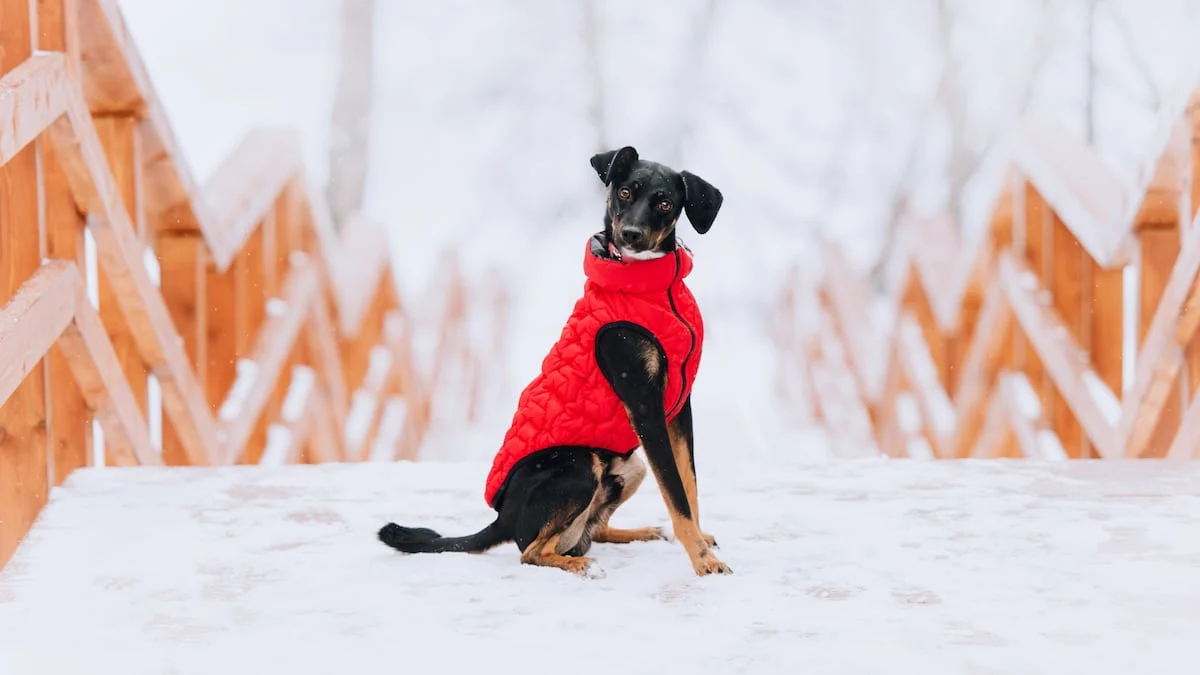
Not every dog needs a wardrobe for winter, but a lot more dogs need one than owners realize. A thick coated Husky bred for arctic temperatures and a short haired Chihuahua have wildly different needs once the temperature drops, and dressing them the same way does neither one any favors. This guide breaks down which dogs actually need winter gear, the categories worth having, and how to fit everything correctly so it actually helps rather than just looking the part.
Table of Contents
Key Takeaways
- Small breeds, short haired dogs, puppies, seniors, and dogs with health conditions generally need extra protection in cold weather, while thick, double coated breeds usually do not
- A properly fitted insulated jacket, a waterproof outer layer, and snow boots each solve a different problem, and most cold climate dogs benefit from a combination rather than just one item
- Watching for shivering, lifted paws, seeking shelter, or reluctance to walk are early signs your dog is cold before it becomes a real problem
- Frostbite and hypothermia are real risks in genuinely cold climates, and knowing the early signs matters more than any specific product
- A collar and leash still need to work properly underneath winter layers, which means checking fit again once your dog is dressed for the cold
- Introducing winter gear gradually, the same way you would introduce any new equipment, makes dogs far more likely to tolerate it comfortably
Does Your Dog Actually Need Winter Gear?
This depends heavily on breed, coat type, age, and health, not just how cold it is outside. Dogs bred for cold climates, Huskies, Malamutes, Bernese Mountain Dogs, and other double coated breeds, generally regulate their own body heat well and often do not need additional layers even in genuinely freezing conditions. Short haired breeds, toy breeds, and dogs with thin or single layer coats, think Greyhounds, Chihuahuas, and Boston Terriers, lose body heat far more quickly and typically need protection well before the temperature reaches freezing.
Age and health matter just as much as breed. Puppies have less developed temperature regulation, senior dogs often struggle more with cold due to arthritis or a slower metabolism, and dogs with certain health conditions can be more vulnerable to temperature swings in general. If your dog is shivering, seeking warmth, lifting their paws off the ground repeatedly, or showing outright reluctance to go outside, those are clear signs they need more protection, regardless of what breed chart says.
Insulated Jackets
An insulated jacket is the most common winter layer, designed to trap warm air against your dog’s body and maintain core temperature during walks or outdoor time. These work well for dogs who need general warmth but are not necessarily dealing with heavy snow or rain.
Look for a jacket that covers the chest and belly, since that area loses heat quickly and is often left exposed by poorly designed options. A snug but non restrictive fit matters here just as much as it does with a collar, too loose and the jacket will not trap heat effectively, too tight and it restricts natural movement.
Waterproof Shells and Rain Layers
Insulation alone does not help much if your dog gets soaked through on a wet, snowy, or slushy walk. A waterproof outer shell, sometimes combined with insulation and sometimes worn as a separate layer over an insulated jacket, keeps moisture off your dog’s skin, which matters since wet fur loses heat far faster than dry fur. This layer is particularly important in climates that see a lot of wet snow, sleet, or freezing rain rather than dry powder.
Snowsuits for Full Body Coverage
For dogs facing the most extreme conditions, deep snow, prolonged outdoor time, or working dogs spending long stretches outside, a full body snowsuit offers the most complete coverage, protecting the legs and belly in addition to the torso. The tradeoff is that snowsuits can feel restrictive to dogs unfamiliar with wearing gear, and thick or double coated dogs can actually overheat in one, especially during active play. This option makes the most sense for genuinely harsh conditions rather than an average cold day.
Dog Boots
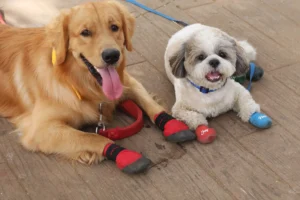
Paws are exposed to cold pavement, ice, and snow directly, and boots protect against frostbite, cracked pads, and irritation from salt or ice melt chemicals used on sidewalks and roads. Boots also improve traction on ice for dogs prone to slipping. Getting a dog used to wearing boots typically takes patience, since the sensation on their paws is unfamiliar at first, short practice sessions indoors before the first real walk make the transition much smoother.
Signs of Hypothermia and Frostbite to Watch For
In genuinely cold climates, knowing the warning signs of cold related injury matters more than any specific piece of gear. Early signs of hypothermia include shivering, lethargy, weakness, and a noticeably cold feeling to the ears and paws. As it progresses, look for stumbling, an unusually slow heart rate, or dilated pupils, all of which warrant getting your dog somewhere warm immediately and contacting a vet.
Frostbite most commonly affects the ears, tail, and paws, since these areas have less insulation and reduced blood flow in cold conditions. Watch for pale, grayish, or bluish skin in these areas, along with unusual coldness or brittleness to the touch. If you suspect frostbite, warm the area gradually rather than with direct high heat, and contact your vet promptly, since frostbite damage is not always immediately obvious.
Getting Your Dog Used to Wearing Gear
Many dogs are unfamiliar with the sensation of clothing and need a gradual introduction rather than being fully dressed and sent outside on day one. Start by letting your dog sniff and investigate the jacket or boots indoors, then reward calm behavior around the item itself before ever putting it on. Once you do put it on, keep the first few sessions short and reward your dog throughout, gradually increasing the time worn as they show they are comfortable. This mirrors the same patient, reward based approach that works for any new training situation, forcing it on quickly tends to create more resistance than it solves.
Checking Collar Fit Under Winter Layers
This is a detail a lot of winter gear guides skip entirely. Once your dog is dressed in a jacket or snowsuit, their collar needs to be rechecked, since bulky layers can shift how a collar sits or make it harder to access quickly in an emergency. A collar that fit perfectly on bare fur can feel different once there is a layer of insulation underneath it, and some owners find they need to loosen the fit slightly to account for the added bulk. Our guide on how tight a dog collar should be covers the two finger rule, which is worth rechecking once your dog is fully dressed for a walk rather than relying on how it fit without any layers underneath.
If your dog wears a harness instead of a collar for walks, winter layers can also affect harness fit in the same way, and our collar versus harness comparison is worth revisiting if you are deciding which works better once bulkier winter gear is added to the mix.
Leash Length in Winter Conditions
Icy or snow covered ground changes footing for both of you, and a shorter, more controlled leash often makes sense during winter walks specifically, since it gives you quicker reaction time if your dog slips or a patch of ice catches either of you off guard. Our guide on best leash length for walking your dog breaks down which lengths suit different walking conditions in more detail.
Why Nylon Holds Up Well in Winter Weather
If you are also thinking about your dog’s everyday collar heading into winter, material matters here too. Nylon resists moisture far better than leather, which becomes more brittle and prone to damage with repeated exposure to snow, slush, and rock salt. Our comparison of nylon, leather, and fabric collar materials goes into this in more depth, but for winter specifically, nylon’s water resistance is a genuine practical advantage.
The FIS Classic Collar for Dogs in Black is built from durable, water resistant nylon webbing, holding up well through wet, snowy walks without the maintenance leather would need after regular exposure to winter conditions. Its fully adjustable strap also makes it easy to slightly loosen the fit if you need extra room to account for a jacket or added winter bulk around the neck.
Frequently Asked Questions
Does my dog really need a winter coat?
It depends on your dog’s breed, coat type, age, and health rather than temperature alone. Small, short haired, senior, or young dogs typically need extra protection well before temperatures reach freezing, while thick, double coated breeds bred for cold climates often do not need additional layers at all, even in genuinely cold weather.
What temperature is too cold for a dog to go outside without protection?
This varies significantly by breed and individual dog, but as a general guideline, most dogs without heavy natural insulation start needing protection once temperatures drop toward freezing, and nearly all dogs benefit from limiting time outside and adding protective layers well below that point. Watching your specific dog’s behavior, shivering, reluctance to walk, or lifting paws, is a more reliable signal than a specific number on a thermometer.
How do I know if a winter jacket fits my dog correctly?
A properly fitted jacket should sit snugly without restricting shoulder movement or rubbing at the neck and armpit areas. You should be able to fit a flat hand between the jacket and your dog’s body, similar in principle to the two finger rule used for collar fit. It should also fully cover the chest and belly without leaving significant gaps where cold air can get in.
Can dogs get frostbite even with a coat on?
Yes, since most jackets do not cover the ears, tail, or paws, which are the areas most commonly affected by frostbite. A coat helps protect the torso, but boots and awareness of exposure time still matter for fully protecting a dog in genuinely cold conditions.
Conclusion
The right winter gear depends entirely on your specific dog rather than a one size fits all shopping list. Start by honestly assessing whether your dog’s breed, coat, age, and health actually call for extra protection, then build up the right combination of jacket, waterproof layer, or boots based on your climate’s specific conditions. Whatever you add, take the time to introduce it gradually, and always recheck your dog’s collar or harness fit once they are dressed, since a great winter wardrobe does not do much good if the basics underneath it are not fitting properly.