
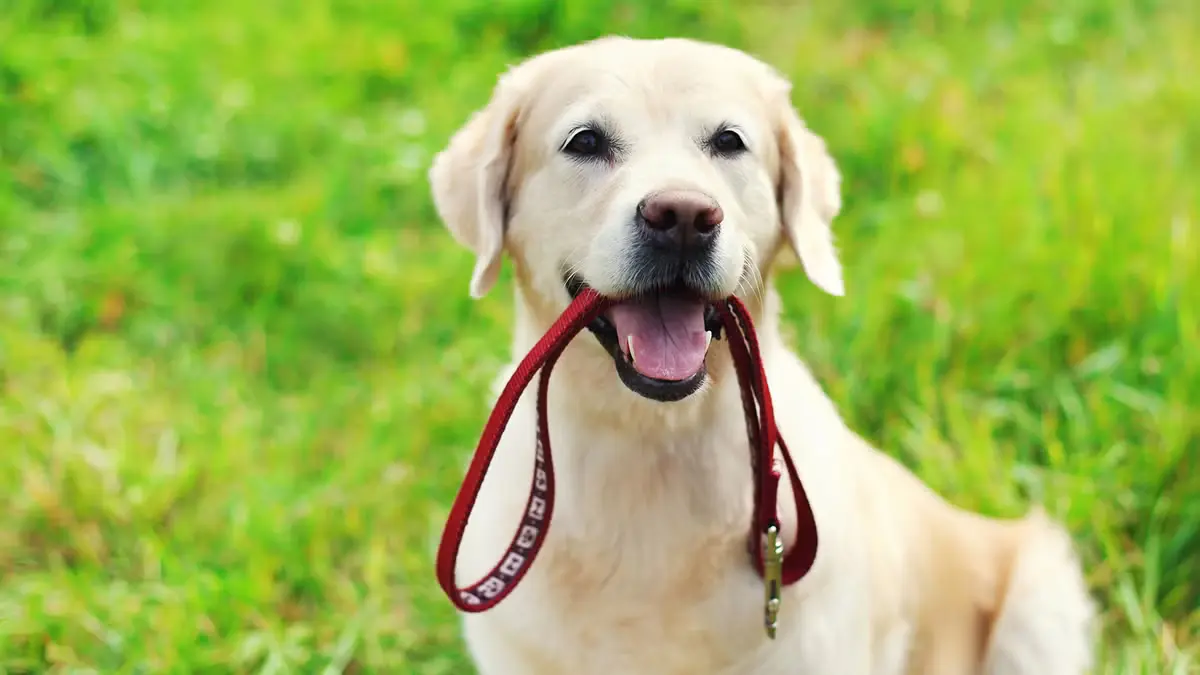
A leash is one of those items that quietly does its job every single day until, suddenly, it does not. A frayed strap or a clip that no longer closes properly is not just an inconvenience, it is a real safety risk on a walk. There is no single expiration date stamped on a leash, but there are clear signs and general timelines that tell you when it is time for a new one.
Table of Contents
Key Takeaways
- Most leashes last somewhere between 6 months and 3 years, depending on material, usage intensity, and environment
- Power pullers, water loving dogs, and beach or trail regulars wear through leashes noticeably faster than calm, casual walkers
- Fraying, stiff or cracking material, and a clip that does not snap shut securely are the clearest signs it is time to replace a leash
- Leather leashes are vulnerable to drying out and cracking, while nylon tends to fray at stress points and can weaken from repeated water exposure
- Hardware failure, a loose clip or a D-ring that no longer sits properly, tends to happen suddenly rather than gradually
- Chewing damage should be treated as an immediate replacement trigger, not something to monitor over time
Why Leash Lifespan Is Not a Fixed Number
Unlike a product with a printed expiration date, a leash’s actual lifespan depends heavily on how it is used. A leash used for calm, short walks on paved sidewalks a couple of times a day will hold up far longer than one used daily by a large, strong dog that leans hard into every pull. Environment matters just as much, dogs that swim, walk on muddy trails, or spend time at the beach expose their leash to water, salt, and grit that wears down material considerably faster than dry, everyday use.
General Replacement Timelines
As a rough guide, most leashes fall into one of these ranges depending on how they are used:
- Light, everyday use on a calm dog with mostly indoor or paved walks can often last 18 months to 3 years before showing meaningful wear.
- Regular daily use with an average activity level typically sees a leash holding up well for 12 to 18 months.
- Heavy use, including strong pullers, frequent hikes, or regular water exposure, often calls for replacement every 6 to 9 months.
These are starting points rather than hard rules. A leash that still looks and functions like new at the 18 month mark does not need replacing just because a calendar says so, and one that shows real damage well before that window absolutely should be swapped out early.
Signs It Is Time for a New Leash
Rather than tracking exact dates, it is far more reliable to check the leash itself for these warning signs.
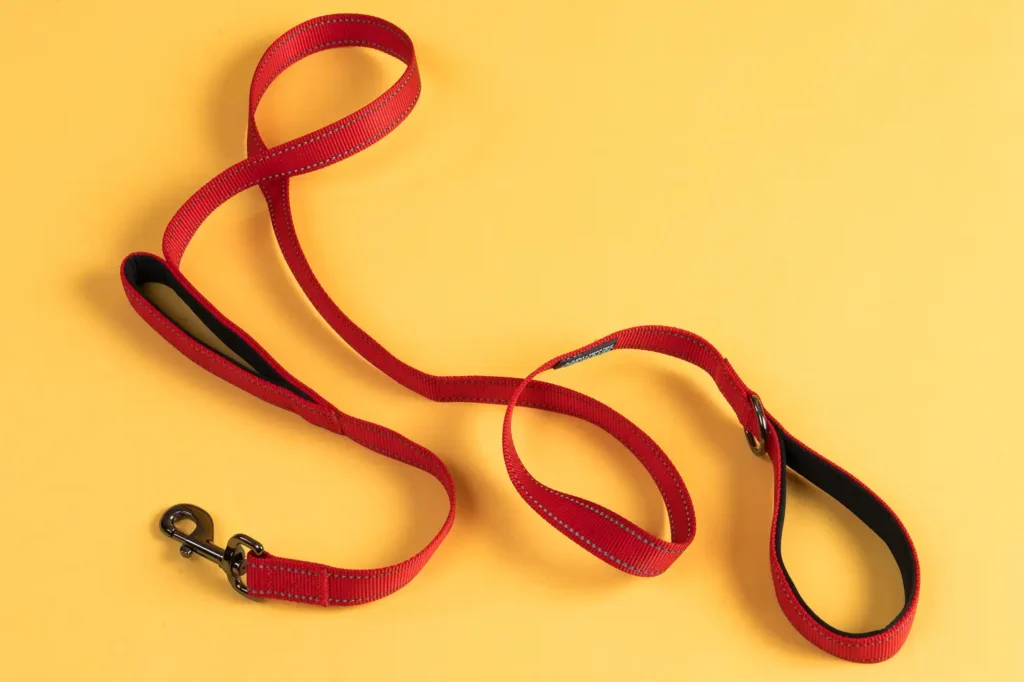
- Fraying or thinning material, especially near the handle or the clip, where tension concentrates most
- Stiffness or visible cracking, particularly in leather leashes that have dried out
- A clip that does not snap shut firmly, or one that feels loose or wobbly when attached
- A D-ring that no longer sits flush or shows visible bending or stretching
- Persistent odor that will not wash out, which can indicate the material itself is breaking down
- Any chew damage, even minor, which compromises the leash’s structural integrity immediately rather than gradually
If you notice more than one of these at once, that is a strong signal the leash has reached the end of its safe usable life.
How Material Affects Lifespan
Nylon and leather age differently, and knowing the difference helps you know what to watch for.
- Nylon leashes tend to fray at stress points and can weaken gradually with repeated water exposure, though they generally handle everyday wear and moisture better than leather overall. Our comparison of nylon, leather, and fabric materials covers this same tradeoff in more depth, and the same general logic applies to leashes as it does to collars.
- Leather leashes offer a classic feel and often develop a comfortable break in over time, but they are vulnerable to drying out, especially in dry climates or heated indoor environments during colder months. Cracking or a stiff, brittle feel are signs the leather has lost the moisture it needs to stay strong.
Does Leash Length Affect How Often You Should Replace It
Not directly, but the way you use different leash lengths can affect wear patterns. A shorter leash used for tighter control absorbs more direct tension from a pulling dog, while a longer leash used for looser, exploratory walks generally sees less concentrated stress. If you are still deciding what length suits your dog best, our guide on best leash length for walking your dog breaks down which option fits different walking styles and environments.
A Quick Inspection Habit Worth Building
Rather than waiting for a leash to fail mid-walk, a simple monthly check takes less than a minute. Run the leash through your hands feeling for thinning or fraying, test the clip by snapping it open and shut a few times to confirm it holds firmly, and check the D-ring for any bending or looseness. Building this into a regular habit, even loosely tied to another routine task, catches problems well before they become a walk time emergency.
A Straightforward Everyday Option
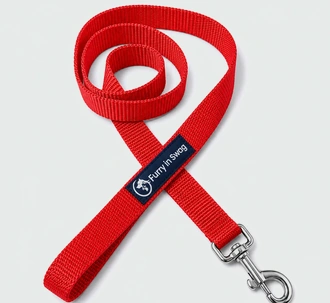
If you are due for a replacement, the FIS Classic Leash For Dog is available in Black and Red as part of the same everyday lineup as our Classic Collar. It is a straightforward, no frills option worth considering when your current leash starts showing the warning signs covered above.
FAQ
How often should I replace my dog’s leash?
Most leashes need replacing somewhere between 6 months and 3 years, depending heavily on your dog’s activity level, the material, and how much water or rough terrain exposure the leash sees regularly. Rather than relying on a fixed number, checking for fraying, stiffness, and hardware issues gives a more accurate picture than time alone.
What are the clearest signs a leash needs to be replaced?
Fraying near the handle or clip, a clip that no longer snaps shut securely, visible cracking in leather, and any chew damage are the clearest signals. A D-ring that looks bent or does not sit flush is also worth treating seriously, since hardware failure tends to happen suddenly rather than gradually.
Is nylon or leather more durable for a dog leash?
Nylon generally handles water and everyday wear better, while leather offers a classic feel but is more vulnerable to drying out and cracking, especially in dry climates. Neither material is universally better, the right choice depends on your dog’s activity level and how much water exposure the leash typically sees.
Should I replace a leash immediately if my dog chews through part of it?
Yes. Even minor chew damage can compromise the leash’s overall strength in ways that are not always obvious just from looking at it, so it is safer to treat any chew damage as an immediate replacement trigger rather than something to monitor over time.
Conclusion
A leash does not need to be replaced on a strict schedule, but it does need regular attention. Watch for fraying, stiffness, hardware issues, and any chew damage, and factor in how hard your specific dog is on gear day to day. A worn leash is one of the easiest safety risks to miss simply because it fails quietly, right up until the moment it does not, so a quick monthly check is a small habit that genuinely pays off.