
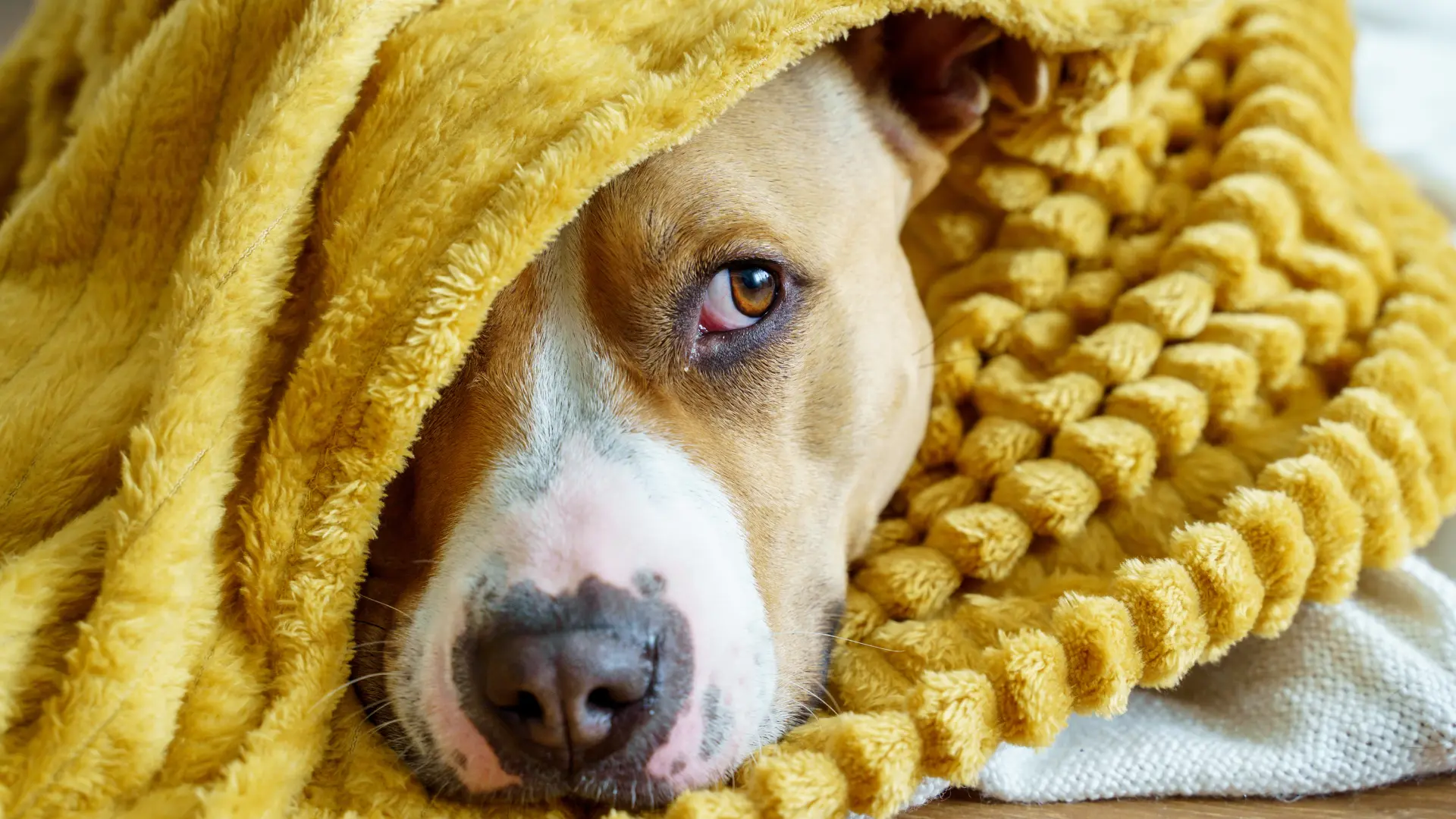
Winter nights can be hard on dogs. The house gets cold, the floor feels like ice, and your dog curls up in a tight ball. That curled-up pose is often a sign your dog is feeling the chill.
Many people think a fur coat is enough. Sometimes it is, but not always. Small dogs, short-haired dogs, puppies, and older dogs lose body heat faster. Even dogs with thick fur can feel cold on a bare floor or in a drafty room.
Table of Contents
This guide shows you how to keep dogs warm at night in 11 simple steps. These tips work whether you live in a snowy place or in a city like Delhi or Meerut, where winter mornings get properly cold. You do not need fancy gear. Most of these ideas use things you already have at home.
How cold is too cold for a dog at night?
There is no one number that fits every dog. Age, size, coat, health, and what your dog is used to all matter. The ASPCA gives a simple rule: if it is too cold for you, it is probably too cold for your pet.
As a rough guide, dogs that feel the cold easily, like small, thin-coated, young, old, or sick dogs, may start to struggle when temperatures drop into the 40s Fahrenheit (about 4 to 9 degrees Celsius). Use this only as a guide. Your dog’s behavior tells you more than a thermometer.
Signs your dog is cold:
- Shivering or shaking
- Curling up very tightly
- Whining or restlessness
- Cold ears and paws
- Hunting for warm spots
A dog’s normal body temperature is about 101 to 102.5 degrees Fahrenheit. Call a vet right away if your dog stops shivering but still feels cold, seems sleepy or confused, or has pale gums. These can be signs of hypothermia. If you are not sure what counts as an emergency, our guide to common dog emergencies explains what to do.
1. Lift the bed off the floor
Cold floors steal heat from your dog all night. Tile, cement, and bare wood are the worst.
Use a raised bed, a thick foam mat, or a folded rug under the bed. A good mat also keeps muddy paws off the bedding, and our guide on what to look for in dog mats can help you choose one. The ASPCA also says to keep your pet’s sleeping spot away from cold floors and drafts. This one small change often helps the most.
2. Pick warm, thick bedding
A thin cotton sheet does not hold heat. Choose bedding with some thickness, like fleece, sherpa, or a foam base with a washable cover.
Here is a quick test. Press your hand into the bed for ten seconds. If it feels cool or flat, it will not keep your dog warm. Dogs that love to burrow like beds with high sides. In India, an old quilt folded as a base, with a soft throw on top, works well. If you would rather buy something new, you can browse our dog bedding and mats.
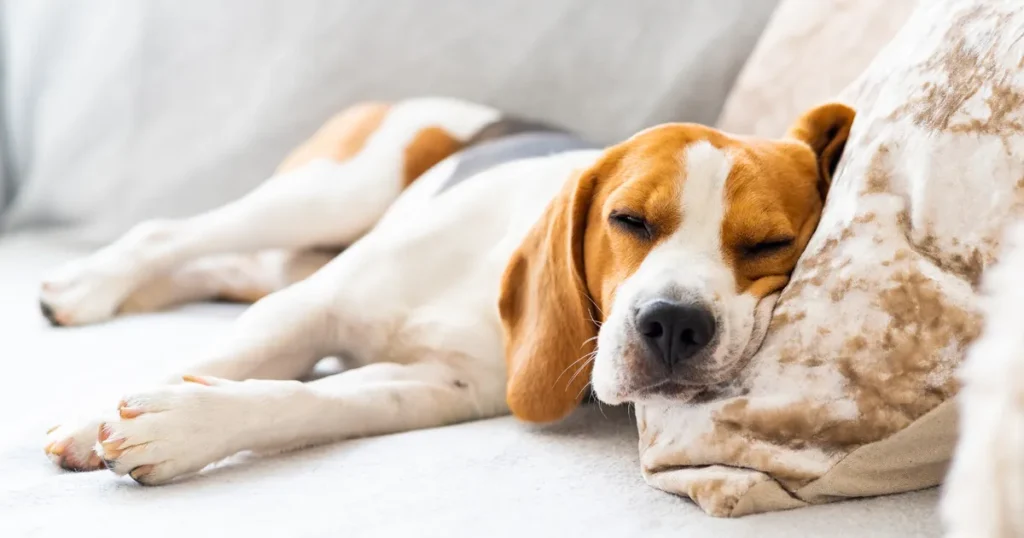
3. Add blankets your dog can burrow into
Many dogs love to dig under covers and make a nest. Put out two or three blankets of different thickness so your dog can pick how much to use.
Choose tightly woven blankets. Loose knits can catch claws and teeth. Wash them once a week. Clean bedding holds heat better and keeps winter skin from itching.
4. Choose the warmest, draft-free spot
Where the bed sits matters as much as what it is made of. Keep it away from doors, windows, balconies, and air vents. Corners are warmer than the middle of a room, and an inside wall is warmer than an outside wall.
If your dog sleeps in a hallway or on the balcony side of the house, winter is a good time to move the bed into a bedroom. Many dogs also sleep better when they can hear the family nearby.
5. Try a sweater or coat at bedtime
A good sweater helps short-coated dogs like greyhounds, whippets, pugs, and Chihuahuas. It also helps puppies and older dogs. The ASPCA suggests a coat or sweater for short-haired dogs in cold weather.
Some dogs hate clothes, and that is fine. Better bedding may be enough for them. If your dog does wear a sweater, follow these rules:
- Pick soft, stretchy fabric with no loose straps or buttons.
- Make sure it does not twist around the legs or make breathing hard.
- Take it off if your dog seems too warm. Panting or restlessness are clues.
6. Use a pet-safe heat source
A heat source can help on very cold nights, but it must be made for pets. Microwavable heat discs and pet heating pads with chew-proof cords are safer than human heating pads or hot water bottles.
Wrap it in a cover and place it on one side of the bed. That way your dog can move away if it gets too warm. Check it often for chew damage. Puppies, older dogs, and dogs that cannot move easily can get burned, so be extra careful with them.
7. Be careful with room heaters
This is where good intentions can go wrong. The American Red Cross warns that a space heater can burn a pet or be knocked over and start a fire.
Keep any heater well out of your dog’s reach. Choose one that switches off if it tips over, and never leave it running all night when no one is awake. If you use a coal or gas heater, keep the room well ventilated. It is safer to warm the room a little and add bedding than to turn the heater up high.
8. Dry your dog before bed
A damp coat makes a dog cold very fast. After an evening walk or a bit of rain, towel dry the body, legs, belly, and between the toes.
The ASPCA also suggests fewer baths in cold weather because they dry out the skin. If your dog needs a wash, do it earlier in the day, dry well, and use a moisturizing shampoo.
9. Feed for the season
Staying warm takes energy. The ASPCA notes that pets burn extra energy in the cold. Dogs that spend a lot of time outside may need a little more food. Indoor dogs that mostly nap on the sofa usually do not.
Do not change meal sizes by guesswork. Ask your vet first, especially if your dog is overweight, older, or on a special diet. Keep fresh water out too. Heated rooms dry the air, and dogs often drink less in winter.
10. Look after paws and skin
Winter can crack paw pads and dry out skin. Wipe your dog’s paws after walks and check for cracks or redness between the toes. A pet-safe paw balm can help. A humidifier can also make dry indoor air easier on both of you.
Do not shave your dog down to the skin in winter. Trim long fur if it collects ice or mud, but leave enough coat to keep your dog warm. Short, neat nails also help your dog walk and stand comfortably, so see how to trim your dog’s nails at home. If your dog scratches a lot at night, tell your vet.
11. Check on your dog, especially puppies and seniors
No setup works for every dog, so check in. Before bed, feel your dog’s ears and paws. They should feel cool to warm, never icy. In the morning, notice if your dog is still tightly curled or shivering.
Puppies cannot control body heat as well as adults. Older dogs, and dogs with arthritis, thyroid, heart, or diabetes problems, often feel colder in winter. If your dog’s sleep habits suddenly change, see your vet. For more on when to act fast, read 11 common dog emergencies and what owners should do.
Please bring outdoor dogs inside on freezing nights. The ASPCA warns that pets left outdoors can freeze, become confused, get lost, or be hurt. If your dog truly must stay outside, give it a dry, wind-proof shelter with straw or warm bedding. Indoors is always safer.
Quick checklist for a warm night
- Bed raised off the floor and away from drafts
- Thick bedding plus two or three blankets
- Dry coat, clean paws, and fresh water
- A sweater for small, short-haired, young, or older dogs if needed
- Heaters out of reach and never left on unattended
- A quick check of ears and paws before bed
Frequently asked questions
How do I keep my dog warm at night without a heater?
Start with insulation, not electricity. Lift the bed off the floor, add a thick blanket or quilt, move the bed away from drafts, and use a sweater if your dog is short-haired. Closing doors to keep heat in one room also helps.
Do dogs get cold at night indoors?
Yes. Rooms cool down overnight, and floors are often much colder than the air. Small, thin-coated, young, and older dogs feel it most, but any dog can get chilly in a drafty home.
Is it okay for my dog to sleep under a blanket?
Usually, yes. Most healthy adult dogs can crawl out if they get too warm. Use light, tightly woven blankets, and watch puppies, very small dogs, and dogs with health problems. They may find it harder to get out.
Should dogs wear sweaters to sleep?
Only if they need one and are comfortable in it. Short-coated breeds, small dogs, puppies, and seniors often benefit. Pick a soft, well-fitted sweater and take it off if your dog seems too warm.
How can I tell if my dog is too cold?
Look for shivering, whining, a curled-up pose, cold ears and paws, and warm-spot hunting. If your dog becomes sleepy, confused, or stops shivering while still cold, call a vet right away.
Final thoughts
Keeping a dog warm at night does not need expensive gear. A raised bed, good bedding, a draft-free corner, and a little attention go a long way. Watch your dog, adjust as the weather changes, and ask your vet when you are unsure.
Want more help caring for your dog? Read more on the Furry in Swag blog, or look through our dog bedding and mats for a comfortable sleeping spot.