
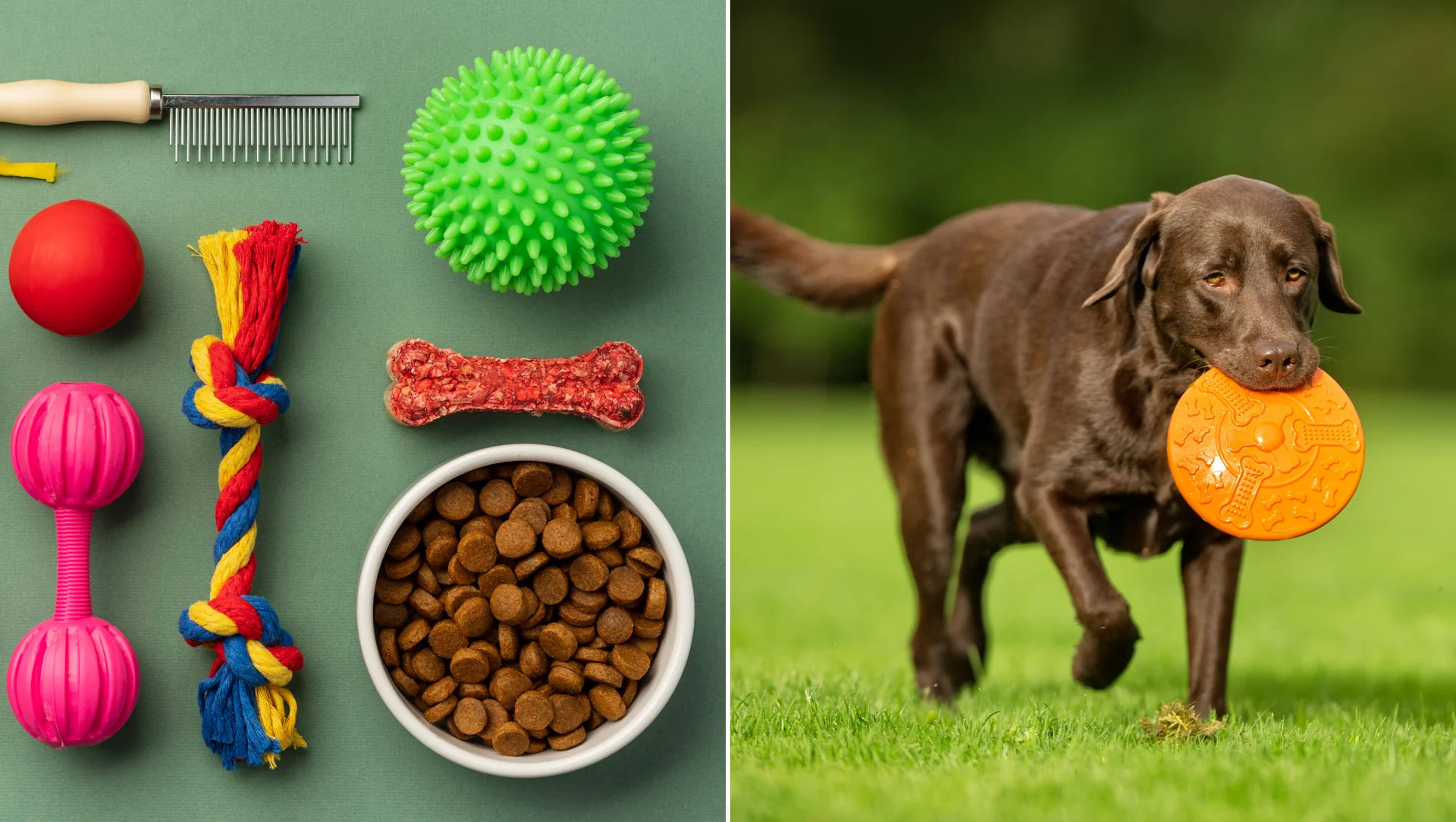
The best dog-friendly activities for active pet parents are hiking, jogging, swimming, fetch games, agility, camping, and dog park visits, mixed with brain work like scent walks and trick training. Pick activities that match your dog’s age, breed, and fitness, start short, and always plan for water, shade, and rest breaks.
Table of Contents
If you run, hike, bike, or just can’t sit still on a Saturday, your dog probably can’t either. The good news is that plenty of activities work for both of you. The trick is choosing ones that fit your dog’s age, breed, and fitness, and not only your own.
Below are 11 activities active pet parents can actually do, with who each one suits, what you need, and the mistake to avoid. If you’re still working out how much movement your dog needs every day, read our post on why exercise matters for your dog’s health and happiness, then come back here for ideas.
Dog-Friendly Activities at a Glance
| Activity | Best for | Energy | Key gear |
| Trail hiking | Medium and large dogs with stamina | High | Harness, water, bowl |
| Scent walks | Every dog, including seniors | Low to medium | Standard leash |
| Swimming | Water-loving dogs of any size | Medium to high | Dog life jacket |
| Jogging | Fully grown, athletic dogs | High | Harness, 6 ft leash |
| Fetch and flirt pole | Ball and chase lovers | High | Ball, flirt pole |
| Agility | Smart, bored, energetic dogs | Medium to high | Cones, tunnel, low jump |
| Camping | Calm, well-socialized dogs | Medium | Tether, bed, food |
| Cafe and shop outings | Social dogs learning manners | Low | Mat, treats |
| Dog park visits | Dogs with good recall | Medium to high | Vaccine records |
| Tricks and brain games | Any dog, any age | Low | Small treats |
| Indoor games | Rainy or hot days | Low to medium | Cushions, treats |
1. Hike a Dog-Friendly Trail
Hiking gives your dog uneven ground, hills, and a fresh set of smells, which is far more interesting than the same block every day. Pick trails that allow dogs, because many parks and reserves do not, and check the leash rules before you leave. Apps like AllTrails let you filter trails by dog access, length, and climb, so you can start with an easy loop and build up. Carry more water than you think you need and offer it every 20 to 30 minutes. When you get home, check your dog’s paws, ears, and coat for ticks and burrs. If your dog comes back muddy and shedding, our guide to controlling dog shedding at home makes the cleanup easier.
- Best for: Medium and large dogs with good stamina
- Energy level: High
- What you need: Harness, 6 foot leash, collapsible bowl, water, waste bags
- Watch out for: Hot rocks, ticks, and steep descents on young or older joints
2. Take a Slow Scent Walk
This one costs nothing and often leaves dogs calmer than a fast walk. Instead of marching toward a goal, let your dog lead and sniff for the whole outing. Sniffing is real mental work, so thirty unhurried minutes in a quiet field or a new street can satisfy a dog who never seems to tire. Keep the leash loose and don’t rush them past interesting spots. If your dog loves it, AKC Scent Work turns the same instinct into an organized sport.
- Best for: Every dog, including seniors, anxious dogs, and flat-faced breeds
- Energy level: Low to medium
- What you need: Standard leash and a few treats
- Watch out for: Litter, dropped food, and lawns treated with chemicals
3. Go Swimming or Visit a Dog Beach
Many dogs love water, but not every dog is a natural swimmer. Bulldogs, pugs, and other heavy-chested or short-legged dogs can sink fast, so a well-fitted canine life jacket is smart for any dog in open water. Start in shallow, calm water where your dog can touch the bottom and leave easily. Skip ponds with green scum or a blue-green film, because some algae are toxic to dogs. Rinse your dog after the swim and dry the ears. If your dog swallowed a lot of water and has a sore belly later, our post on common dog digestive problems explains what to watch for.
- Best for: Water-loving dogs of any size, and dogs who need low-impact exercise
- Energy level: Medium to high
- What you need: Dog life jacket, towel, fresh water to drink
- Watch out for: Strong currents, algae, and dogs gulping water while retrieving
4. Jog or Run Together
Running with your dog works well once your dog is fully grown and fit. Build up slowly, the same way you would with a new running partner, using short run and walk intervals on soft ground like grass or dirt. Use a harness and save runs for cooler hours, early morning or after sunset. Test the pavement with the back of your hand for about seven seconds. If it’s too hot for you, it’s too hot for their paws. If your dog pulls hard, a training tool might look tempting, so read training collars vs regular collars before you buy anything.
- Best for: Adult dogs from athletic breeds such as Labs, Vizslas, and Border Collies
- Energy level: High
- What you need: Harness, 6 foot leash, water for after the run
- Watch out for: Hot pavement, flat-faced breeds, and puppies whose joints are still growing
5. Play Fetch and Flirt Pole Games
Fetch is simple, but a few tweaks make it better for your dog’s body. Throw on grass instead of concrete, and mix up the direction, because sudden stops and twists add up on joints over time. A flirt pole, which is a toy tied to a rope on a pole, lets your dog chase without you throwing anything and works well in small yards. Keep sessions to 10 or 15 minutes and stop while your dog still wants more. Teach a solid drop it cue so the game doesn’t turn into keep away.
- Best for: Ball-obsessed dogs and herding breeds
- Energy level: High
- What you need: Ball or frisbee, flirt pole, a fenced area
- Watch out for: Hard landings, tennis ball fuzz that wears teeth, and overheating
6. Try Backyard Agility
Agility sounds fancy, but you can start at home with a tunnel, a few cones, and a low jump made from a broomstick resting on two buckets. It builds focus, confidence, and body awareness, and it suits dogs that get bored with plain walks. Keep the jumps low at first and lure your dog through each obstacle with treats. If it clicks, local clubs run beginner classes, and AKC agility explains how the sport works.
- Best for: Smart, energetic dogs that need a job
- Energy level: Medium to high
- What you need: Cones, play tunnel, low jump, treats
- Watch out for: Jumping too high too soon, and slippery surfaces
7. Camp With Your Dog
Camping gives your dog a full day of smells and a tired, happy night. Choose a campground that allows dogs and check its leash and quiet hour rules. Bring a secure tether for the campsite, a warm bed, and your dog’s regular food so their stomach stays steady. Never leave your dog alone in a tent or car, since temperatures swing fast. Stay on marked trails and pack out waste, following the Leave No Trace principles.
- Best for: Calm, well-socialized dogs that handle new places
- Energy level: Medium
- What you need: Tether, bed or blanket, food, water, flashlight with a clip for the collar
- Watch out for: Wildlife, cold nights for short-coated dogs, and campfire sparks
8. Visit Dog-Friendly Cafes, Shops, and Markets
Not every outing has to burn energy. Dog-friendly patios, pet stores, and outdoor markets are great practice for calm behavior and give social dogs something new to see. Call ahead, because rules differ by place and city. BringFido lists dog-friendly restaurants, hotels, and attractions by location. Bring a mat for your dog to settle on, and take a walk first so they arrive relaxed. A pet-friendly cafe also makes a nice stop for a celebration, and our post on celebrating your dog’s birthday has more ideas.
- Best for: Social dogs working on manners
- Energy level: Low
- What you need: Settle mat, treats, short leash, water bowl
- Watch out for: Dropped food, crowded floors, and local pet rules
9. Use the Dog Park the Right Way
A good dog park visit is one of the easiest ways to let your dog run off leash and meet other dogs. A bad one can go wrong in minutes. Visit at quiet times, watch the dogs inside the fence before you enter, and leave if play looks tense instead of loose and bouncy. Make sure your dog is vaccinated and comes when called. Skip the park if your dog guards toys or gets nervous in crowds. Small and large dog sections exist for a reason, so use the right one.
- Best for: Dogs with good recall and friendly play habits
- Energy level: Medium to high
- What you need: Vaccine records, water, waste bags, no food or toys from home
- Watch out for: Overexcited play, resource guarding, and rough play with smaller dogs
10. Teach Tricks and Play Brain Games
Mental work counts as activity. Ten minutes of learning spin, roll over, or find it can leave a high-energy dog more settled than another lap around the block. Use small treats, keep sessions short, and teach one thing at a time. The AKC Trick Dog program gives you a clear list of tricks and titles to work toward. Puzzle feeders and snuffle mats are easy add-ons for busy days.
- Best for: Any dog, any age, including dogs recovering from rest or limited exercise
- Energy level: Low
- What you need: Tiny treats, a clicker if you like, a quiet room
- Watch out for: Long sessions that frustrate your dog
11. Set Up Indoor Games for Bad Weather
Rain, heat, snow, and smoky air all happen, so keep a few indoor plans ready. Hide and seek works well: ask your dog to stay, hide in another room, then call them and celebrate when they find you. A hallway obstacle course with cushions to step over and a chair to weave around burns real energy. Rotating toys and hiding treats around the room adds variety. Keep floors non-slip and clear of breakables.
- Best for: Rainy days, heat waves, and dogs on limited exercise
- Energy level: Low to medium
- What you need: Cushions, treats, a hallway or open room
- Watch out for: Slippery floors and over-excited zoomies near furniture
How to Match Activities to Your Dog
Your dog’s body decides the plan, not your training schedule. A few quick rules help.
- Puppies: Keep to short play and gentle walks. Avoid repeated jumping, long runs, and hard surfaces until your vet says the joints are mature, which takes longer in large breeds.
- Senior dogs: Choose scent walks, shallow swimming, and short trails. Watch for stiffness the next morning, which tells you the last outing was too much.
- Flat-faced breeds: Pugs, bulldogs, and similar dogs overheat quickly. Stick to cool hours, short sessions, and plenty of shade.
- Working and herding breeds: Add a mental task to every outing, such as a trick or a find it game, so the body and the brain both get worked.
Frequently Asked Questions
What are the best dog-friendly activities for active people?
Hiking, jogging, swimming, fetch, and agility give you and your dog a real workout. Add scent walks and trick training on easier days so your dog gets mental exercise too.
How much exercise does an active dog need each day?
Most active dogs do well with 30 to 60 minutes or more, but it depends on breed, age, and health. Our post on why exercise is important for your dog explains how to read your dog’s needs.
Can I take my puppy hiking or running?
Short, gentle walks and play are fine. Save long runs, repeated jumping, and hard hikes until your vet confirms your puppy’s joints have matured. Large breeds need more time.
Conclusion
The best activity is the one your dog enjoys and can handle safely. Start small, pay attention to how your dog moves and recovers, and add variety as you go. Even ten focused minutes together beats a long outing where your dog is struggling to keep up.