
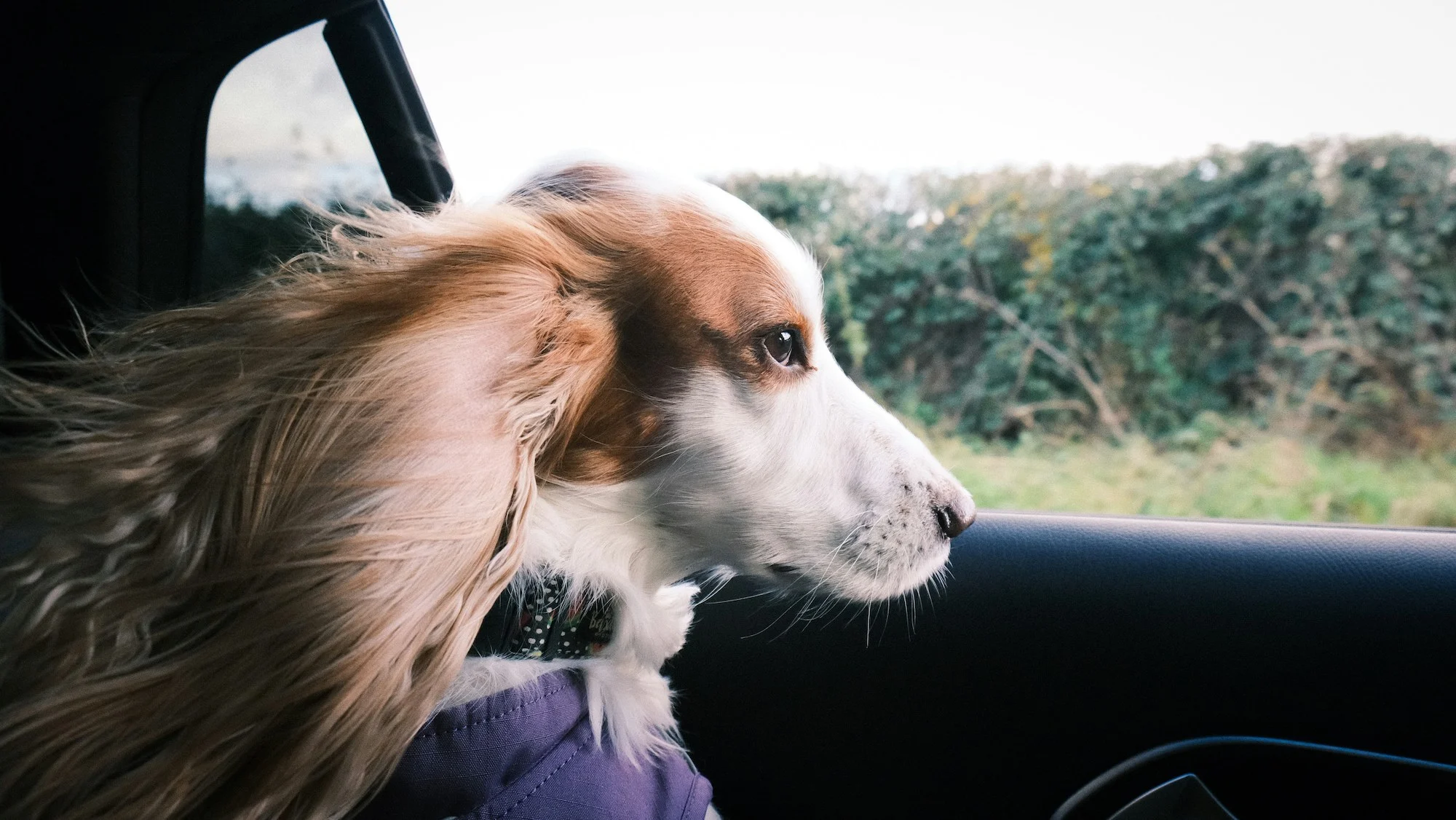
Your dog has no idea where you’re going. That’s the part nobody mentions. You’ve booked the cabin, packed the snacks and made a playlist, while your dog is sitting by the car door wondering why the last time they got in one of these, someone poked them at the vet.
A good first road trip changes that story. With the right dog first road trip tips, the car becomes the place where the fun starts, not the place where scary things happen.
Table of Contents
Here are fifteen tips that cover safety, comfort, packing and the small stuff that makes or breaks a long drive. Some take five minutes. A couple need a few weekends of practice. All of them are worth it.
Key Takeaways
- Practise with short, fun drives well before the big trip. Don’t make the road trip the first trip.
- Restrain your dog properly in the back seat, with a harness or crate that is actually crash-tested.
- Stop every two to three hours for water, a toilet break and a stretch.
- Never leave your dog alone in a parked car, even for a few minutes with the windows down.
- Pack a dog bag of your own: food, water, records, first-aid basics and something that smells like home.
What Is a Dog’s First Road Trip?
A dog’s first road trip is a long car journey, usually several hours or more, where your dog travels, rests and stays somewhere new. Unlike a short ride to the park, it tests how your dog handles motion, confinement and changes in routine, so it needs preparation.
How Your Dog Experiences a Road Trip
You see a holiday. Your dog sees a moving box full of strange smells, vibrations and sounds, with no explanation attached.
Some dogs love it from minute one. Others drool, whine or refuse to get in. Neither is odd. Dogs who only ever ride to the vet learn to read the car as a warning sign, and a long drive can feel like a very big warning.
The goal of all fifteen tips is to rewrite that message: the car means good things are coming.
Why Preparing for a Dog Road Trip Matters
Planning matters more with dogs than with most travel companions, because your dog can’t tell you what’s wrong. A loose dog in a sudden stop, a missed water break or an overheated car can turn a good day bad in seconds.
Safety bodies and vets keep repeating the same advice for a reason. A commonly cited estimate puts the force of an unrestrained 10-pound dog in a 50 mph crash at around 500 pounds. That’s why restraint tops most expert lists.
The upside is real, too. Dogs who learn that car trips lead to walks, new smells and time with you tend to settle quickly and even sleep through the miles.
Key Benefits of Preparing Your Dog
Preparing properly pays off in ways you’ll notice on day one:
- A calmer, safer ride for your dog and everyone else in the car
- Fewer messy surprises like car sickness and toilet emergencies
- Less stress at rest stops, hotels and unfamiliar places
- A smoother drive, since you aren’t managing a restless dog in the back
- Better memories, which means more adventures together
15 Tips for Your Dog’s First Road Trip
Here are the fifteen tips, roughly in the order you’ll need them. Start the first few weeks before departure and finish with the ones for the road itself.
1. Check That the Trip Suits Your Dog
Before anything else, ask honestly: will this trip be good for your dog, or just convenient for you? Very young puppies, senior dogs, dogs with health issues and dogs who panic in cars may find long drives hard.
Tell your vet about your plans. They can check vaccinations, discuss any medication, and talk through motion sickness before you leave.
2. Take Short Practice Drives First
Don’t make the big trip their first trip. Start with five-minute drives to somewhere wonderful, like a park or a favourite walk. Gradually stretch to thirty minutes, then an hour.
Within a few outings, many dogs start bouncing at the sight of the car keys.
| Try this weekend: Drive for ten minutes, walk for twenty, drive home. Repeat three times. Your dog is learning that cars lead to fun. |
3. Turn the Car Into a Happy Place
If the car only ever means the vet, change the meaning. Sit in the parked car together with a treat or a chew. Feed a meal or two in there. Play a quick game with the doors open.
Pick a designated spot for your dog and ask them to settle there every time. Predictability helps nervous travellers feel safe.
4. Restrain Your Dog the Right Way
Dogs should never roam loose in a moving car. The safest options are a crash-tested harness clipped to a seat-belt system, or a sturdy crate secured in the vehicle. The back seat is safer than the front.
Be careful with the phrase “crash-tested.” It isn’t a regulated term, and plenty of products use it loosely. Look for brands that can show independent test results.
Whatever you use, make sure the fit is right. A loose harness won’t hold, and an uncomfortable one will be fought every time. Never attach a seat belt to a collar alone.
5. Update Your Dog’s ID
Dogs can slip a collar at a rest stop faster than you’d believe. Make sure your dog has a tag with your current phone number and, ideally, an up-to-date microchip registration.
Keep a clear photo of your dog on your phone, just in case you need it.
6. Pack a Proper Dog Bag
Pack your dog’s bag like your own. Include their usual food, plenty of water, collapsible bowls, an extra leash and collar, waste bags, any medication, and copies of vaccination records.
Take a towel for muddy paws and drool. And pack a familiar blanket or mat, since the smell of home is a surprisingly powerful calming tool in a strange place.
7. Build a Mini First-Aid Kit
You probably won’t need it. You’ll be very glad to have it if you do. Pack bandages, antiseptic wipes, tweezers for ticks or splinters, and your vet’s phone number.
Look up an emergency vet near your destination and along your route before you leave. Saving that number takes two minutes.
8. Feed Light and Plan for Motion Sickness
A heavy meal right before the drive is a classic recipe for a messy back seat. Feed a smaller portion about three hours before you leave, and skip feeding while the car is moving.
If your dog still gets queasy, talk to your vet about safe options. Never give human motion-sickness medicine or sedatives without professional advice.
Watch for early signs: lots of drooling, repeated lip licking, yawning or restlessness. Pull over, let them out and offer water.
9. Burn Energy Before You Leave
A tired dog is a travel-ready dog. A brisk walk, a game of fetch or a sniffy wander around the block before departure takes the edge off and helps your dog settle once the engine starts.
Keep it relaxed rather than frantic. You want a pleasantly tired dog, not an overheated one.
10. Plan Stops Every Two to Three Hours
Dogs need water, a toilet break and a leg stretch about every two to three hours. Build these stops into your schedule, and expect the trip to take longer than the map says.
Choose safe, fenced or quiet spots when you can. Always put the leash on before opening the car door, since an excited dog can bolt in a second.
| Quick check: At every stop: leash on, water offered, toilet break, a five-minute sniff walk, harness checked. That’s the whole routine. |
11. Never Leave Your Dog Alone in the Car
This is the one rule with no exceptions. Cars heat up frighteningly fast, even in mild weather and even with the windows cracked, and heatstroke can be fatal.
If you need to go into a shop or restaurant, plan to eat in turns, order takeaway, or choose dog-friendly places where your dog can come too.
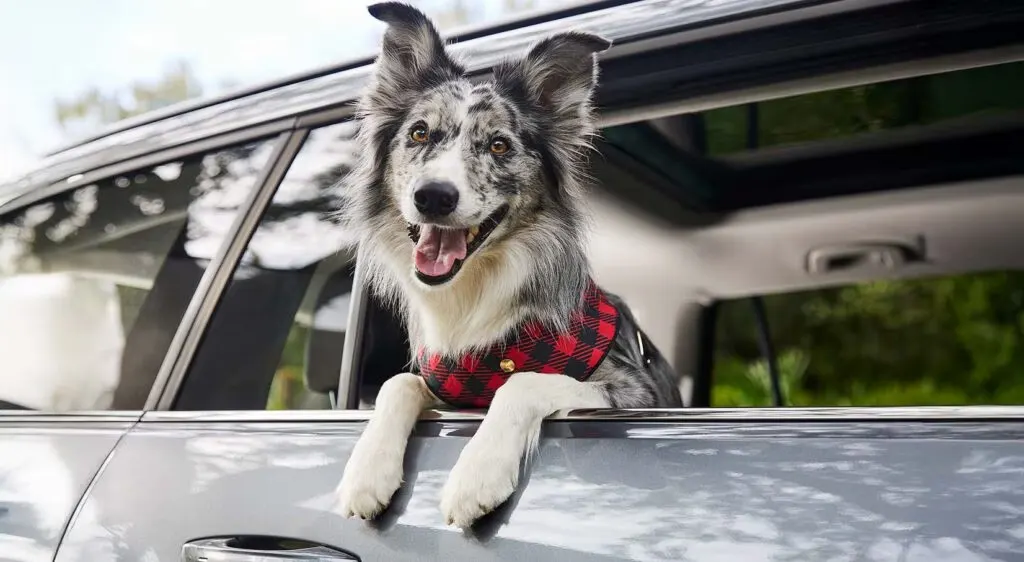
12. Keep Windows Safe
Fresh air is lovely, but a dog hanging out of a window risks eye injuries from flying debris and, worse, a fall or a jump. Open the window just enough for air to move, or use the air conditioning.
Use window shades if the sun is beating on your dog’s seat.
13. Bring Comfort Items and Something to Do
Long hours can bore a dog just as much as they bore a child. A chew toy, a stuffed treat toy or a familiar blanket makes a difference.
Save the really exciting treats for rest stops. Keep in-car snacks light so nothing upsets the stomach.
14. Book Dog-Friendly Stays in Advance
Not every hotel or homestay welcomes pets, and the rules vary widely. Check pet policies, extra fees and size limits before you commit.
Ask about where your dog can be left alone, if at all, and bring a crate or mat so your dog has a familiar base in the new room.
15. Read Your Dog and Stay Calm
Your dog picks up on your mood. If you’re tense about traffic, they’ll feel it. Speak in a relaxed voice, praise them when they settle, and keep the first few hours uneventful.
Watch for heavy panting, nonstop whining or refusing water. Those are signals to pull over, give a break and offer water. If something seems seriously wrong, call a vet.
Common Dog Road Trip Mistakes to Avoid
Even experienced travellers slip up on these. Avoid them and you’re ahead of most first-time dog parents.
- Making the road trip the first car ride. Without practice, nerves and sickness show up at the worst moment.
- Skipping restraint. Loose dogs are a danger to themselves and everyone in the car.
- Forgetting rest stops. Long stretches without a break lead to accidents, stress and a cranky driver.
- Changing the diet. New food on a trip is a quick route to an upset stomach.
- Underestimating the heat. Never leave the dog in a parked car, and watch for panting and drooling.
Expert Tips From Experienced Dog Owners
- Always put the leash on before opening the door at a stop. Always.
- Keep a ‘go bag’ by the door for the first week so nothing is forgotten.
- Take photos of the first trip. It makes the second one easier to plan.
- Let your dog sniff around at rest stops. It tires and calms them.
- Arrive early at your stay so your dog can explore before bedtime.
Frequently Asked Questions
How long can a dog stay in the car without a break?
Plan a break every two to three hours. That gives your dog time to drink, go to the toilet and stretch. Puppies, seniors and dogs prone to sickness may need breaks more often.
How do I stop my dog from getting car sick?
Start with short practice drives, feed lightly a few hours before the trip, keep the car cool and well ventilated, and take breaks. If your dog still struggles, ask your vet about safe options rather than guessing at medication.
Where should my dog sit in the car?
The back seat is the safest spot, secured by a crash-tested harness or in a crate that is firmly anchored. Avoid the front seat, and never let your dog ride in an open truck bed.
Can I leave my dog in the car for a few minutes?
No. Cars heat up quickly, even on mild days and with windows cracked, and heatstroke can be fatal. Take turns going inside, choose dog-friendly places, or leave your dog at home.
How do I calm an anxious dog in the car?
Build positive associations slowly: treats in the parked car, short happy drives, a familiar blanket and a calm voice. If anxiety is severe, speak to your vet or a qualified trainer for a plan.
Conclusion
A dog’s first road trip is a small adventure in itself. With practice drives, proper restraint, regular stops and a well-packed dog bag, these dog first road trip tips can turn a potentially stressful day into the first chapter of many.
Pick three things to start this week: a short practice drive, a harness fitting and a vet chat. Then work through the rest. By the time you’re on the road, your dog will be the one asking to go.
Setting up for the journey? A comfortable collar, a sturdy lightweight leash and a soft mat make rest stops and hotel rooms feel like home. Take a look at the FurryInSwag range for small paws and big adventures.