

Those pleading eyes under the dinner table are hard to ignore. The good news is you do not always have to. A number of human foods are genuinely safe for dogs when they are prepared plainly and given in reasonable amounts, and several of them even offer real nutritional benefits alongside the treat factor.
Table of Contents
Below are 10 human foods that are actually safe for dogs, along with how to serve each one properly and a few things to watch out for so a good intention does not turn into a vet visit.
Key Takeaways
- Human foods should stay occasional, generally no more than 10 percent of a dog’s total daily diet.
- Plain preparation matters most. No seasoning, salt, butter, oils, or sauces.
- Some common human foods, like chocolate, grapes, and onions, are genuinely toxic and should never be shared.
- New foods should be introduced in small amounts first to watch for any reaction.
- Portion size and your dog’s individual health history matter just as much as the food itself.
A Quick Word Before You Start Sharing
Safe does not mean unlimited. Even foods on this list can cause an upset stomach if given in large amounts or too often, since a dog’s digestive system is not built to suddenly handle a big shift in diet. Introduce anything new in a small amount first, then watch how your dog responds over the following day before making it a regular addition.
Preparation matters just as much as the food itself. A plain piece of grilled chicken is a great snack. That same chicken cooked in butter, garlic, and onion seasoning is a completely different story, and can genuinely make a dog sick. Keep everything plain, unseasoned, and free of added sugar or salt.
1. Carrots
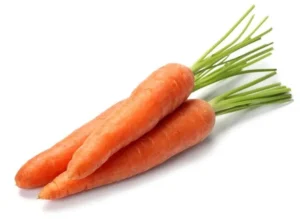
Carrots are one of the easiest safe foods to keep on hand, since most dogs enjoy the crunch and they require almost no preparation. They are low in calories and packed with vitamin A, which supports eye health, and the natural crunch can help scrape a bit of plaque off teeth during chewing.
Serve them raw or lightly steamed, chopped into pieces appropriate for your dog’s size. Whole baby carrots can be a choking risk for small dogs or fast eaters, so cutting them down is worth the extra minute.
Beyond vitamin A, carrots also carry a decent amount of fiber and beta carotene, which some owners use as a mild digestive aid alongside pumpkin. A medium sized dog can usually handle a few slices a couple of times a week without any issue, while smaller breeds should stick to just one or two pieces at a time. Frozen carrots are also a popular option for teething puppies, since the cold firmness gives sore gums something satisfying to chew on. Just supervise closely, since a frozen carrot is harder and slightly more of a choking risk than a fresh one.
2. Plain Cooked Chicken
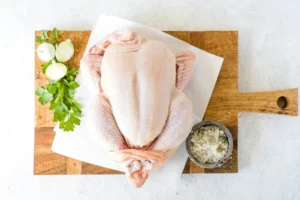
Plain, cooked chicken is one of the most reliable protein sources you can share, and it is actually a common ingredient in commercial dog food for exactly that reason. It is lean, easy to digest, and generally well tolerated even by dogs with sensitive stomachs.
Boil or bake the chicken without any seasoning, oil, or butter, and remove the skin and bones before serving. Bones, even cooked chicken bones, can splinter and cause serious internal injury, so this step is not optional.
Boiling tends to be the safest cooking method, since it avoids added fats entirely and the resulting broth, as long as it is unsalted and free of onion or garlic, can even be poured over kibble as a flavorful boost for a picky eater. Shredded chicken breast also works well as a high value training treat, since it is lean enough to use often without adding much extra fat to your dog’s daily intake. For dogs recovering from an upset stomach, a small amount of plain boiled chicken mixed with rice is a commonly recommended bland diet that vets often suggest for a day or two before returning to regular food.
3. Pumpkin
Plain pumpkin is a favorite recommendation for dogs dealing with occasional digestive upset, since its fiber content can help firm up loose stools or ease mild constipation. It is gentle on the stomach and most dogs genuinely seem to enjoy the taste.
Stick to plain canned pumpkin, not pumpkin pie filling, which contains added sugar and spices that are not meant for dogs. A spoonful mixed into regular food is typically enough for most dogs, and more is not necessarily better here.
A general guideline many owners follow is about one teaspoon of pumpkin for small dogs and up to a tablespoon or two for larger breeds, mixed directly into a meal. Pumpkin also freezes well in ice cube trays, which makes it easy to portion out ahead of time and thaw only what you need. If you cannot find plain canned pumpkin, roasted fresh pumpkin with the skin and seeds removed works as a substitute, though the canned version tends to have a more consistent texture and fiber content batch to batch.

4. Blueberries
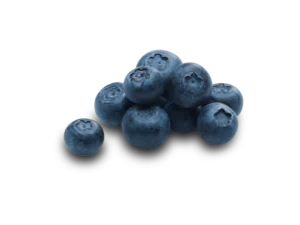
Blueberries are small enough to hand out as training treats and come packed with antioxidants that support overall health. Their size also makes them a lower choking risk compared to larger fruit pieces, though supervision still matters with any new treat.
Fresh or frozen both work fine, and there is no need to peel or prepare them beyond a rinse. As with most fruit, moderation matters since the natural sugar content can add up if given too generously.
Frozen blueberries make an especially good warm weather treat, since the cold temperature adds a bit of extra appeal on a hot day without any added ingredients. A handful, roughly five to ten berries depending on your dog’s size, is a reasonable serving for most dogs. Blueberries are also low on the glycemic index compared to many other fruits, which makes them a slightly better option than something like grapes or dried fruit for dogs who need to watch their sugar intake, though grapes themselves should never be given regardless of that comparison.
5. Green Beans
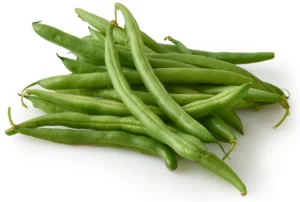
Green beans are low in calories and high in fiber, which makes them a popular choice for dog owners managing a dog’s weight without cutting back on portion satisfaction. Many dogs enjoy the crunch of a raw green bean just as much as a steamed one.
Fresh or frozen green beans are the better choice here. Canned versions often contain added salt, which adds up quickly if green beans become a regular snack, so check the label carefully if that is your only option.
Some owners use plain steamed green beans as a partial meal replacement under a vet’s guidance for overweight dogs, since the beans add volume and a feeling of fullness without many calories. This should only be done with veterinary input, since replacing too much regular food can lead to nutritional gaps over time. As an everyday treat rather than a meal replacement, a handful of chopped green beans mixed into a meal or handed out one at a time is a simple way to add variety without much risk.
6. Peanut Butter
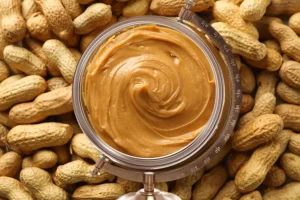
Peanut butter is a genuine favorite for stuffing puzzle toys or hiding a pill, offering protein and healthy fats along with a taste most dogs go wild for. It is also one of the foods where checking the label really matters.
Some peanut butter brands use xylitol as a sweetener, and xylitol is highly toxic to dogs even in small amounts. Always check the ingredient list for xylitol before sharing peanut butter, and stick to plain, unsalted varieties where peanuts are the only ingredient.
A small dab, around half a teaspoon for a small dog and up to a tablespoon for a larger breed, is plenty as an occasional treat. Because peanut butter is fairly calorie dense and high in fat, it is best used sparingly rather than as a daily habit, especially for dogs prone to weight gain or pancreatitis. Natural peanut butter with no added ingredients beyond peanuts, and occasionally a small amount of salt, is generally the safest choice, and making your own by blending roasted unsalted peanuts is an easy way to guarantee there is nothing questionable in the jar.
7. Cooked Eggs
Eggs are a solid source of protein and amino acids, and most dogs digest them well when they are fully cooked. Scrambled or boiled, without butter, oil, or seasoning, works best.
Raw eggs should be avoided due to the risk of bacterial contamination and because raw egg whites contain an enzyme that can interfere with biotin absorption over time. Fully cooked removes both of these concerns entirely.
A single scrambled or hard boiled egg is generally enough for even a large dog as an occasional addition, since eggs are fairly rich and calorie dense compared to their small size. Boiled eggs also travel well, which makes them a convenient protein boost to pack along on a trip or long day out. Some owners rotate eggs in as a mix in topper once or twice a week, which is usually enough to enjoy the benefit without overdoing the added calories.

8. Sweet Potato
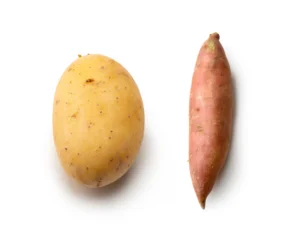
Sweet potato brings a good dose of fiber and vitamin A to the table, and its naturally soft texture once cooked makes it easy for most dogs to eat and digest without issue.
Cook it fully, either baked, boiled, or steamed, and serve it plain, mashed or cut into cubes appropriate for your dog’s size. Raw sweet potato is much harder to digest and can be a choking risk, so skip serving it uncooked.
Dehydrated sweet potato slices, sometimes sold as sweet potato chews, are a popular alternative to fresh preparation and work well as a longer lasting chew treat rather than a meal addition. A few cubes mixed into regular food a couple of times a week is a reasonable amount for most dogs. Because sweet potato is fairly starchy, dogs managing diabetes or significant weight issues should have portions discussed with a vet first, even though it is considered safe for the general dog population.
9. Cooked Salmon
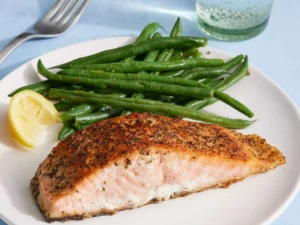
Cooked salmon delivers a strong dose of omega 3 fatty acids, which support skin and coat health and can help reduce inflammation over time. Because it is nutrient dense, a little goes a long way, and it works best as an occasional addition rather than a daily staple.
Always serve salmon fully cooked, plain, and free of bones. Raw or smoked salmon carries a risk of parasites that can be genuinely dangerous for dogs, so this is one food where proper cooking is non negotiable.
Baking or poaching salmon without oil or seasoning is the simplest preparation method, and leftover salmon from your own dinner works well as long as it was not cooked with garlic, onion, or heavy seasoning blends. A few small flakes mixed into a meal once or twice a week is generally sufficient, since overdoing fish based treats can lead to excess vitamin intake over time. Canned salmon packed in water, rather than oil, can also work in a pinch, as long as it is unsalted and any bones are removed first.
10. Watermelon
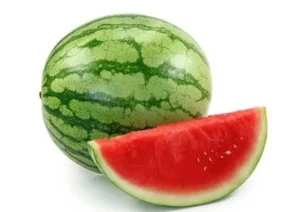
Watermelon is mostly water, which makes it a refreshing, low calorie treat during warmer months, especially for dogs that need encouragement to stay hydrated. The natural sweetness also makes it a popular hot weather favorite among dogs.
Remove all seeds and the rind before serving, since both can cause an intestinal blockage if swallowed. Stick to small chunks of the flesh only, and treat it as an occasional snack rather than a daily habit.
Freezing small watermelon chunks turns them into an easy summer treat that also helps a dog cool down on a hot day, similar to an ice cube but with more flavor. Seedless watermelon varieties make preparation much easier and reduce the risk of missing a seed, though even seedless watermelon can contain a few small soft seeds that are usually harmless if accidentally swallowed in small numbers. A cup or so of cubed watermelon is a reasonable serving for a medium to large dog on a warm afternoon, scaled down for smaller breeds.
Comparison Table: Safe Human Foods at a Glance
| Food | Main Benefit | Serving Tip | Watch Out For |
| Carrots | Vitamin A, dental health | Raw or steamed, chopped | Choking hazard if whole |
| Plain Cooked Chicken | Lean protein | No skin, bones, or seasoning | Excess salt or seasoning |
| Pumpkin | Fiber, digestion support | Plain canned, not pie filling | Added sugar in pie mix |
| Blueberries | Antioxidants | Fresh or frozen, whole is fine | Overfeeding causes stomach upset |
| Green Beans | Low calorie fiber | Steamed or raw, chopped | Canned beans with added salt |
| Peanut Butter | Protein, healthy fats | Unsalted, xylitol free only | Xylitol is highly toxic |
| Cooked Eggs | Protein, amino acids | Fully cooked, no seasoning | Raw eggs carry bacteria risk |
| Sweet Potato | Fiber, vitamin A | Cooked and mashed or cubed | Raw sweet potato is hard to digest |
| Cooked Salmon | Omega 3 fatty acids | Fully cooked, no bones | Raw or smoked salmon risks |
| Watermelon | Hydration, low calorie | Seedless flesh only | Rind and seeds cause blockages |
Human Foods That Are Never Safe for Dogs
While this guide focuses on safe options, it is just as important to know what belongs on the other list entirely. These foods are genuinely dangerous, and some can be fatal even in fairly small amounts.
- Chocolate, especially dark and baking chocolate
- Grapes and raisins
- Onions, garlic, and chives
- Xylitol, found in sugar free gum and some peanut butters
- Alcohol in any form
- Macadamia nuts
- Cooked bones, which can splinter
- Raw yeast dough
If your dog eats any of these, even a small amount, contact your vet or an animal poison control line right away rather than waiting to see if symptoms show up.
Checklist Before Sharing Any Human Food
- Confirm the food is on a safe list, not just something that seems harmless
- Prepare it plain, with no seasoning, salt, butter, oil, or sauce
- Remove seeds, pits, rinds, and bones before serving
- Start with a small amount and watch for any reaction over the next 24 hours
- Keep total human food additions under about 10 percent of daily calories
If your dog shows symptoms like vomiting or ongoing loose stools after trying a new food, our post on why is my dog vomiting walks through what warrants home monitoring versus a call to the vet.
Frequently Asked Questions
How much human food can I safely give my dog?
As a general guideline, human food additions should make up no more than about 10 percent of your dog’s total daily calorie intake, with the rest coming from a complete and balanced dog food.
Can dogs eat cheese?
Small amounts of plain cheese are generally safe for most dogs, though many dogs are somewhat lactose intolerant, so it is best offered in small quantities and not as a regular addition.
Can puppies eat the same human foods as adult dogs?
Puppies have more sensitive digestive systems, so it is best to introduce any new food, even ones safe for adult dogs, in smaller amounts and pay closer attention to their reaction.
What should I do if my dog eats something toxic?
Contact your vet or an animal poison control line immediately, even if your dog is not showing symptoms yet, since some toxic reactions take time to appear.
Are cooked bones ever safe for dogs?
No. Cooked bones, including chicken and other poultry bones, can splinter easily and cause choking or internal injury. Raw bones carry their own separate risks and should only be given under guidance from a vet.
Can dogs eat rice and pasta?
Plain, cooked rice and pasta are generally safe for dogs in moderation and are sometimes recommended as a bland diet option during mild digestive upset.
Can dogs have dairy products besides cheese?
Most dairy should be given sparingly, since many dogs have some degree of lactose intolerance. Plain yogurt in small amounts is often tolerated better than milk.
Conclusion
Sharing food with your dog does not have to be an all or nothing decision. The foods on this list can be a genuinely healthy, safe way to bond over mealtime, as long as they stay plain, properly prepared, and kept to a reasonable portion alongside your dog’s regular diet.
When in doubt about a specific food, it is always worth a quick check before sharing, since the line between safe and dangerous can be surprisingly thin. A little caution now saves an unplanned vet visit later, and your dog will still be plenty happy with the safe options on this list.