
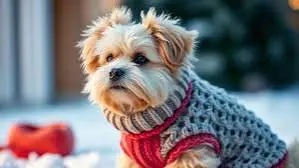
Walk through any park on a cold January morning and you will notice two kinds of dogs. One group trots along happily in thick fur. The other shivers, lifts its paws off the ground and pulls toward home within five minutes. Same weather, very different dogs.
So, do dogs need winter clothes? Some do, many do not, and a few can actually be uncomfortable in a jacket they never needed. This guide helps you work out which group your dog belongs to, what to buy, and how to get a fit that keeps your dog warm instead of stuck in a costume.
Table of Contents
Key Takeaways
- Small, short-haired, lean, hairless, very young and senior dogs lose body heat fast and often benefit from a sweater or coat.
- Large dogs with thick double coats, such as Huskies and Saint Bernards, usually stay warm without extra layers.
- Watch your dog’s behaviour. Shivering, a tightly curled posture and lifted paws are all signs of cold.
- Fit matters as much as warmth. Measure the chest behind the front legs and never buy by size label alone.
- Most dogs do not need clothes indoors, and wet clothing can make a dog colder, so keep a dry spare.
Do Dogs Need Winter Clothes? The Short Answer
Some dogs need winter clothes and many do not. Small, short-haired, lean, hairless, very young and senior dogs lose body heat quickly and often benefit from a coat or sweater. Large dogs with thick double coats usually stay warm on their own and can overheat in extra layers.
Why Some Dogs Feel the Cold More Than Others
A fur coat is not the same as a winter jacket. How well a dog holds heat depends on a handful of things, and breed is only one of them.
- Size. Small dogs have less body mass to hold warmth, and they sit closer to cold ground. Toy breeds such as Chihuahuas are the classic example.
- Coat type. Dogs with short or single coats have little insulation. A dog with a clipped coat can feel the cold as much as a short-haired breed, even if it normally has long fur.
- Body shape. Naturally lean dogs like Greyhounds and Whippets have very little body fat to keep them warm. Short-legged dogs also lose heat quickly because their bellies are close to the ground.
- Age and health. Puppies and older dogs struggle to regulate body temperature. Veterinarians also note that some health conditions that thin the coat can leave a dog feeling cold.
Hairless breeds such as the Chinese Crested and the Xoloitzcuintli have no natural protection at all, so a layer is simply practical for them.
Which Dogs Usually Need Winter Clothes? A Quick Guide
| Dog type | Clothes needed? | Why |
| Toy and small breeds (Chihuahua, Toy Poodle) | Usually yes | Small body, quick heat loss |
| Short-coated dogs (Pug, Boxer, Dachshund) | Usually yes | Thin single coat, little insulation |
| Lean dogs (Greyhound, Whippet) | Yes | Low body fat, short fur; needs a coat cut for their long frame |
| Hairless breeds | Yes | No natural coat |
| Puppies and senior dogs | Often yes | Weaker temperature control |
| Clipped or shaved dogs | Often yes | Lost their natural insulation |
| Short-coated Indian and indie dogs | Often, in cold spells | Many have thin single coats; puppies and seniors feel it most |
| Thick double-coated dogs (Husky, Saint Bernard, Bernese) | Usually no | Natural insulation; may overheat in a jacket |
Treat this as a starting point, not a verdict. Individual dogs vary, and a healthy Labrador that loves the cold may still feel chilly after a wet walk. If you care for an older dog, our senior dog care guide covers comfort and health in more detail.
Signs Your Dog Is Too Cold
Your dog will tell you before any thermometer does. Look for these signals on walks:
- Shivering or trembling.
- Curling up tightly or tucking the tail.
- Lifting paws off the ground or refusing to walk.
- Stopping play, slowing down or pulling back toward home.
- Anxious behaviour, whining or seeking shelter.
If you see these, head indoors. A coat can help, but it does not replace common sense about how long to stay out.
When Dogs Should Skip Winter Clothes
This is the part many shopping guides skip. Dressing a dog who does not need it is not harmless.
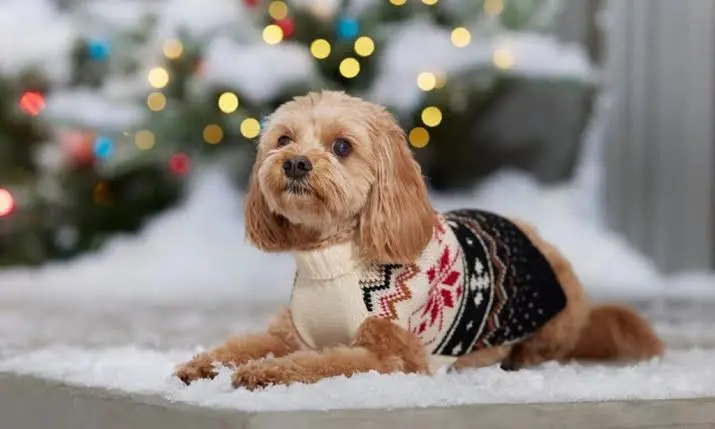
Large, thick-coated dogs can overheat in a heavy jacket, especially during active play. Dogs that stay mostly indoors, with only quick toilet breaks outside, rarely need anything extra. And some dogs simply hate wearing clothes, which is a good enough reason to stop.
Indoors is the other trap. Most dogs do not need clothing inside a warm home and can overheat quickly. Save the sweater for cold rooms or short outings, and take it off when you get back.
Benefits of the Right Winter Clothes for Dogs
- Warmth where it matters. A well-fitted coat covers the chest and back, the areas that lose heat fastest on small dogs.
- Comfort on walks. A dog that is not shivering will usually enjoy and complete the walk.
- Protection from wet weather. A waterproof layer keeps the coat dry, and a dry dog stays warmer.
- Support for vulnerable dogs. Seniors, puppies and thin-coated dogs get an extra margin of comfort.
- Cleaner homes. A sweater can help reduce loose fur indoors and may protect irritated skin from scratching while it heals.
Types of Winter Dog Clothes and When to Use Them
- Knit sweater. Good for dry, cool weather and short outings. Easy to wash.
- Fleece-lined jacket. Better for cold mornings and evening walks. Look for a snug neck and chest.
- Waterproof coat. Best for drizzle and damp air. A wet sweater can make a dog colder, so choose a shell if it is wet outside.
- Hoodie or soft layer. Suits mild cold and cooler days, and works for senior dogs who need gentle warmth.
Choose fabric carefully. Soft, breathable materials with no scratchy seams are best, and our guide to the best fabrics for dog clothes explains what to look for. For more ideas by climate, see our top picks for winter wear for dogs in cold climates.
How to Choose Winter Clothes for Your Dog: Step by Step
- Decide if your dog really needs it. Use the guide above and watch your dog’s behaviour on a cold walk.
- Measure your dog. Measure around the widest part of the chest, just behind the front legs. Also note the neck size and the length from collar to base of the tail. Use a soft tape.
- Match the size to your dog, not the label. Long-bodied dogs like Whippets and Dachshunds often need coats made for their proportions, because standard sizes may not fit.
- Choose the right type. Pick a sweater for dry cold and a waterproof coat for wet weather.
- Check the fit. The garment should be snug, not tight. Your dog must be able to walk, sit, lie down and go to the toilet freely, with no rubbing at the legs or neck.
- Introduce it slowly. Let your dog sniff the coat first, reward calm behaviour, then put it on for a few minutes at a time before wearing it outside.
- Keep a dry spare and wash regularly. Rotate coats so your dog always wears a dry one, and wash according to the label.
Safety Rules for Dog Clothes
- Never leave a dog unsupervised in clothing, because even a comfortable dog can get tangled.
- Remove clothes indoors unless the room is genuinely cold.
- Use only clothes made for dogs. Homemade or human clothing often restricts movement.
- Check the skin under the garment now and then for rubbing or redness.
Do Dogs Need Winter Clothes in Indian Winters?
Most advice online is written for snowy climates, and that skews the picture. Indian winters are different. Daytime can be mild, but early mornings and late evenings in the north can turn properly cold, and many homes have no heating at all.
That mix is exactly where small and short-coated dogs struggle. They are fine in afternoon sun, then shivering on a dawn walk. A light layer for the morning and evening outing, taken off once you are back home, is usually all that is needed.
Indie dogs deserve a mention too. Many have thin single coats, and puppies and seniors in particular feel the cold. If you look after a street dog or an adopted indie, a dry, warm sleeping spot matters even more than a coat.
Winter Clothes Are Only One Part of Cold-Weather Care
A coat will not fix a bad walking setup or a cold bed. Pair it with a comfortable collar, a sturdy leash and a warm spot to sleep. Our list of the best dog accessories for winter walks covers the essentials, and our guide to premium dog mats helps you pick a warm, comfortable resting spot at home.
If your dog is small, the best accessories for small dogs is worth a read. For coat and paw care through the season, see our winter dog grooming tips. Food matters in cold weather too, so read what to feed your dog in winter.
Frequently Asked Questions
No. Small, short-haired, lean, hairless, young and senior dogs often need them, while thick double-coated large dogs usually do not. Your dog’s behaviour on cold walks is the best guide.
There is no single number, because breed, size, coat and age all change the answer. A Chihuahua may need a layer long before a Husky does. If your dog shivers or slows down, it is too cold for that dog.
Usually not. Most dogs can overheat in a warm home, so keep clothing for cold rooms and outdoor walks. If the house is truly chilly, a light sweater for a small or senior dog can help, as long as you supervise.
Look for tight curling, shivering and seeking warm spots. Give your dog a thick, comfortable mat or bed away from drafts and cold floors before reaching for clothing. Our guide to keeping your dog comfortable on cold nights has more ideas.
It is better not to. Use coats for walks and outdoor time, then take them off at home to prevent overheating and skin irritation. Check the skin underneath regularly.
Conclusion: So, Do Dogs Need Winter Clothes?
The honest answer to whether dogs need winter clothes is that it depends on the dog. Small, thin-coated, lean, young and older dogs often need a layer, while thick-coated large dogs usually do not. Watch your dog, measure properly and pick a fit that lets your dog move freely.
Keep it simple. Dress the dogs that feel the cold, leave the others in their fur, and take clothes off indoors. Add a warm mat and a good collar and leash, and your dog will enjoy winter walks.